


|
|
|
|
by Yvette Depaepe
Published the 24th of March 2026
Cami Marculescu aims to encourage people to see wildlife and nature in a new light. She wants people to see with eyes of wonder and compassion, so that they realize deep down that we are all the same: humans, animals and birds. Her noble purpose is to encourage people to think twice before endangering species. To preserve what we have for future generations. Enjoy her beautiful work and find out more about this talented nature photographer.
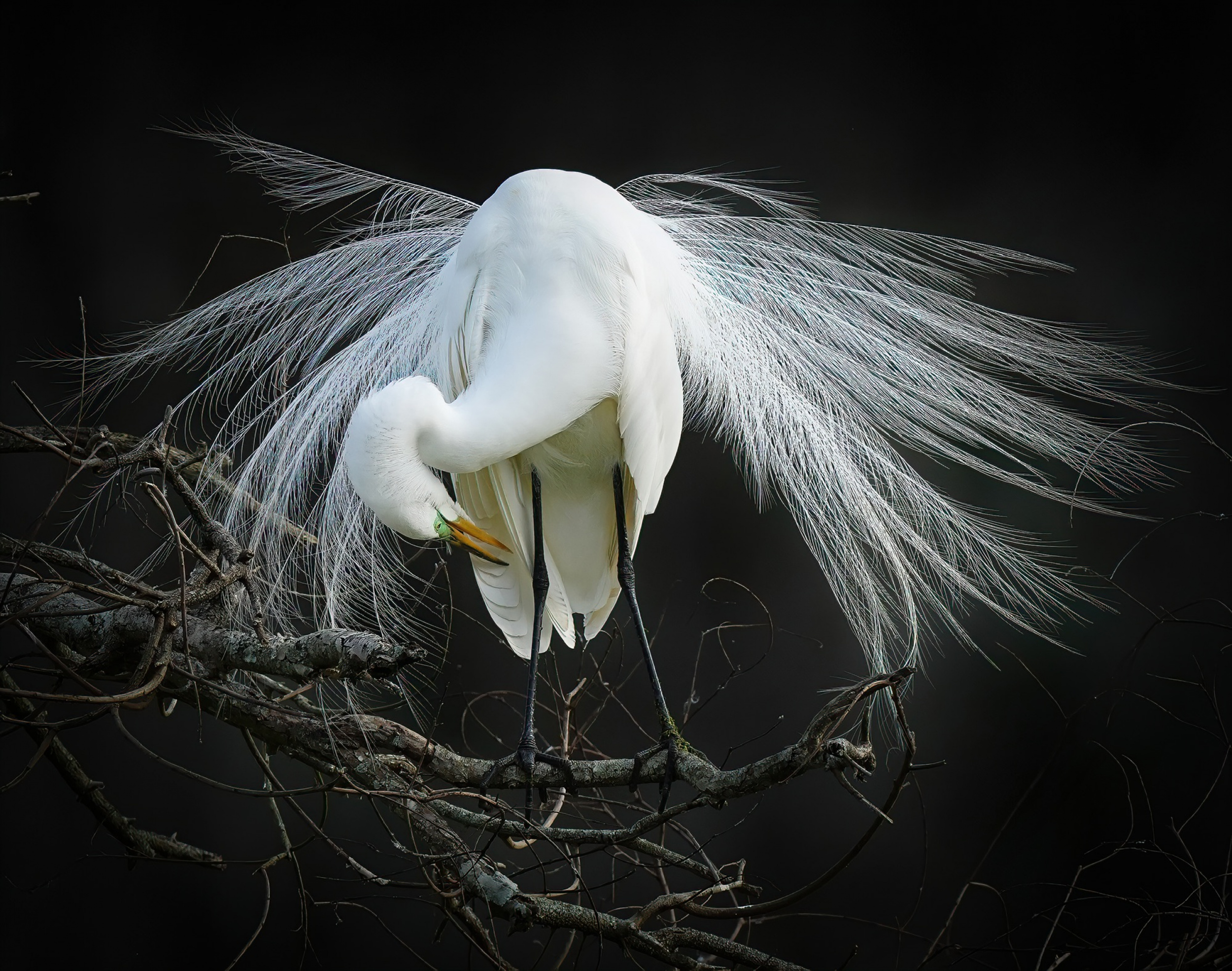
‘Elegance’
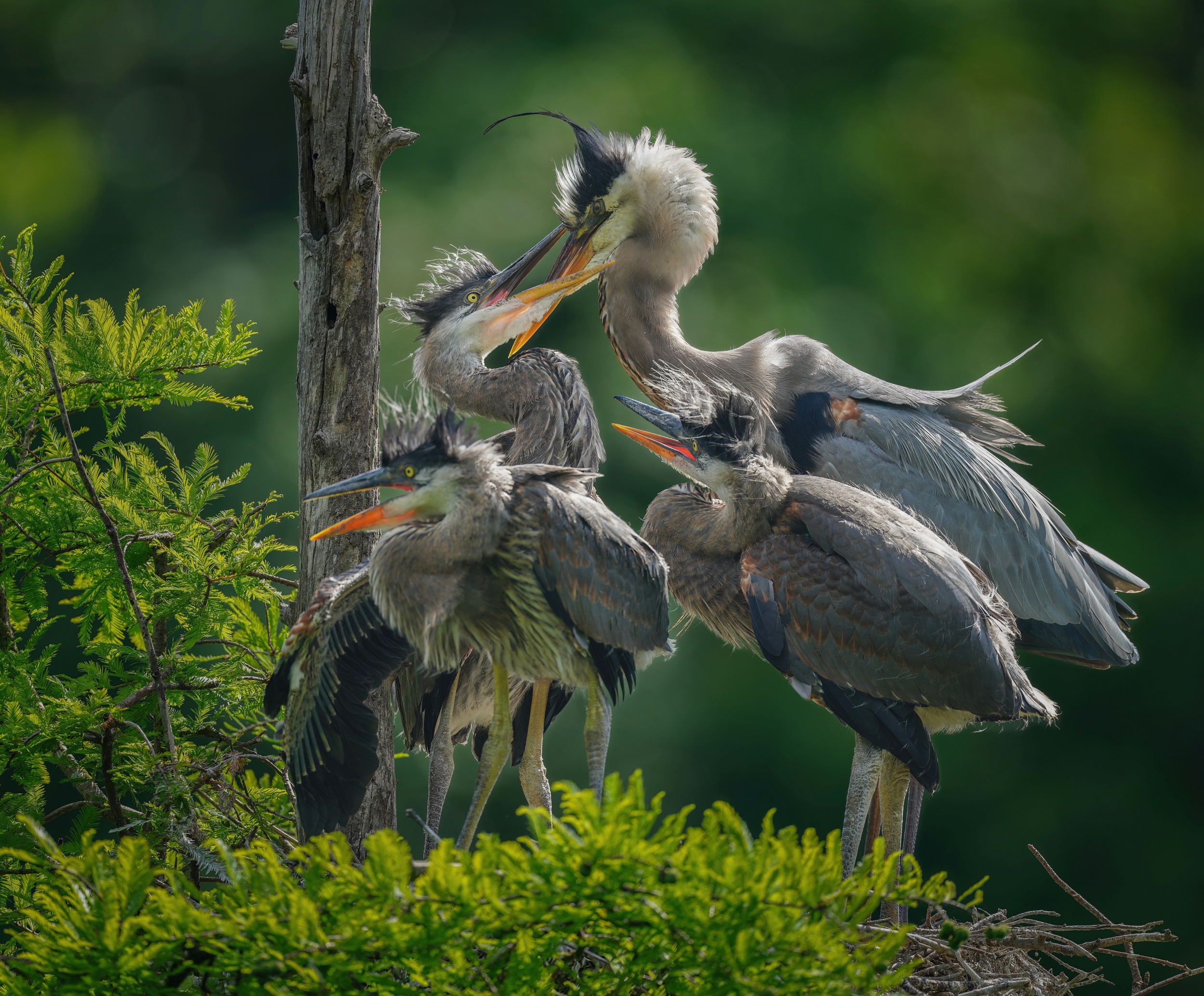 'My babies'
Dear Cami, when and how did you start your journey in photography?
I began my photographic journey in 2017 by taking the iPhone Photo Academy course. As a lifelong nature and wildlife enthusiast, I was captivated by what I learned on the course, from basic composition rules to ways of conveying a powerful story to the viewer. I was determined to take better pictures of our magical nature and wildlife.
However, I soon realized that iPhones have limitations, no matter how good the photographer's eye is. Soon after, I bought my first camera and 300 mm lens and began my journey as a wildlife photographer. I was fortunate to learn from the best: Tin Man Lee, whose wildlife photography course I took during the pandemic.
My passion for capturing bird behavior grew and grew, as I strove to convey a story and emotion to the viewer — just as I experienced it in the field.
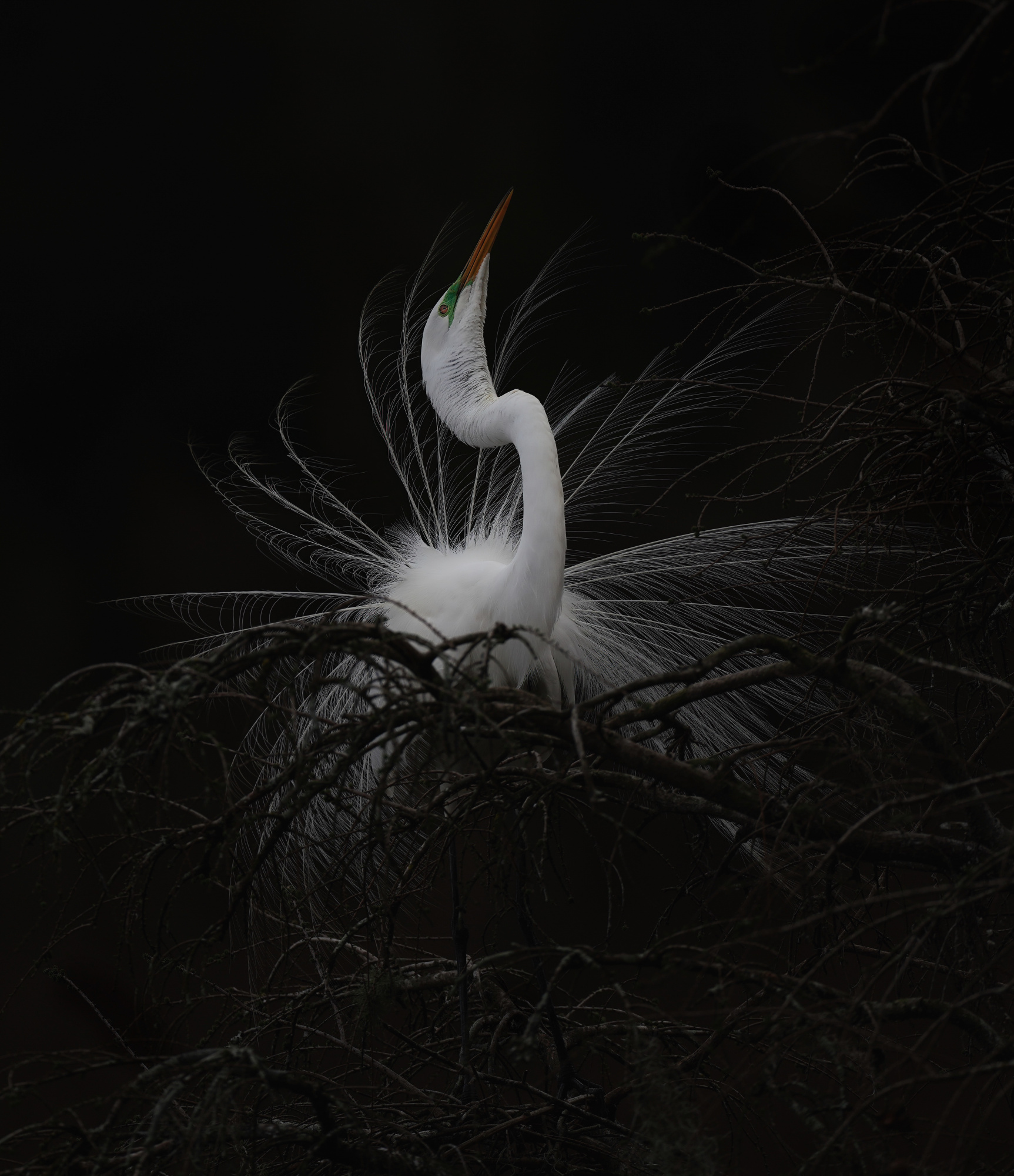
‘Elegance in white’
For many of us photography is either a hobby or a way of life. How would you define your relationship with photography?
I am a busy physician. Photography is a hobby, a meditation in nature, and a way of seeing the world with different eyes. I find it fascinating.
Which experience has influenced your approach to photography the most so far?
There is one thing I will never forget: the first time I looked into an owlet’s eyes. The feeling I had then is difficult to put into words, but essentially it was this: we are one with nature, one with every living soul. Time stood still. I felt a deep appreciation for all living things. I felt lucky to be the soul able to experience something so powerful.
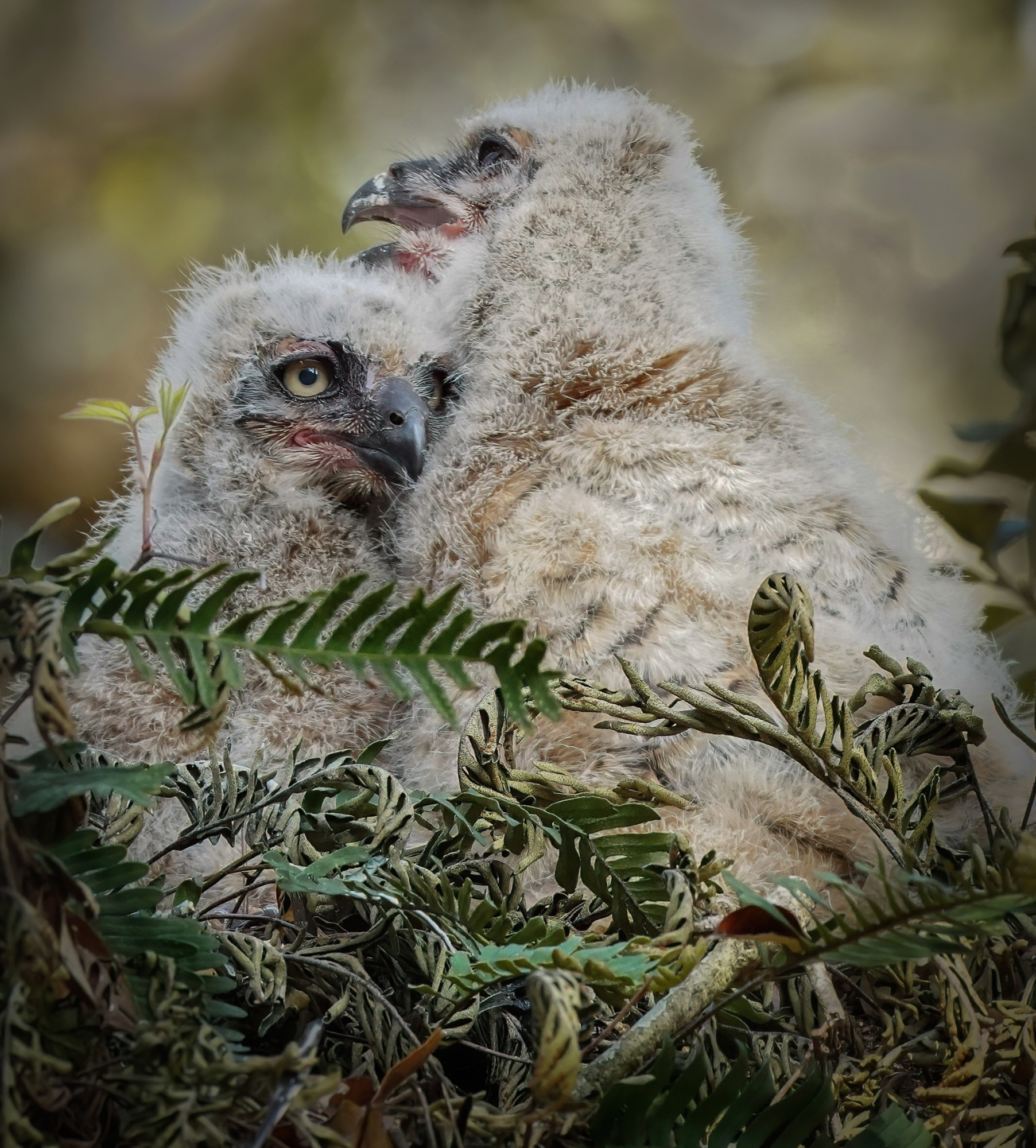
‘Brotherly love’
What draws you to wildlife photography, particularly bird photography?
I am fortunate to live in South Carolina, where I am surrounded by a great diversity of wildlife, particularly birds. There is a small pond near my house where I can see several species of birds. It was there that I took my photographs during the pandemic.
Then, of course, there's Magnolia Gardens and the Audubon Swamp in Charleston, which are amazing places for bird photography. I have had the opportunity to observe fascinating bird behavior, such as courtship, emotions, raising their young and interacting with each other.
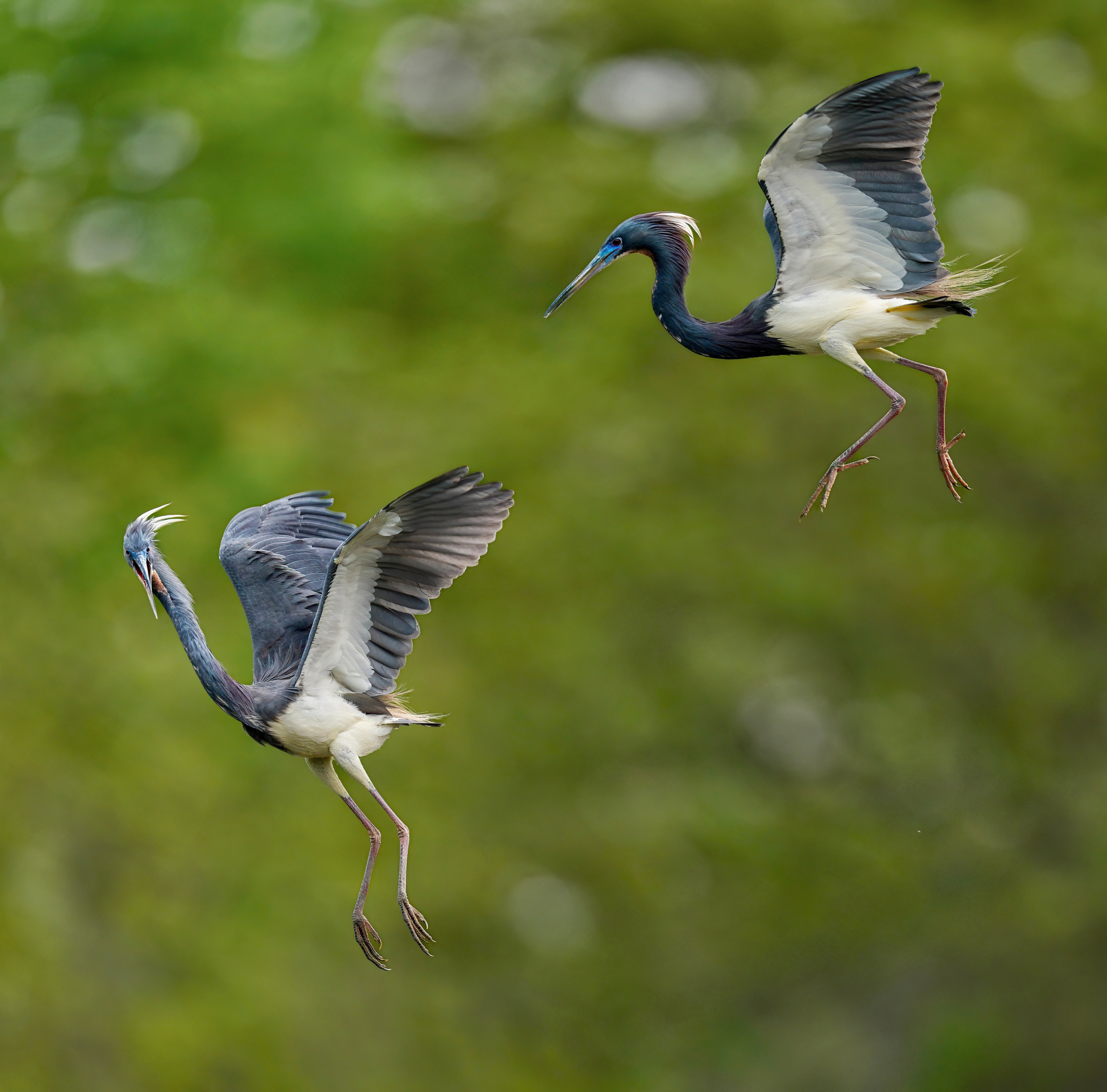
‘The chase’
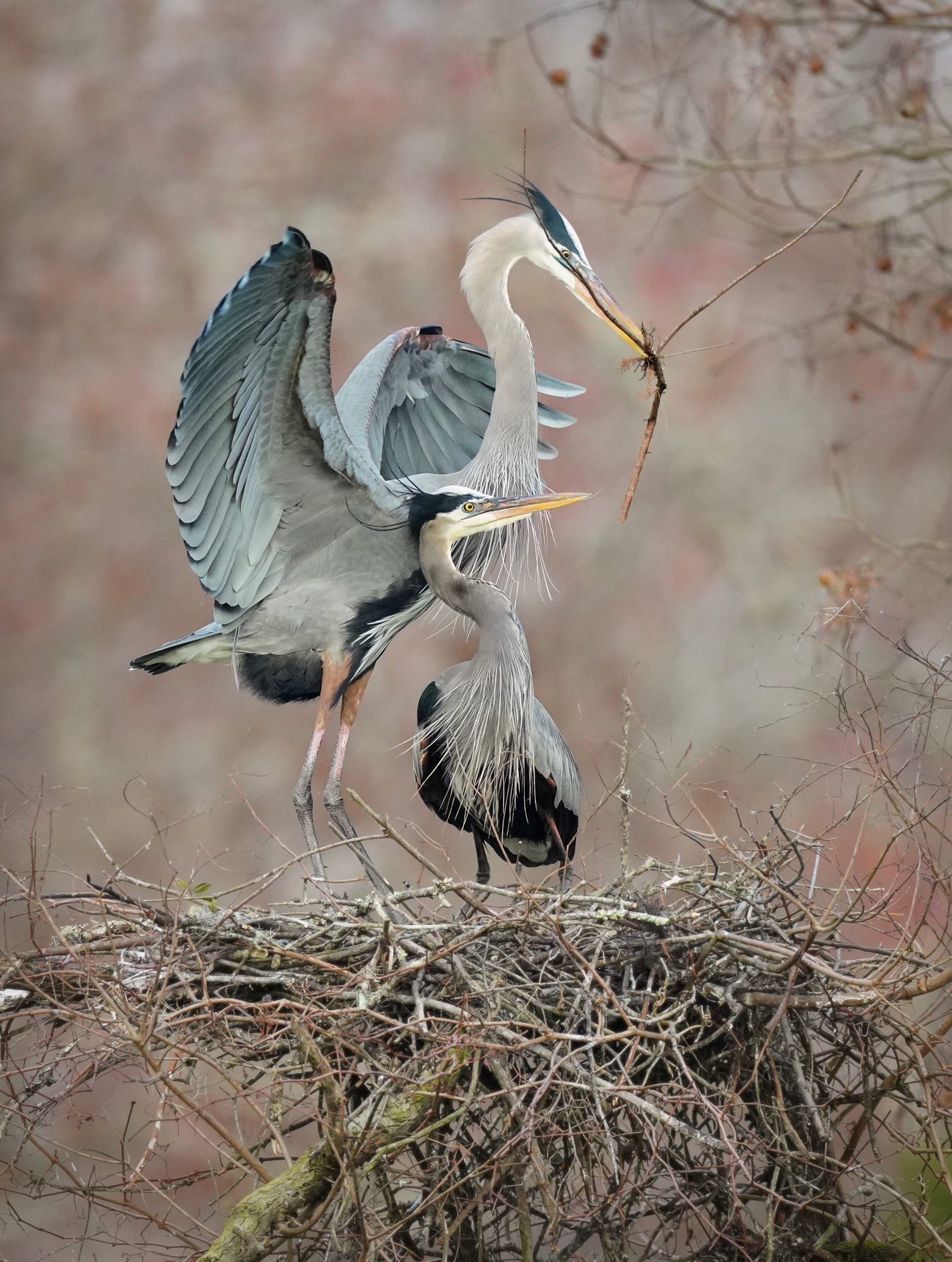
‘Building a home together’
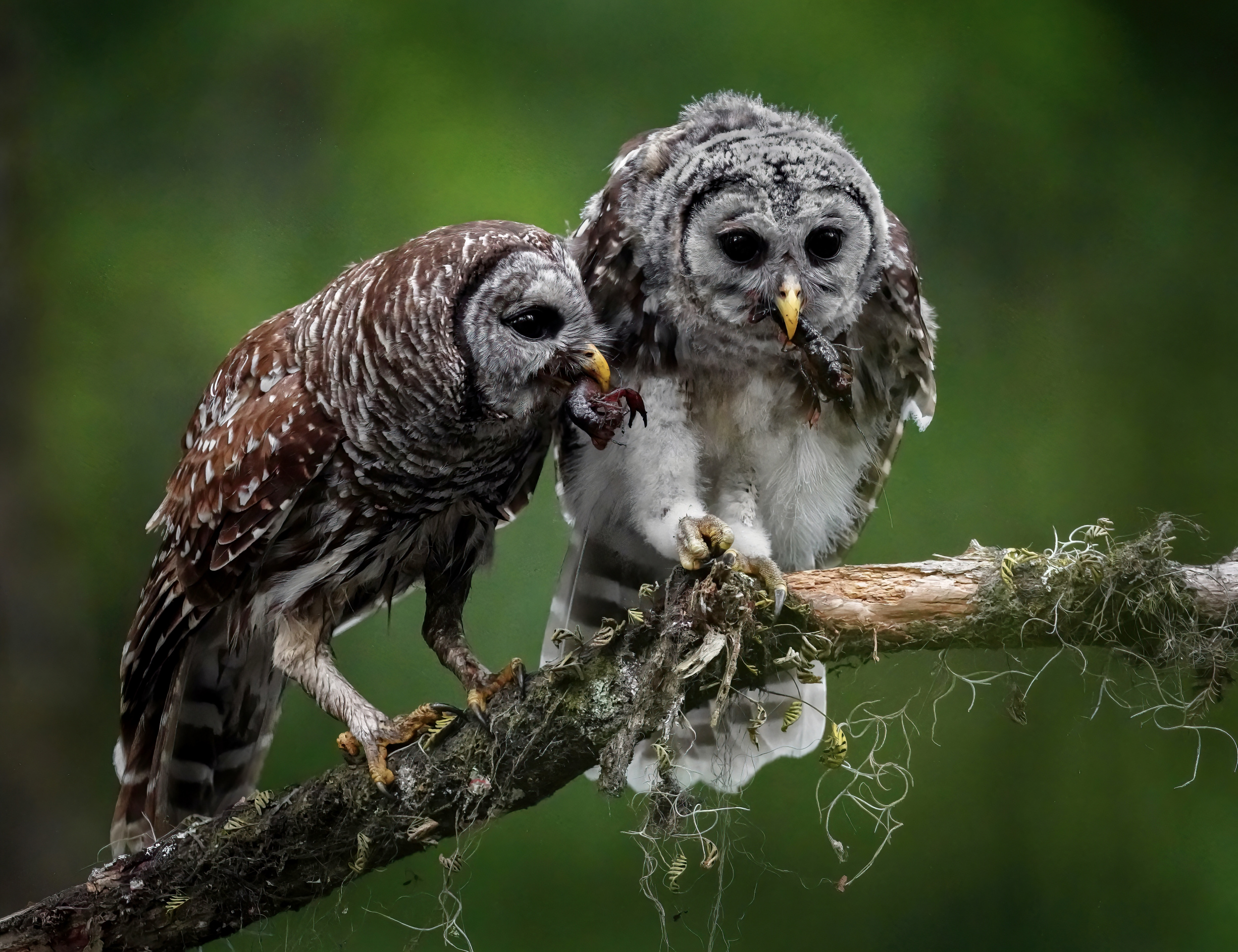
‘Double snack’
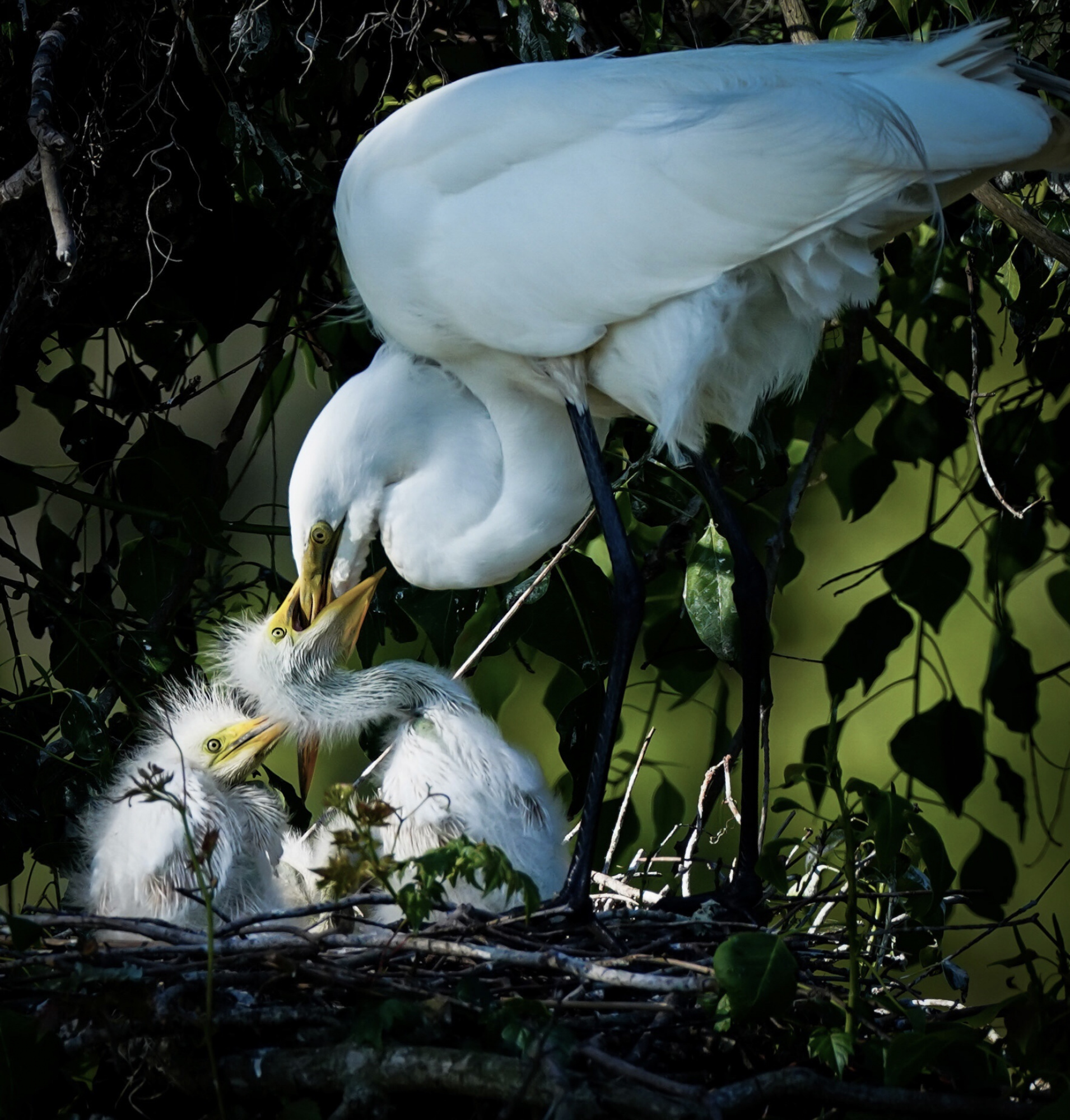
‘A mother’s love’
Which is more important to you: the mood and story behind your images or technical perfection?
Although I always aim for sharpness and good composition, the most important thing for me is conveying emotion and a story to the viewer. I believe that wildlife has a soul, and I try to capture that essence in my work.
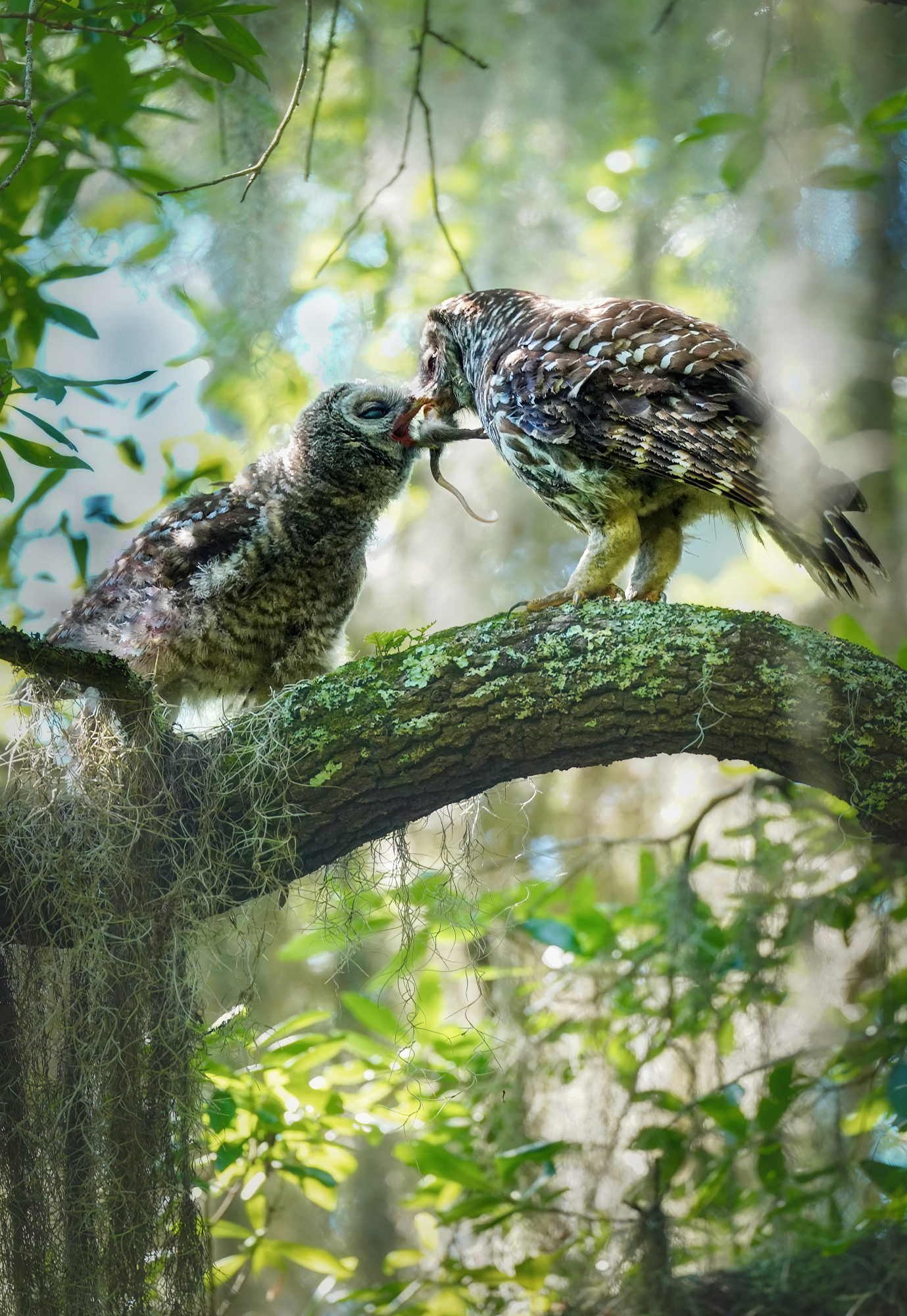
‘Intimate Moments'
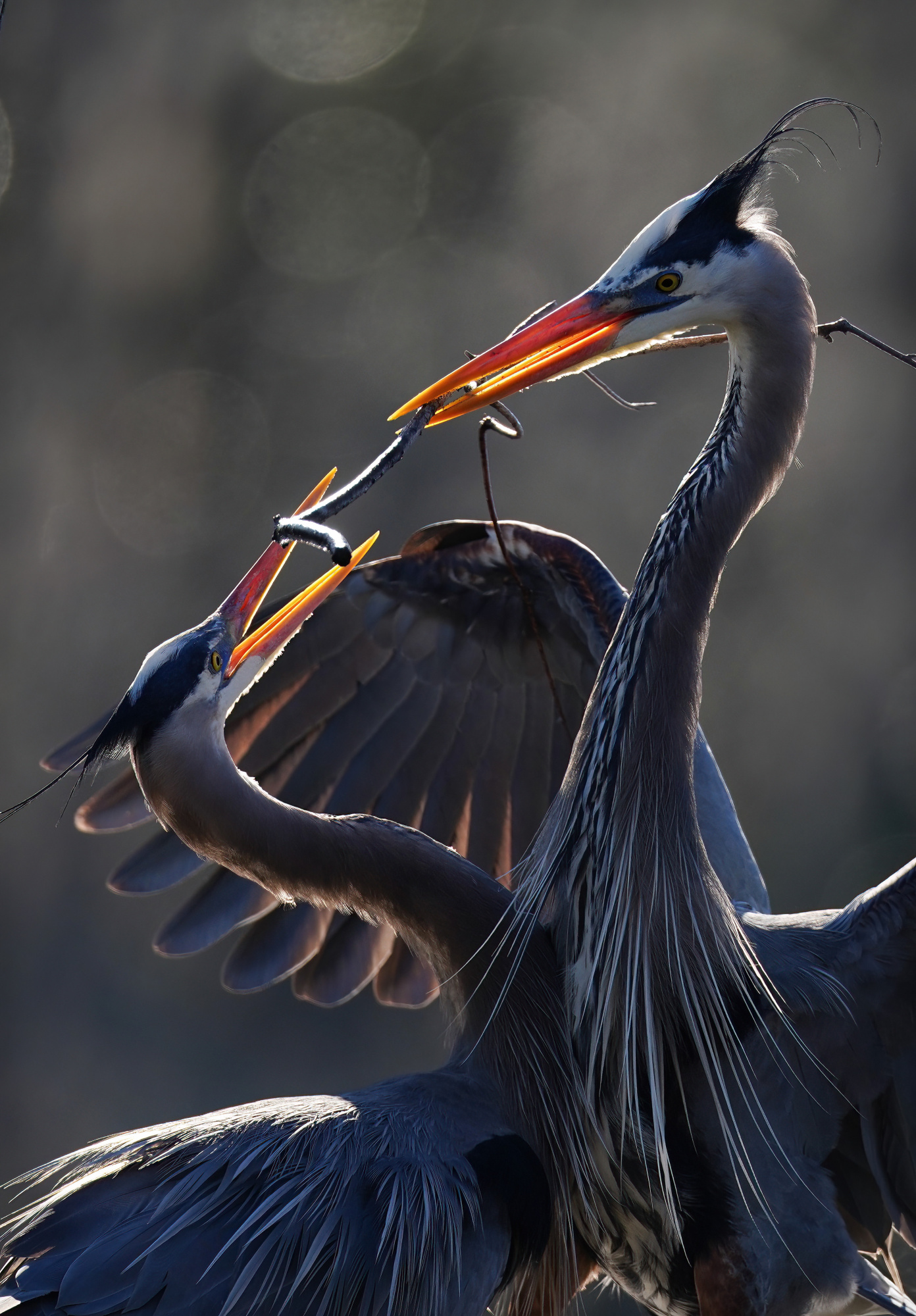
‘Tag of love’
What is your relationship with your subject matter beyond simply observing it?
I have a deep connection with birds, especially owls. I respect all wildlife and practice ethical photography. As a child, I always helped injured animals, and I still do today.
Through my photography, which sometimes includes images of conservation efforts, I aim to raise awareness of the dangers that human behavior can pose to wildlife and endangered species. I also capture humorous moments that might make the viewer smile. Perhaps we recognize ourselves in them?
Do you prepare carefully the locations where you intend to photograph?
I have a few favorite places and I always consider the light, composition and background. I try to position myself at eye level. Occasionally, I travel abroad with my 600 mm lens. I have fond memories of taking photos at Lake Wanaka in New Zealand.
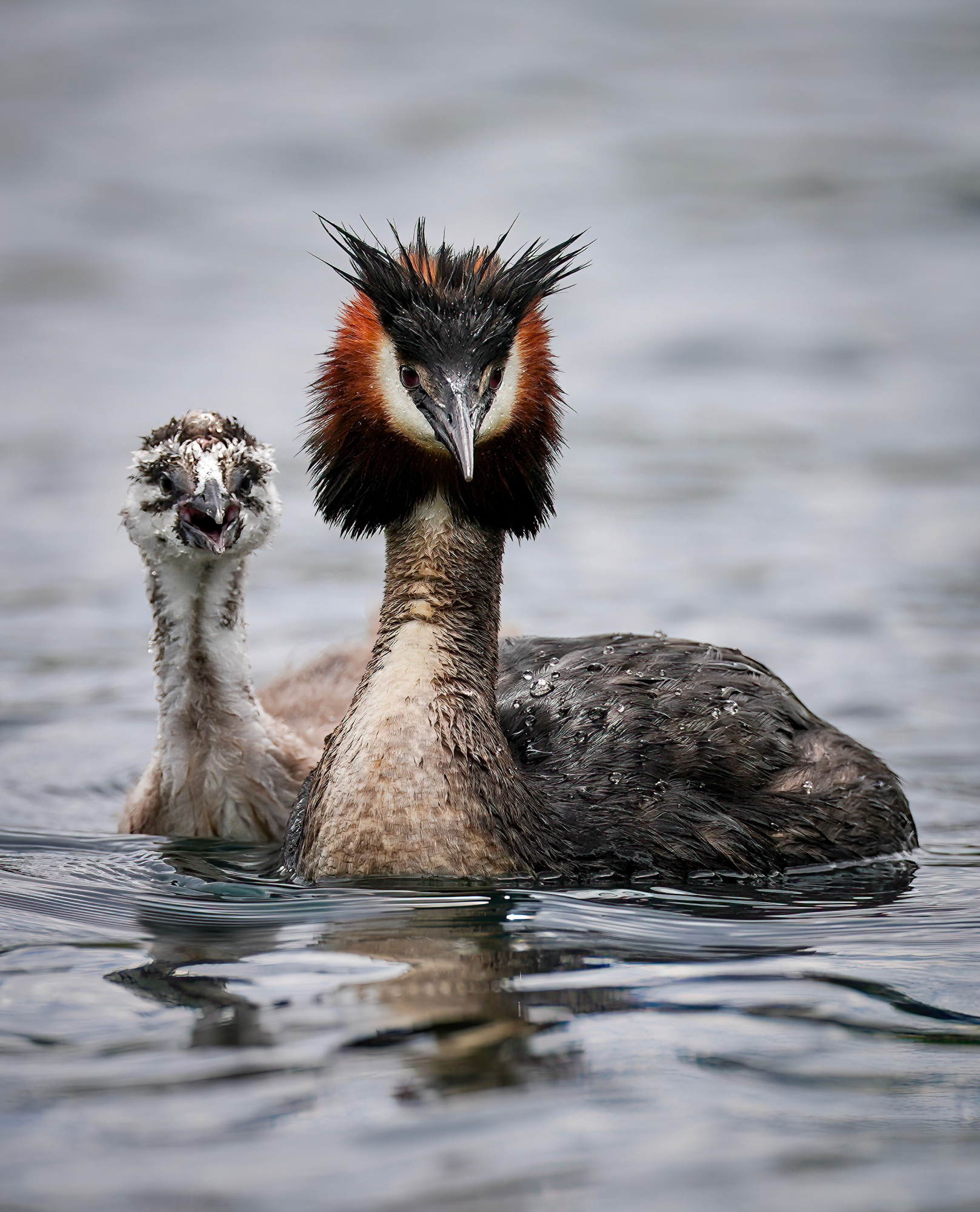
‘Australasian crested grebe with chick'
Describe your overall photographic vision.
To make people see wildlife and nature differently. With eyes of wonder. With compassion. To realize that, deep down, we are all the same: humans, animals and birds. To encourage people to pause before endangering species. To preserve what we have for future generations.
What characteristics do you think are essential for a wildlife photographer to be successful?
I believe it stems from a true love of nature and wildlife. I asked myself why I am so drawn to photographers such as Federico Veronesi, Andy Parkinson and Tin Man Lee. It's because, beyond their technique and eye for composition, their photography exudes passion and love for wildlife.
One can be technically perfect in every way and still lacks the ability to convey emotion. I will always strive to convey emotion and a story to the viewer. Wildlife photography also requires patience, as well as the ability to capture what you saw in your mind long before you got the shot, after taking lots of "failed" images.
Could you tell us more about your creative process, from initial idea to finished product?
It’s quite simple. I shoot in RAW and do some basic editing using the Lightroom Mobile app on my iPhone. I then transfer the image to the big screen of my laptop to carefully review and edit it for sharpness, composition and noise before publishing.
What is the source of your inspiration, and what is it that inspires you the most?
Everything around me. Beauty is everywhere. Some of my most highly awarded images were shot right in my backyard. I just need to pause and observe to truly be in the present moment.
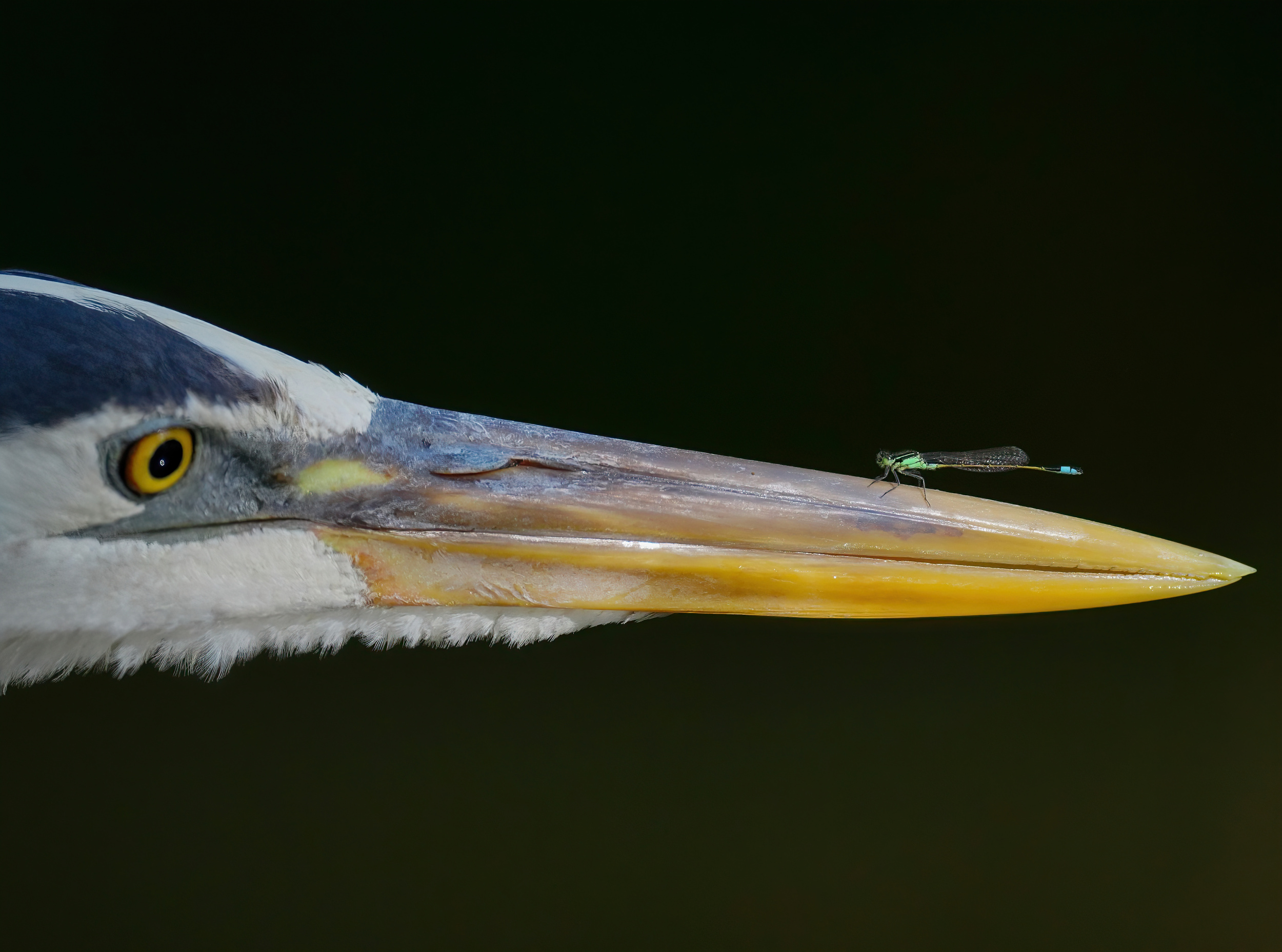
‘Eye to eye’
Many people believe that gear is not very important when passion is strong. Could you please tell us what gear you use?
I use a Sony A7R IV and a Sony f 4 600 mm lens, which I have been using for several years. I do not use a tripod for wildlife photography, nor do I use flash or any artificial lighting.
What would be your favorite photo? Please tell us the story behind it.
I have a few favourite images, but one that is more recent comes to mind. It shows a mother barred owl reaching out to her owlet with a crawfish. I was fortunate enough to witness the tenderness and care between them, which seemed almost cinematic.
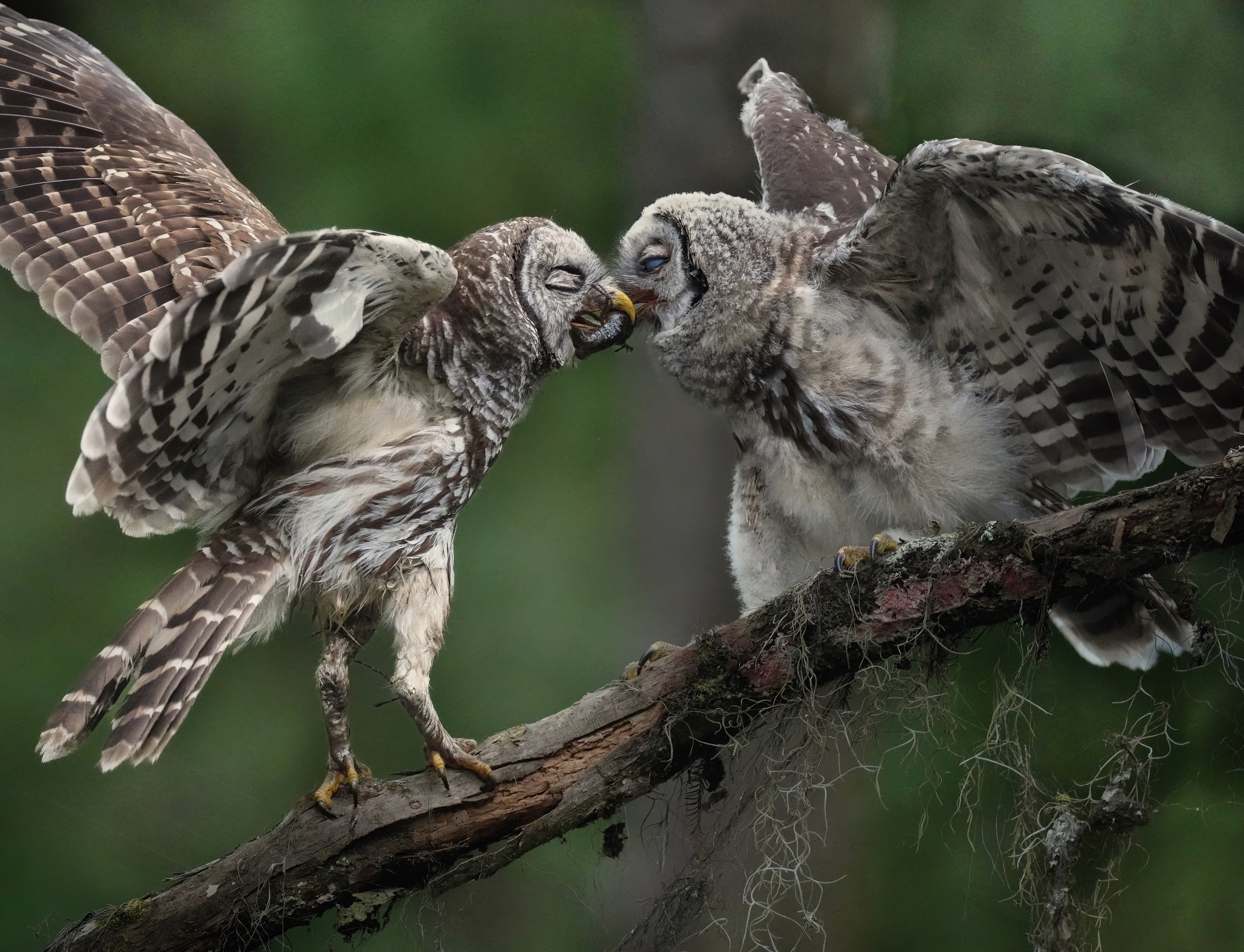
‘The gift’
Who are your favorite photographers or mentors whose work has influenced you, and why?
To name a few: Tin Man Lee, Andy Parkinson, and Federico Veronesi.
As we approach the end of this interview, could you tell us about any photographic projects you'd like to work on?
I plan to explore more conservation projects in the near future.
Is there anything else you would like to add? What are your thoughts on using 1X as a home base for your work?
I find 1X to be an amazing platform where you can view a wide range of carefully and rigorously curated images from all genres. The feedback that the curators provide is invaluable, and viewing other images is deeply inspiring.
I am grateful for this opportunity, including the interview and the curators' expertise, all of which have helped me grow as a photographer.
Thank you so much.
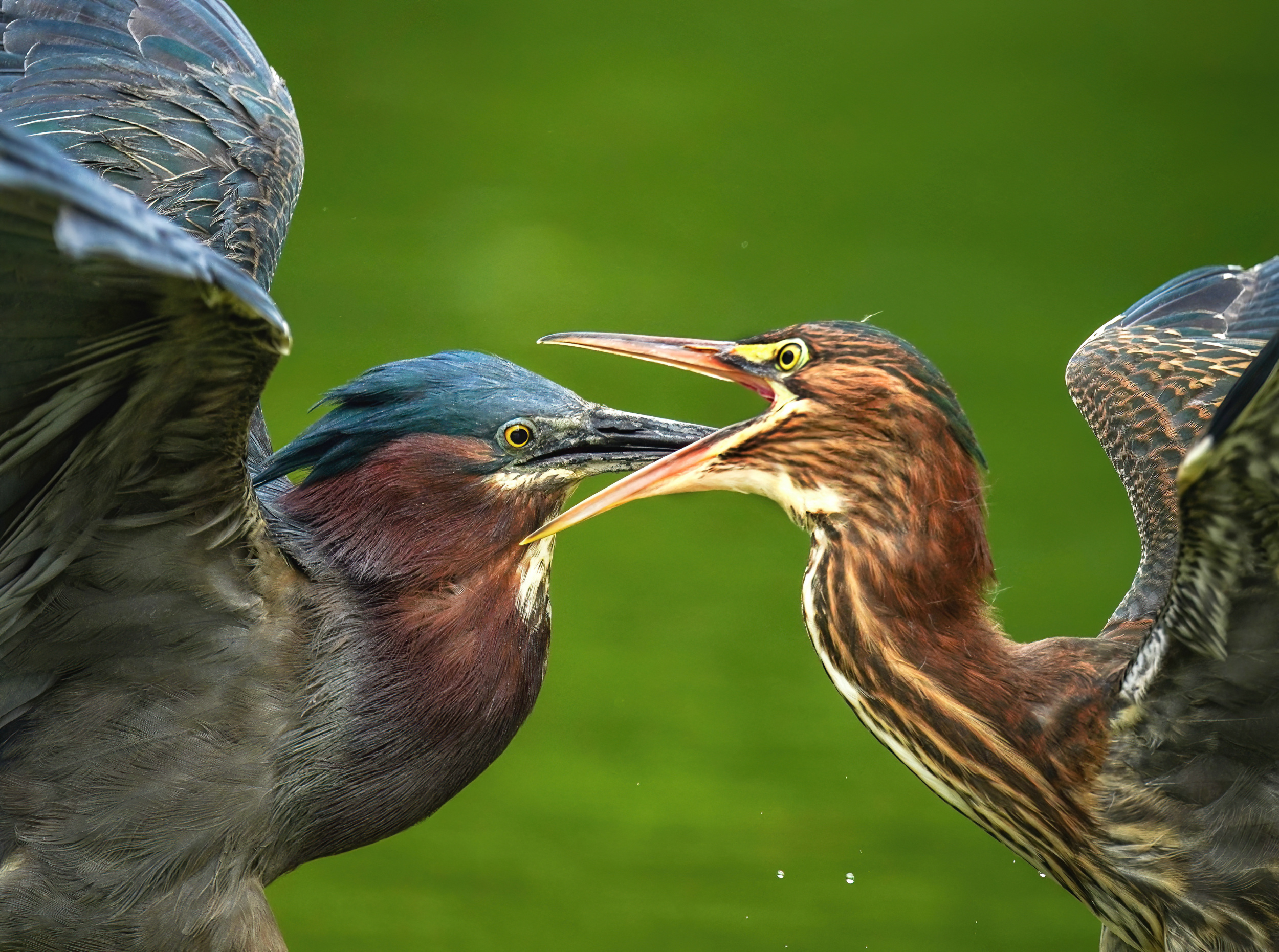
‘Green heron love’
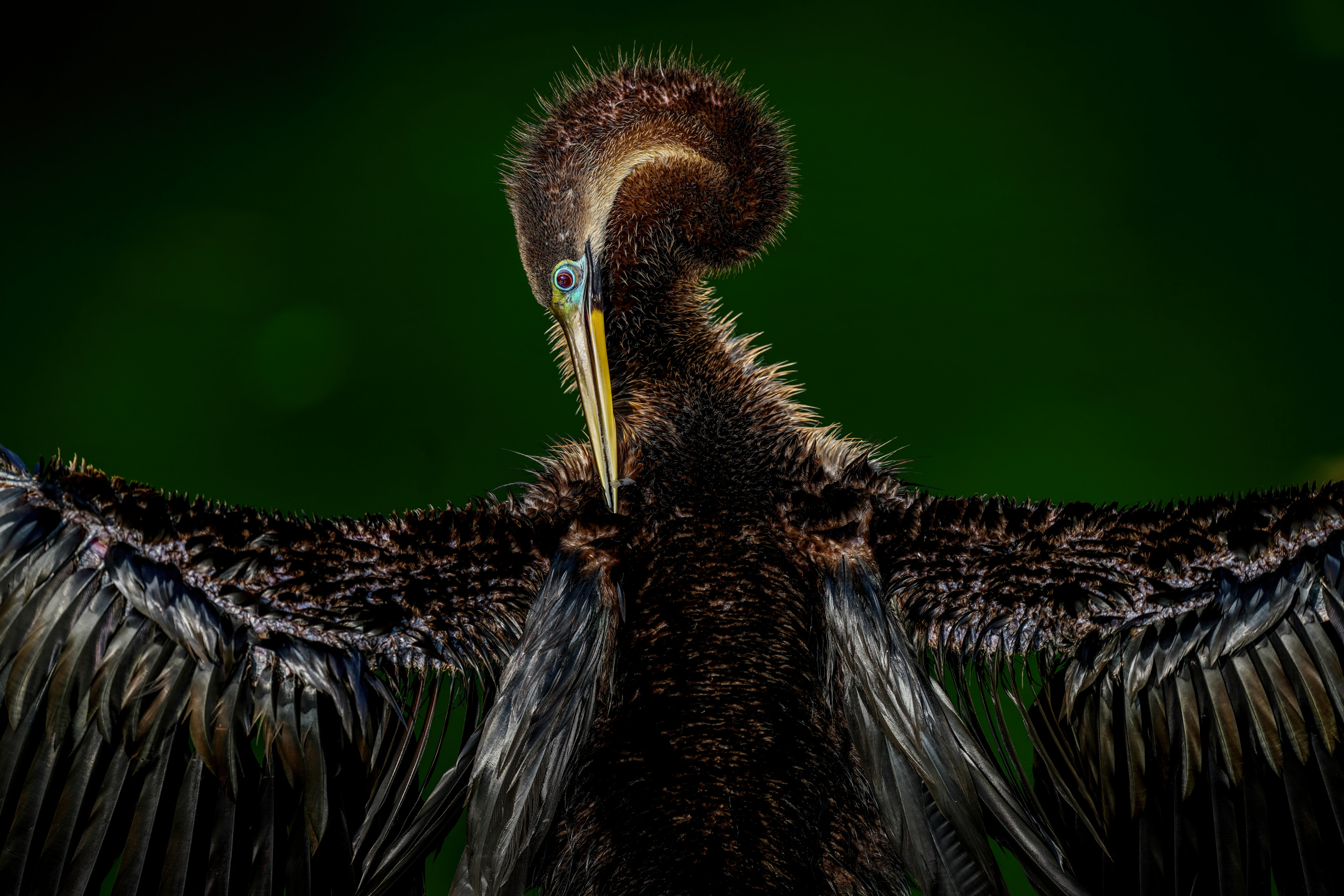
‘Anhinga’
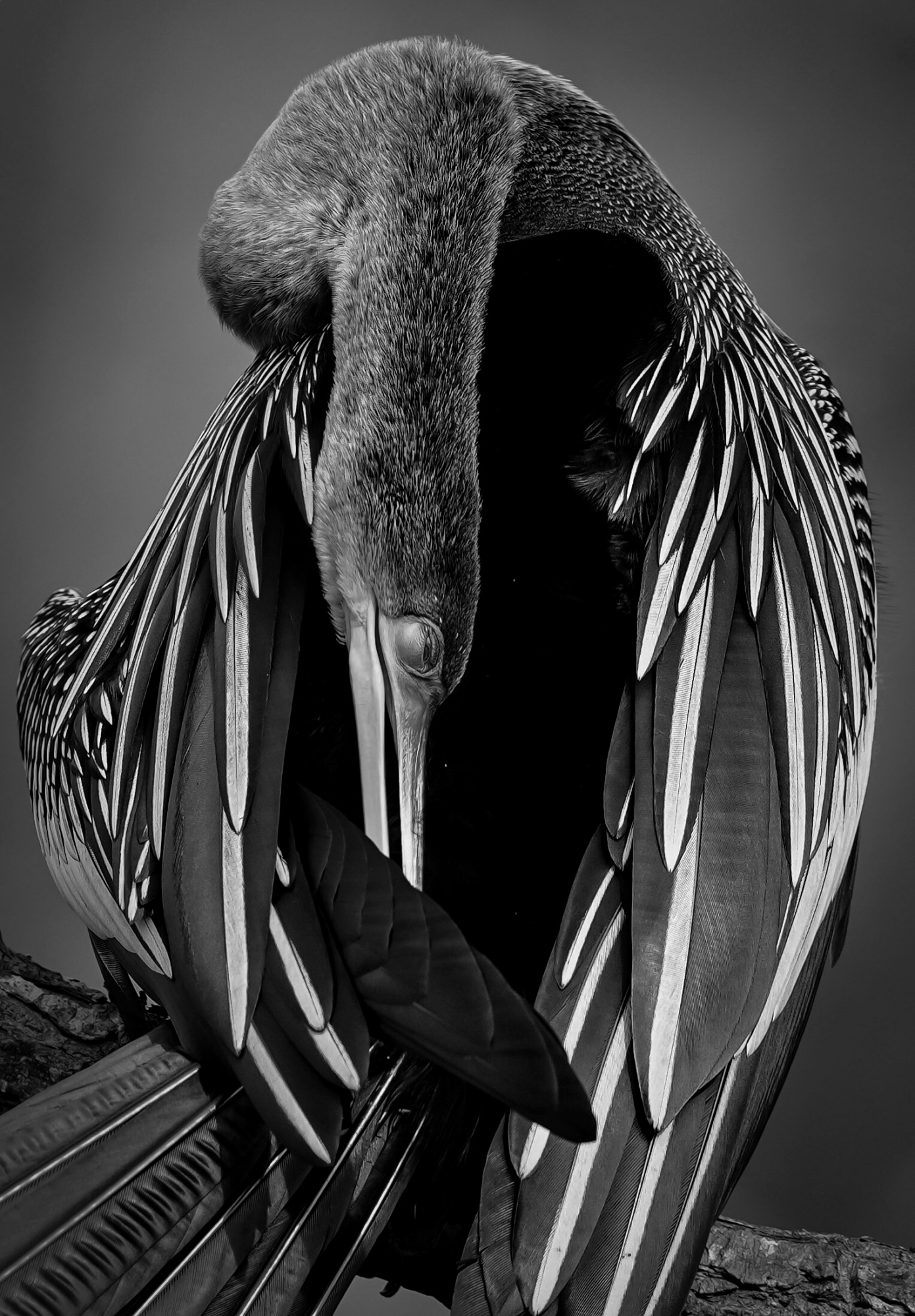
‘Anhinga’
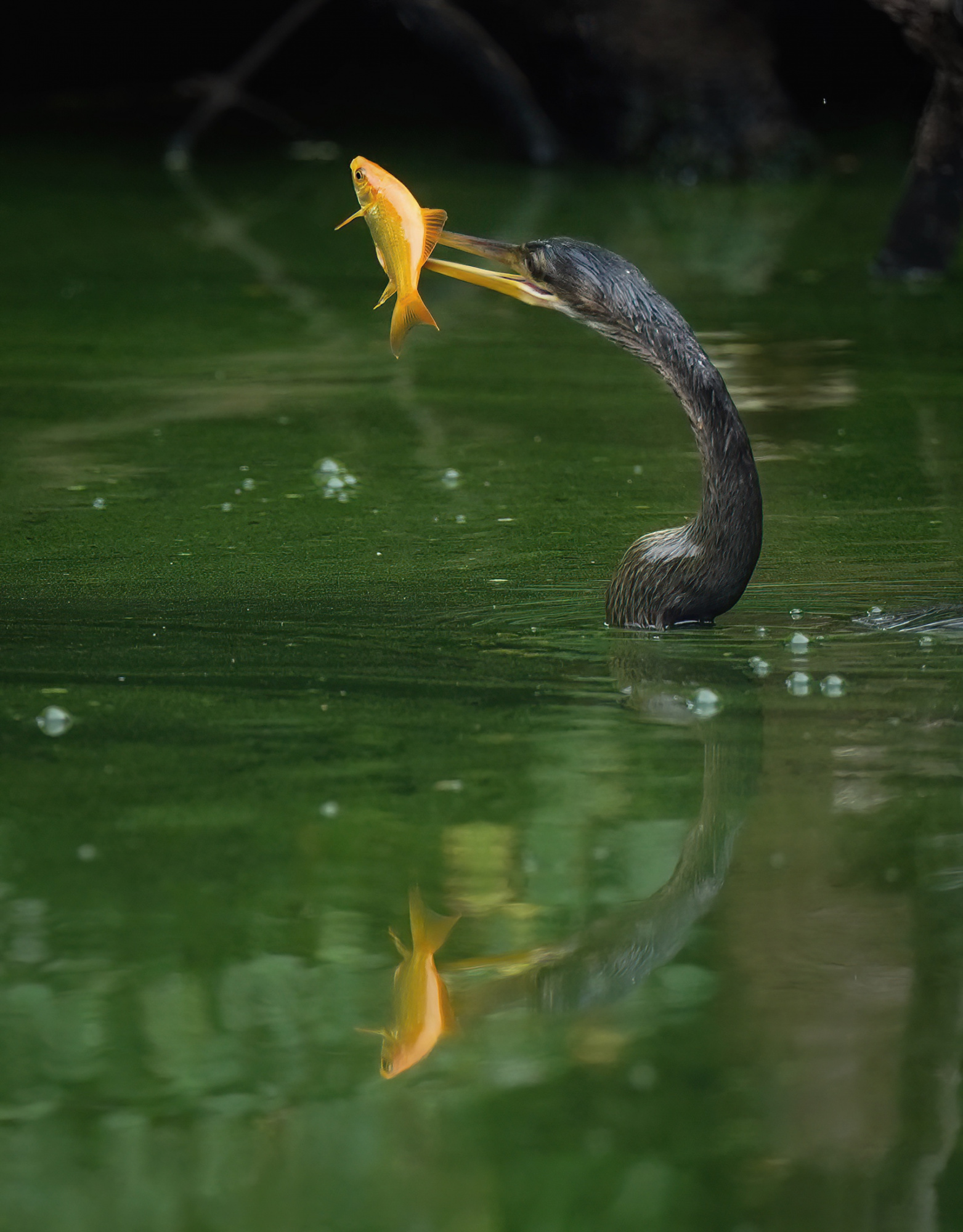
‘The golden catch’
 | Write |
 | yein PRO It's really great to have wild animals in nature, especially birds. Thanks to you, I saw some impressive pictures of good interviews. Congratulations on your interview
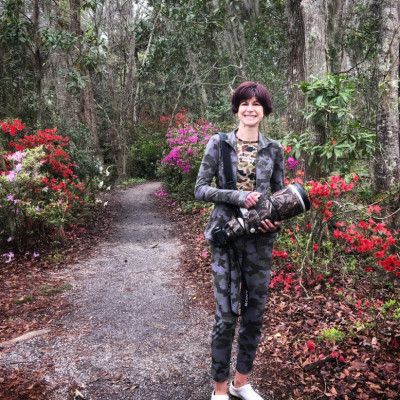
Cami Marculescu, photographer |
 | joanaduenas PRO Wonderful images, congratulations for this impressive and near heart images, I see they are coming from your soul!!! |
 | Cami Marculescu PRO thanks so much |
 | Gila Koller PRO Beautiful gallery with amazing photos!! Congrats!! |
| Cami Marculescu PRO many thanks |
 | Rachel Pansky PRO beautiful, outstanding,wonderful images.Congrats. |
| Cami Marculescu PRO Thanks very much |
 | Ineke Mighorst PRO What a beauty. I love your images. |
| Cami Marculescu PRO Thanks so much |
 | NicoletaPiscoi PRO Spectacular |
| Cami Marculescu PRO many Thanks |
 | Sunil Kulkarni PRO Just Awesome! love all of the images - outstanding - Congrats Cami, keep it up. |
| Cami Marculescu PRO thanks so much |
 | Jostein Elmar Seljehaug PRO Wonderful, fantastic, amazing, and outstanding images. What more can I say! Congratulations! |
| Cami Marculescu PRO Many thanks , much appreciated |
 | DonnaHom APA PRO |
| | DonnaHom APA PRO What a great collection of birds on two generation. The dragonfly landed on the bill of the great lie egret is amazing. |
| Cami Marculescu PRO Thanks so much |
 | Caroline Bomers A beautiful and impressive collection: all images tell stories and express emotions. Congratulations, dear Cami! Thanks also to Yvette. |
 | Yvette Depaepe CREW My pleasure, Caroline! |
| Cami Marculescu PRO Thank you very much |
 | Fred Bisschop PRO I like this approach of wildlife photography very much. It shows animals with their behaviour. A bird is not just a beautiful object sitting on a branch but a living animal. Beautiful work! |
| Cami Marculescu PRO Indeed, thank you |
 | Allan Wallberg PRO Many beautiful and fine nature pictures of the birds. |
| Cami Marculescu PRO Thank you |
 | Qin Zhang PRO Very beautiful collection! |
| Cami Marculescu PRO thank you |
 | Andreas Agazzi PRO Such an impressive collection, bravo for this great work! |
| Cami Marculescu PRO many thanks |
 | Eiji Yamamoto PRO Dear Cami, thank you so much for this wonderful interview with great photos! Dear Yvette, thank you so much as always! It's very inspiring! |
| Yvette Depaepe CREW Thanks for your appreciation, Eiji! |
| Cami Marculescu PRO thanks a lot |
 | David Manusevich PRO Very beautiful gallery |
| Yvette Depaepe CREW Thanks for your appreciation, David! |
| Cami Marculescu PRO many thanks |
 | Massimo Strumia PRO Beatiful gallery, congrats! |
| Cami Marculescu PRO Thanks a lot |
 | Jois Domont ( J.L.G.) PRO Great work and great pictures. Congratulations! |
| Cami Marculescu PRO Thanks a lot |
 | Mallal Moshe PRO Excellent |
| Cami Marculescu PRO Thanks a lot |
 | Jane Lyons CREW Cami, your work is wonderful. I so identify with looking through a lens into an owlets eyes as being life changing. Thank you for reminding me. Thanks Yvette. |
| Yvette Depaepe CREW I agree with Jane ... That scene looking into the owlets eyes must have been life changing indeed. |
| Cami Marculescu PRO Indeed , many thanks for the comment and shared experience |
 | Anita Singh Absolutely stunning images and wonderful interview, the connection between subject and photographer is palpable, congratulations dear Cami and wish you more success. Thanks Yuvette for showcasing such an brilliant photographer. |
| Yvette Depaepe CREW My plaisure, dear Anita! |
| Cami Marculescu PRO Thanks so much, I am deeply grateful to Yvette Depaepe for showcasing my work and giving me the opportunity to share my vision and my voice. Thanks so much for your comment. |