

|
|
|
|
by Editor Jane Lyons
Edited and published by Yvette Depaepe, the 6th of November 2026
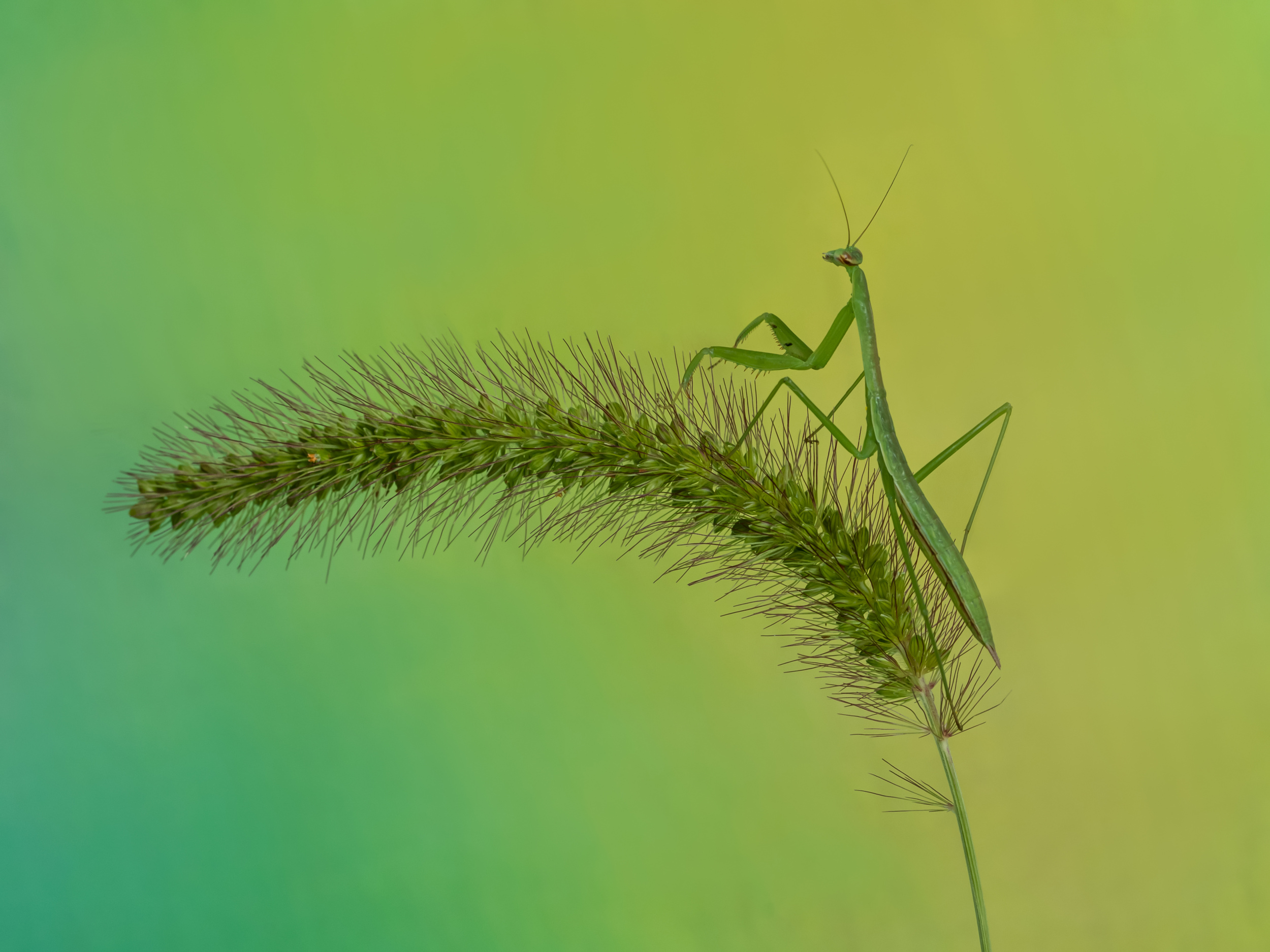
“Take a Rest” by Wendy Xu
The praying mantis must be the headline performer of the insect world.
With its heart-shaped face, wide-set eyes and a smile that looks suspiciously mischievous, it seems like it is born for the camera. Add to that the grace of a ballerina, the agility of an acrobat, and a flair for dramatic poses, and it's easy to see why macro photographers find these extraordinary little creatures so irresistible.
Mantises have been around for more than 135 million years. Today, there are over 2,400 known species, many of which have such remarkable shapes and disguises that they hardly seem real. But behind those charming faces are some rather surprising characters.
The name 'praying mantis' comes from that familiar pose, with the front legs folded together as though in prayer. Peaceful looking? Certainly. But those same legs are built for catching prey.
And the disguises! Some look like leaves, twigs, or even flowers. They can blend into their surroundings so effectively that you could be looking right at one and never realize.
Then there's the head turn. A mantis can swivel its head dramatically, as if it knows exactly where the camera is. It has five eyes — two large compound eyes and three tiny simple ones — and the ability to judge distance in three dimensions. Some mantises also have a single hearing organ on the underside of their thoraxes, which is useful for detecting high-frequency sounds.
Their love lives are not always romantic. A female may occasionally eat her mate, although this is far from inevitable. While some species can fly, others prefer to pose on a stem or flower. For many, life lasts only six to twelve months. A short life, perhaps, but quite a performance.
What makes mantises such irresistible photographic subjects is not just their appearance. It is their attitude. One seems to challenge the photographer to a duel, while another looks ready to take a bow. Some appear to dance. Others stand perfectly still, as if waiting for applause.
Of course, it is us who read personality into these poses. But that is part of the magic of photography: an insect becomes a character, and a brief encounter becomes a little story.
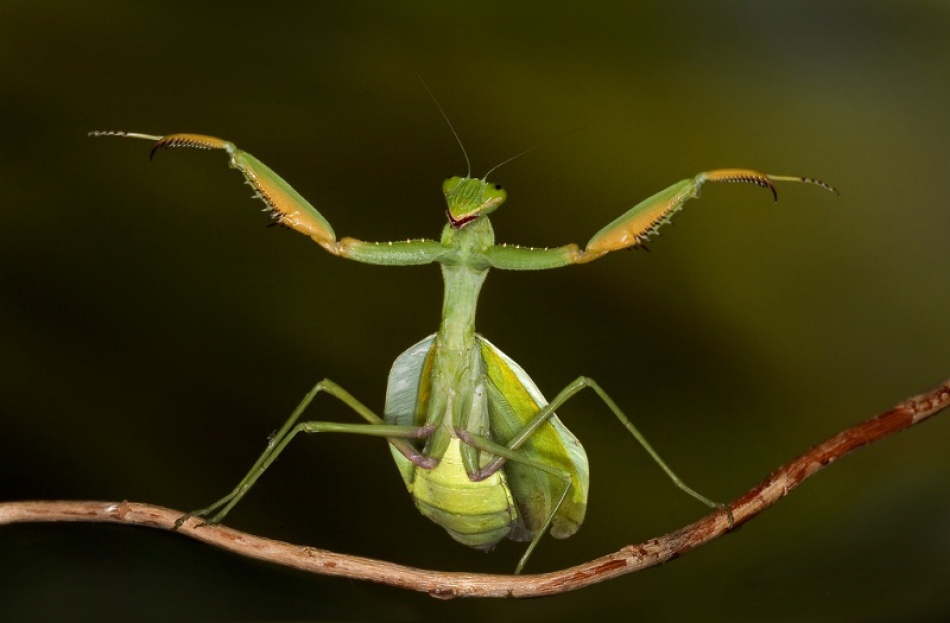
“Mantis director” by Joan Safont
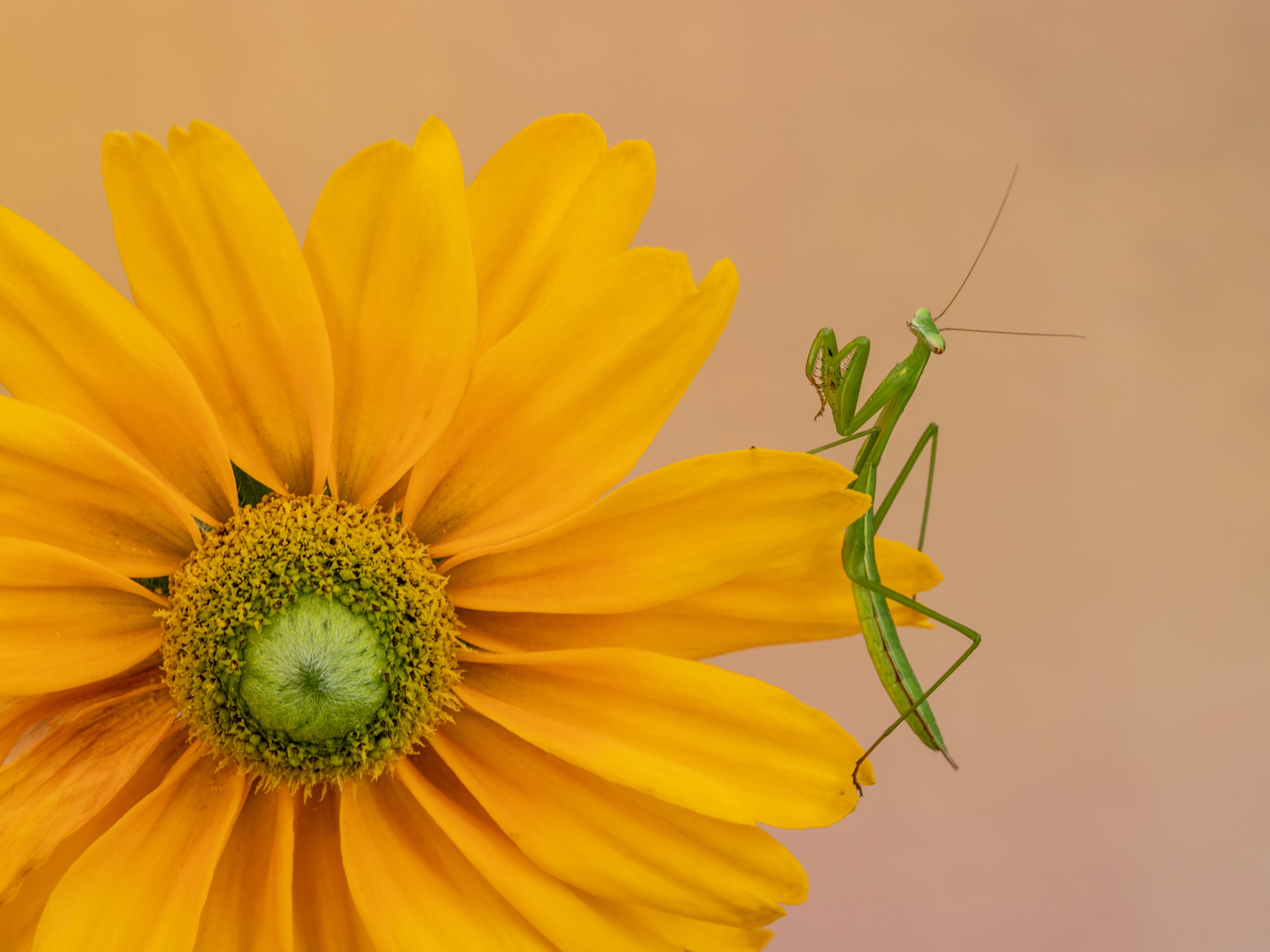
“Mantis and Rudbekia Prairie Sun” by Wendy Xu
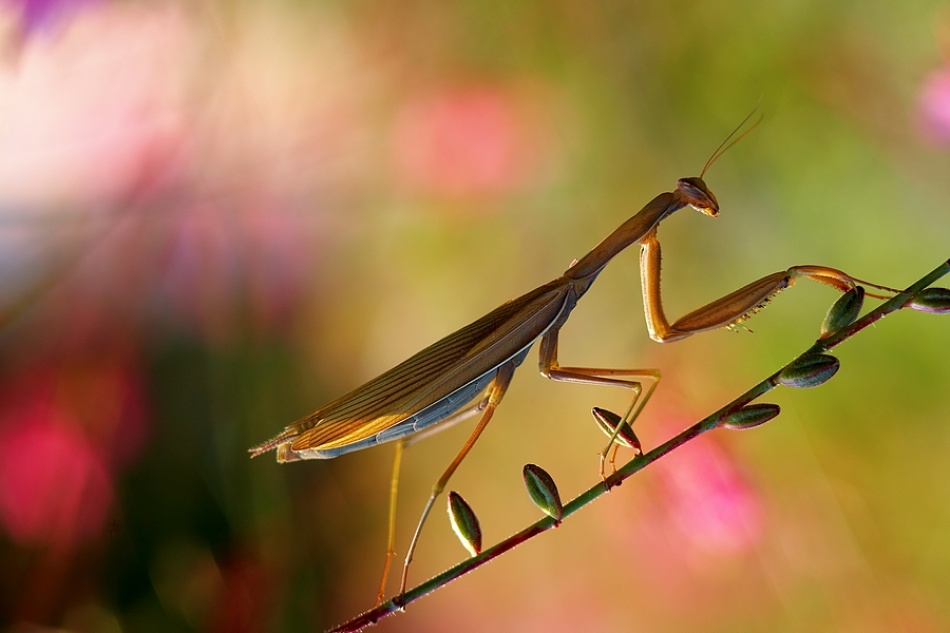
“Praying Mantis on a stalk” by Louis Despres
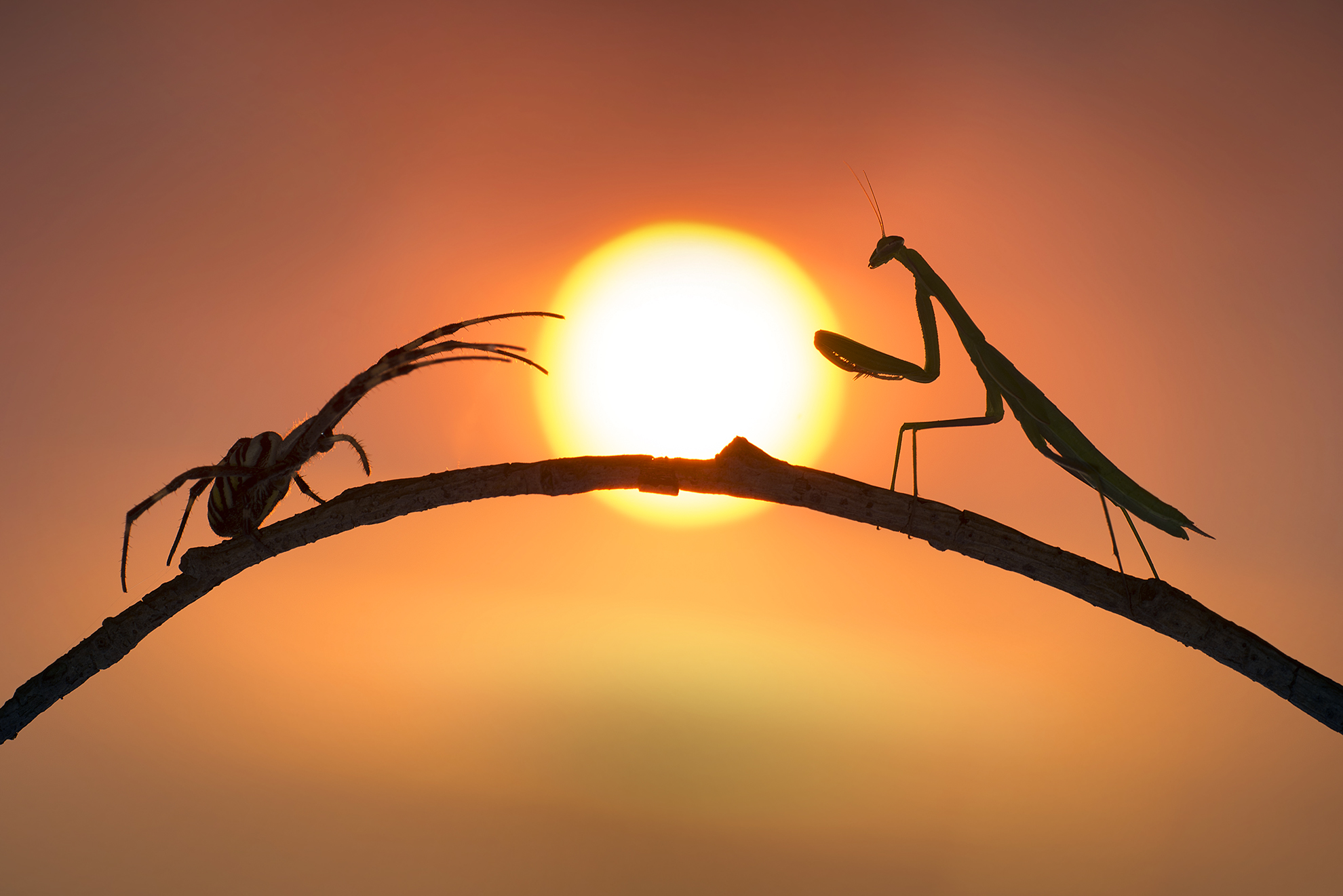
“Sfida All’ Alba” by Roberto Aldrovandi
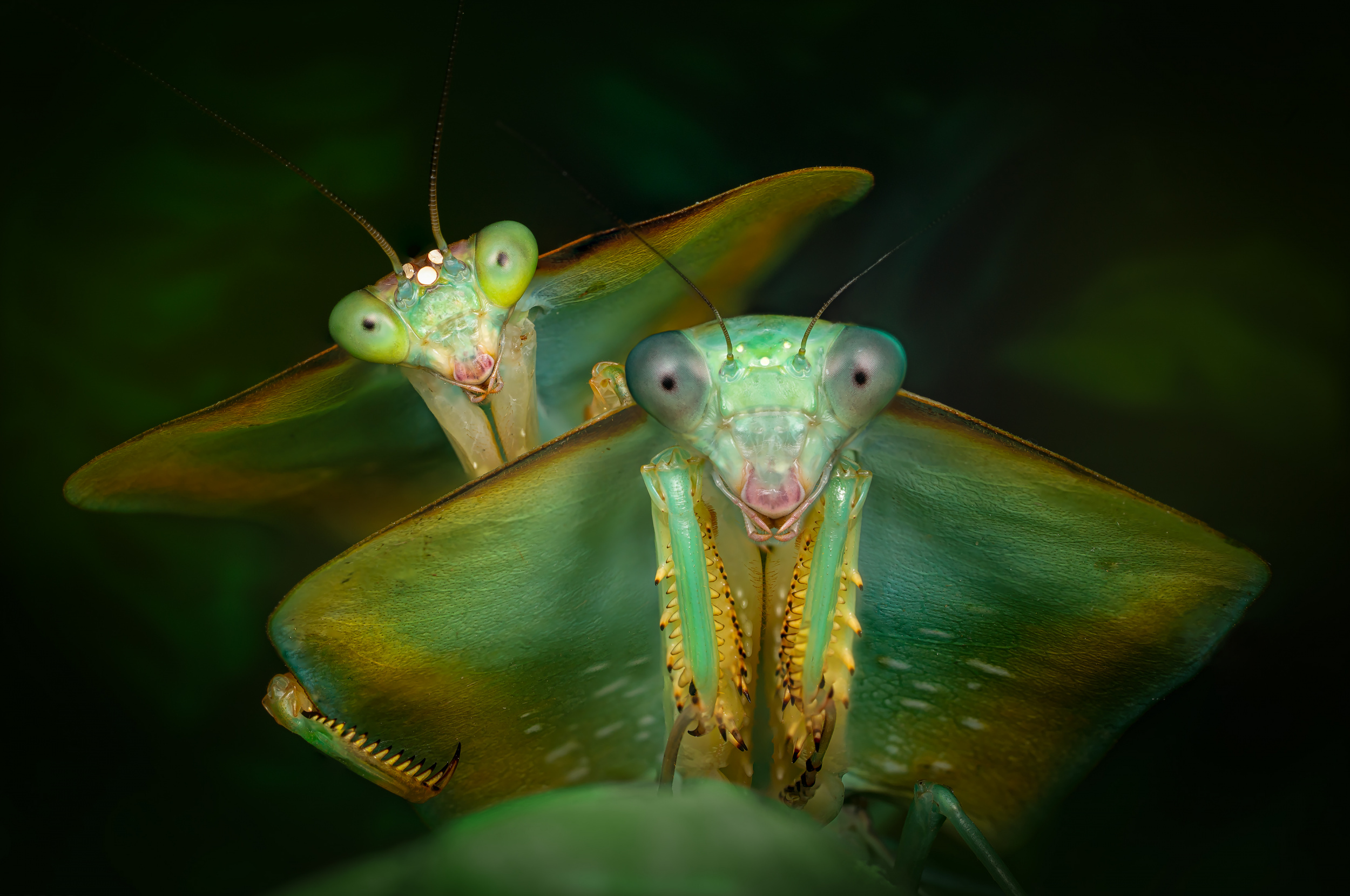
“Watcha’ Lookin At” by Liza Rock
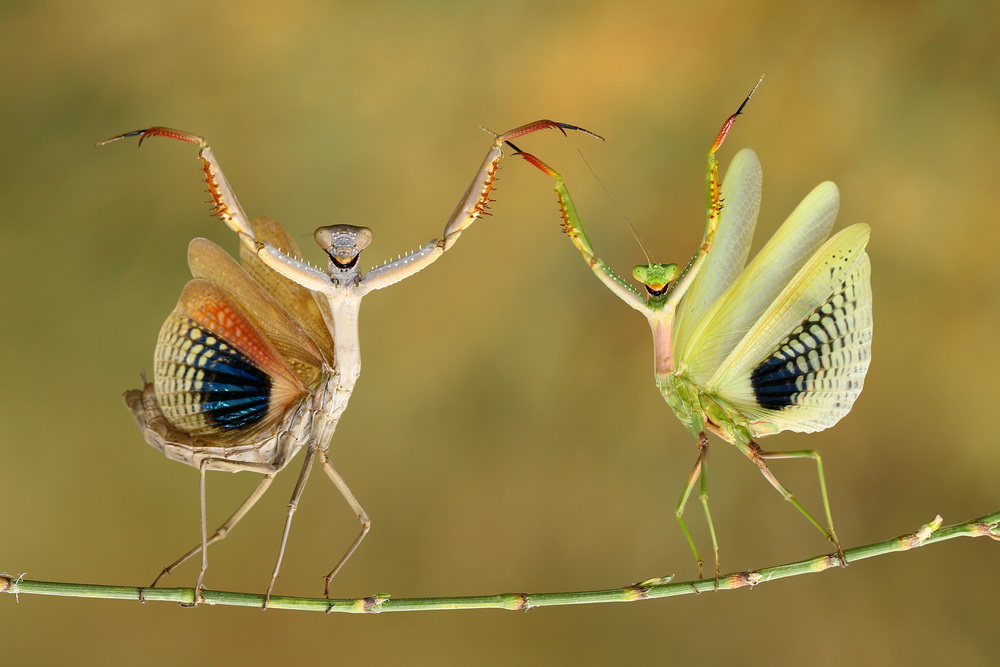
“Show Time” by Hasan Baglar
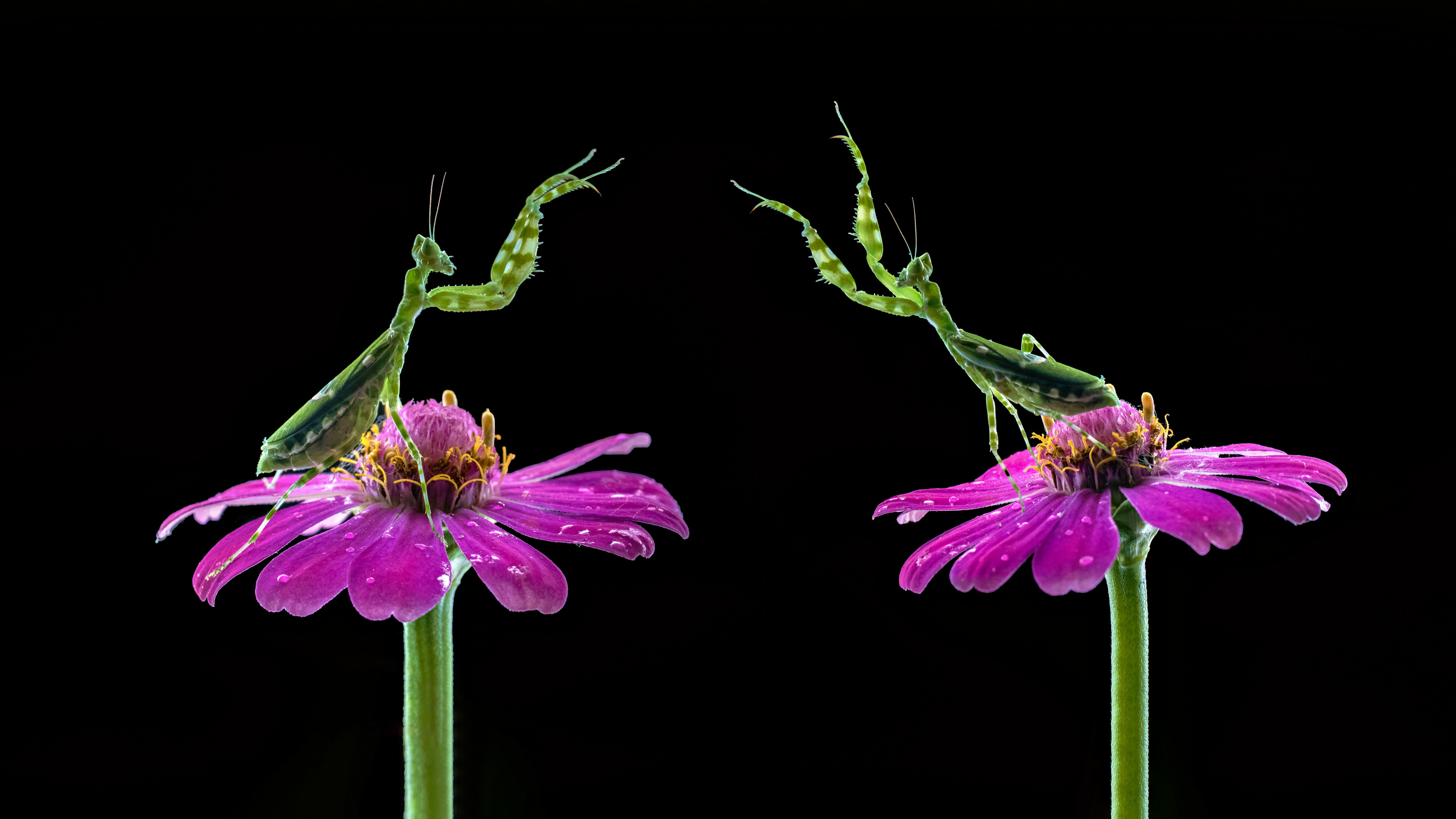
“The Standoff” by Antonyus Bunjamin (Abe)
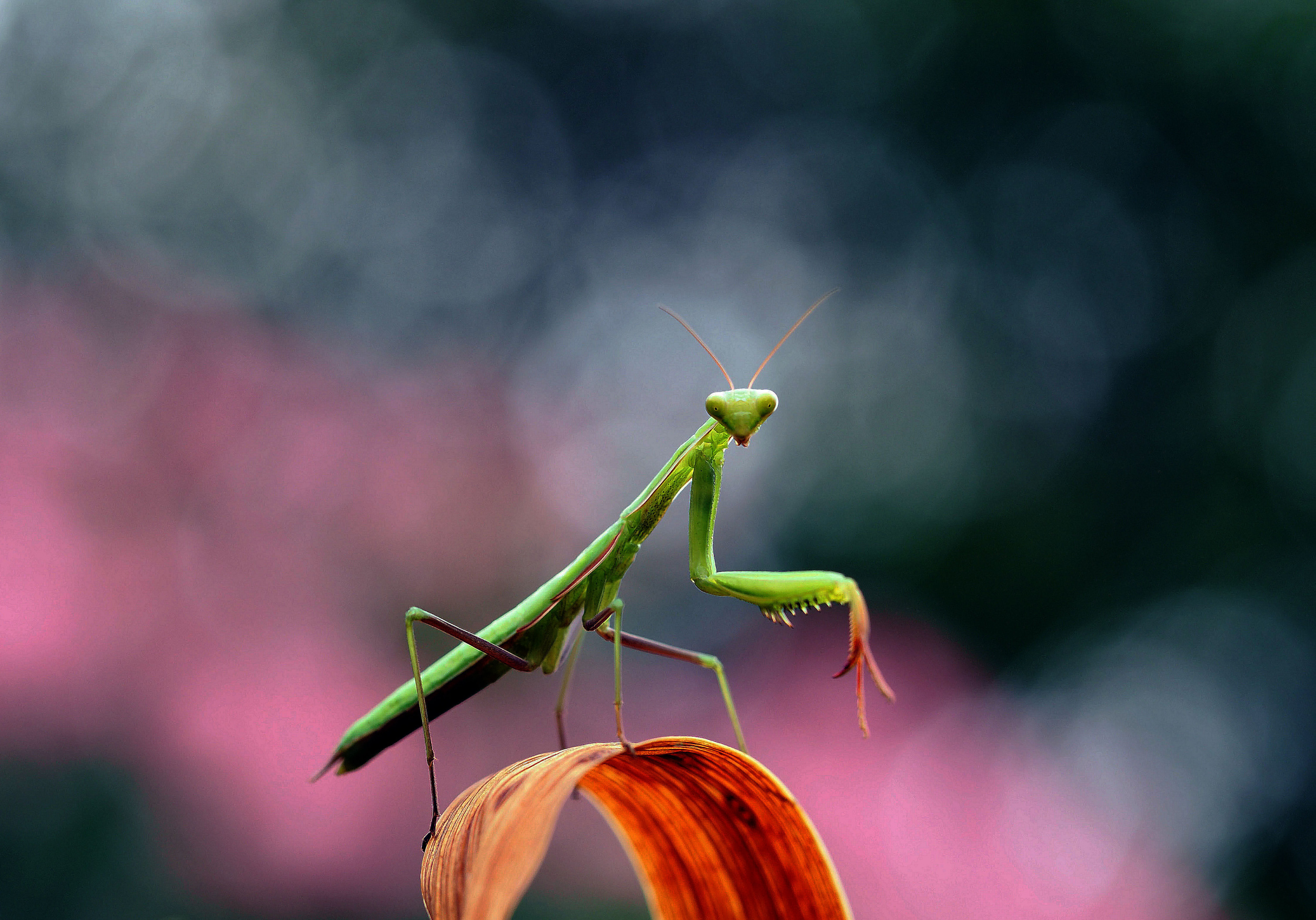
“Black Day” by Thierry Dufour
The talented macro photographers featured in this collection have transformed ordinary scenes into extraordinary images. I am sure each photographer has their own favourite methods and patient habits, as well as a few hard-won secrets.
Without a tutorial, I consulted Google for the basics:
Lens: Use a 90mm to 105mm macro lens (or a macro filter on a standard zoom lens) to get close without scaring the insect.
Shutter Speed: Use 1/200s to 1/500s to freeze movement.
ISO: Keep your ISO low (100 to 400) for clean, crisp detail.
Focus: Switch to manual focus or use manual focus stacking/bracketing if the mantis is large and full-body sharpness is hard to get in a single frame.
Use diffused lighting. Use a diffused flash, twin macro flash or small reflector with your camera to soften harsh shadows on the exoskeleton.
Control the background: Place a clean background card behind the subject, or angle your shot so that the green or brown mantis is not obscured by busy garden foliage.
Above all, move slowly. Mantises notice movement, so the best photograph may come from waiting rather than chasing. The camera settings will depend on the light, the level of magnification, and whether the subject is moving. There is no single magic combination.
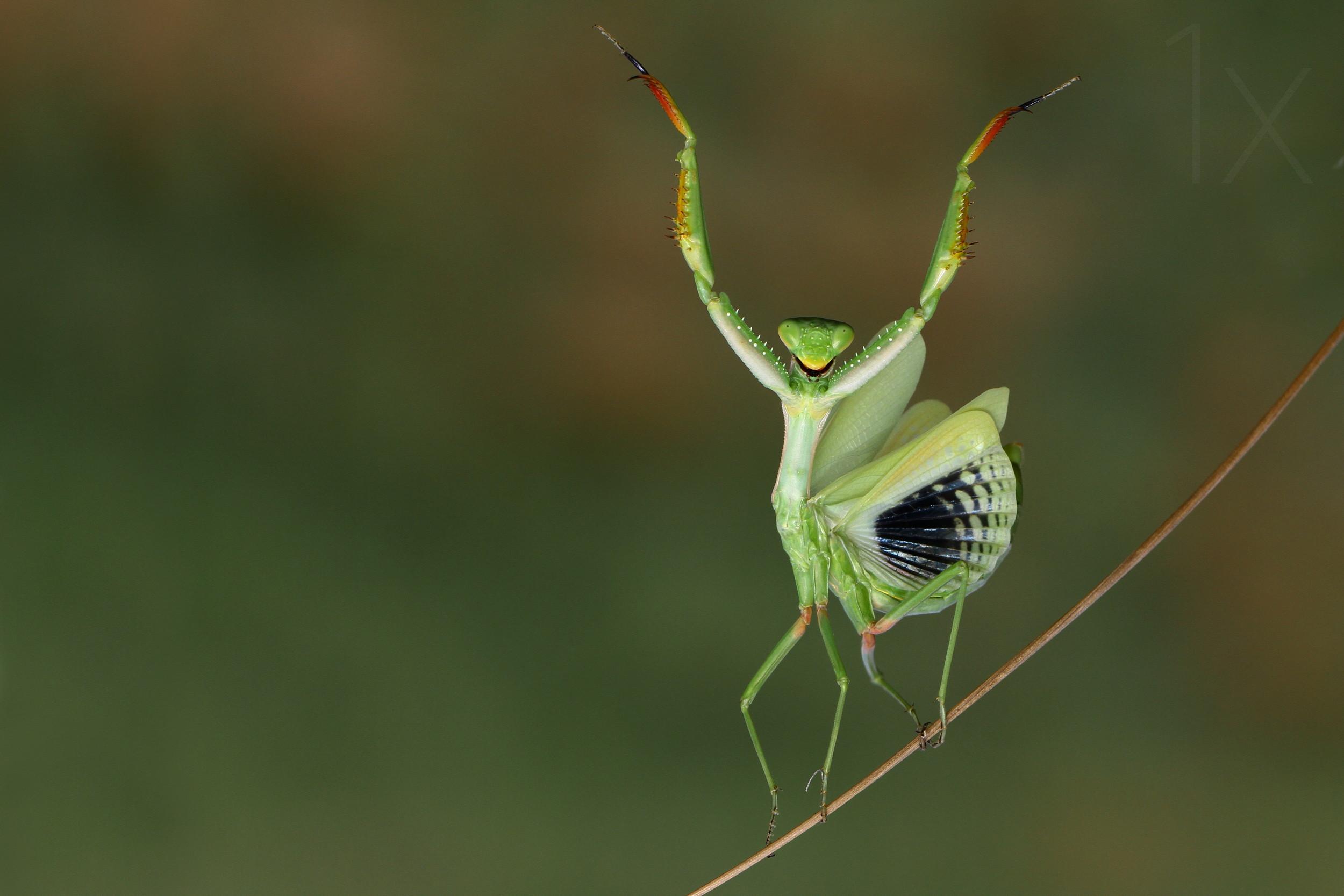
“Are you going to dance with me”? by Hasan Baglar

“White queen in the dark night” by Thierry Dufour
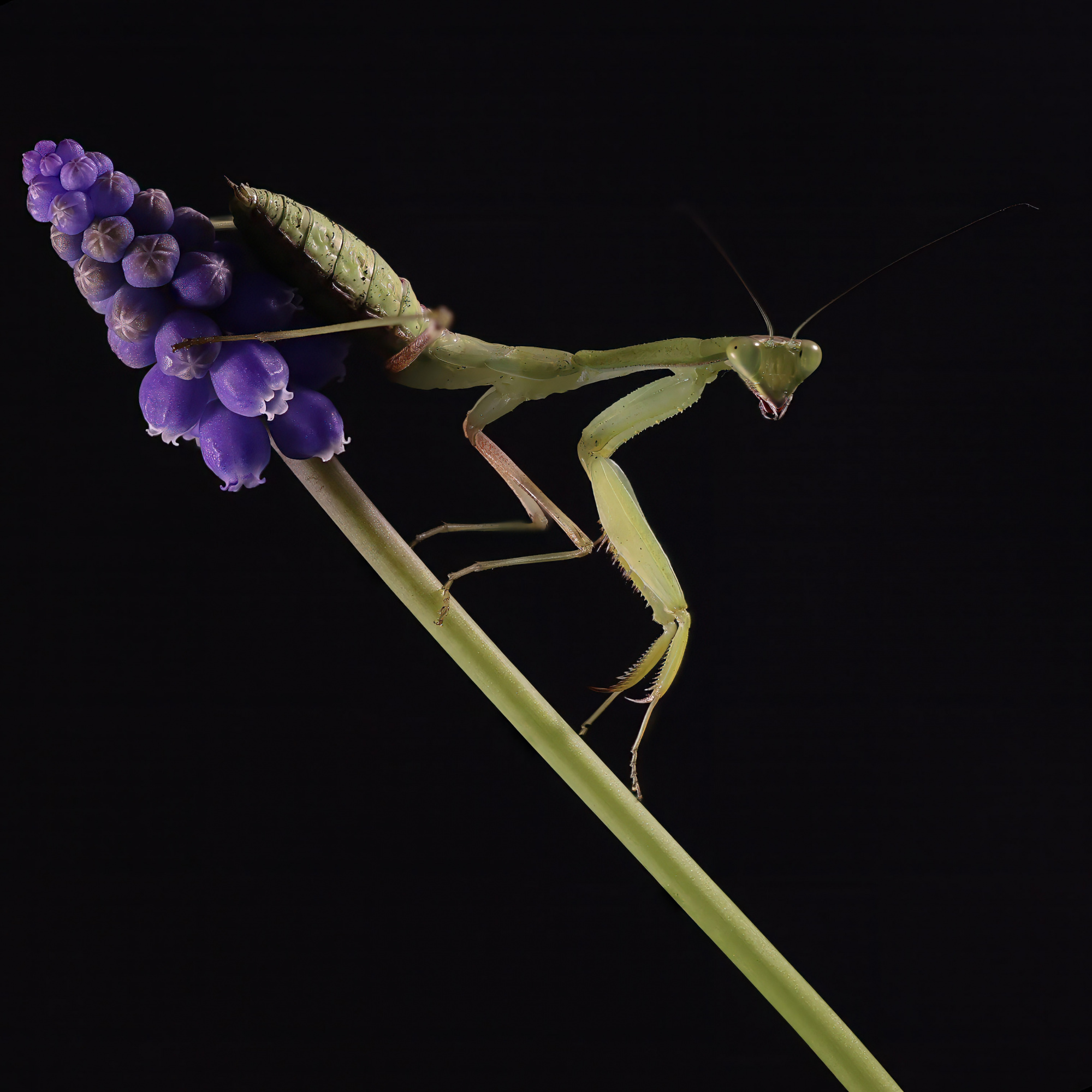
“Asian Mantis” by David Bennion
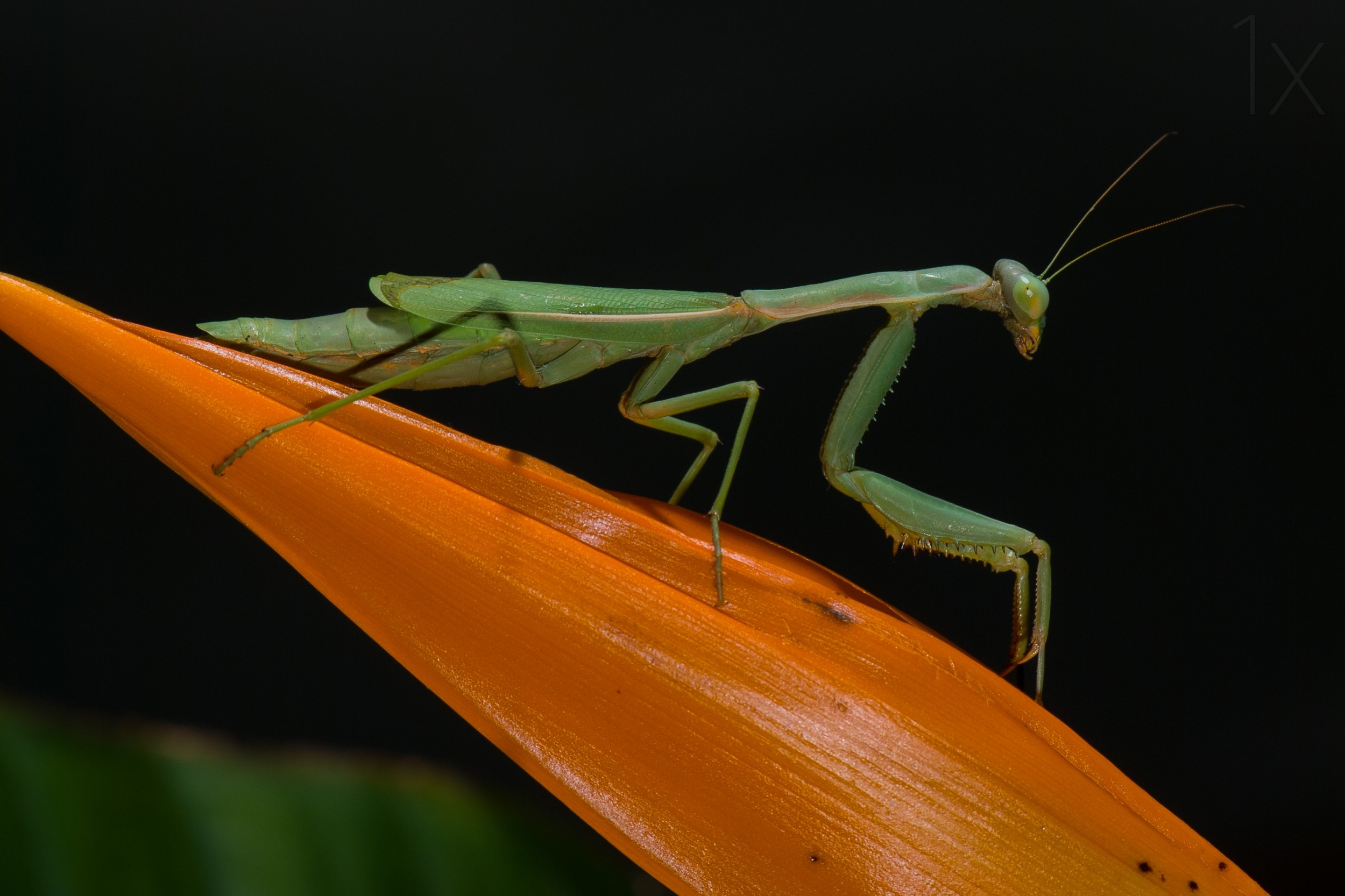
“In Profile” by Justin Hofman
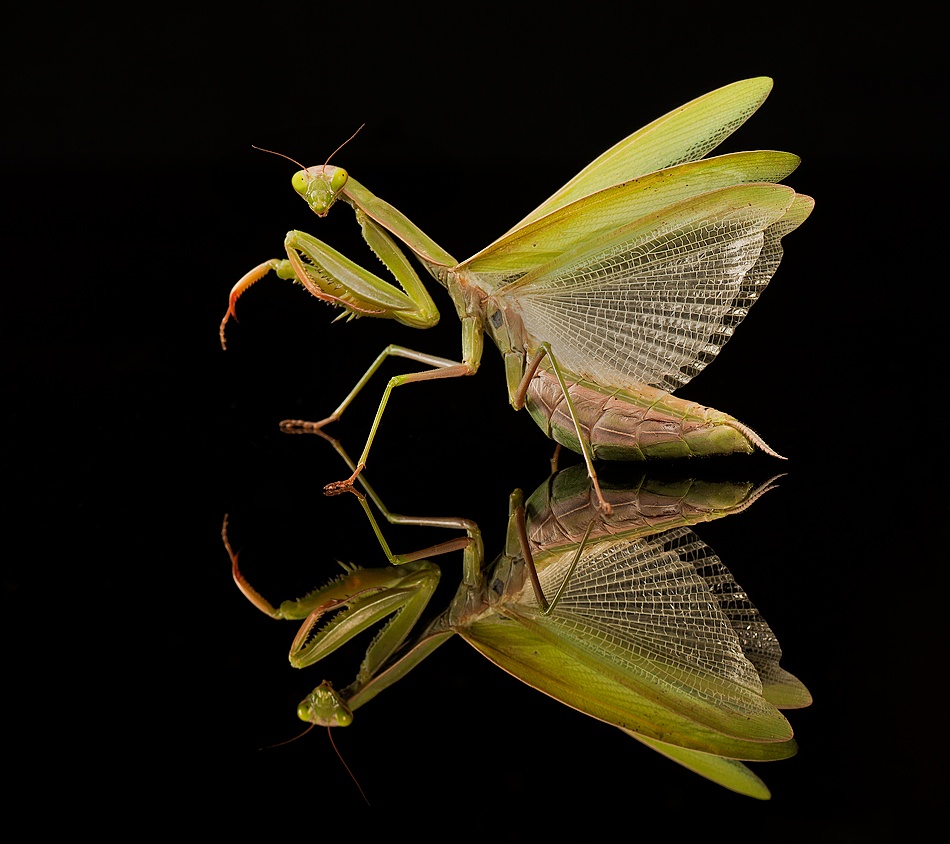
“Twins” by Iryna Melnyk
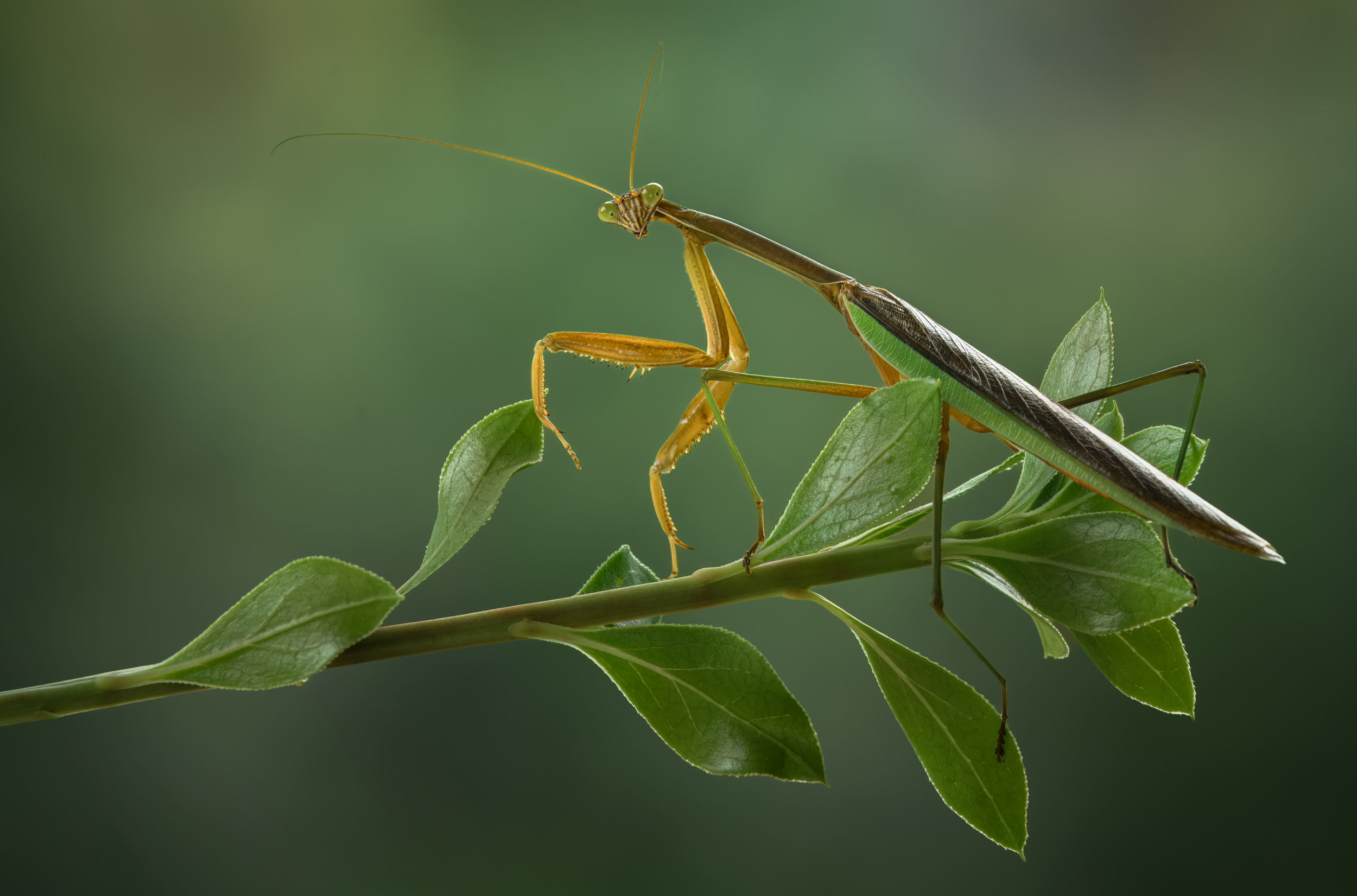
“Emerald in gold” by Atul Saluja
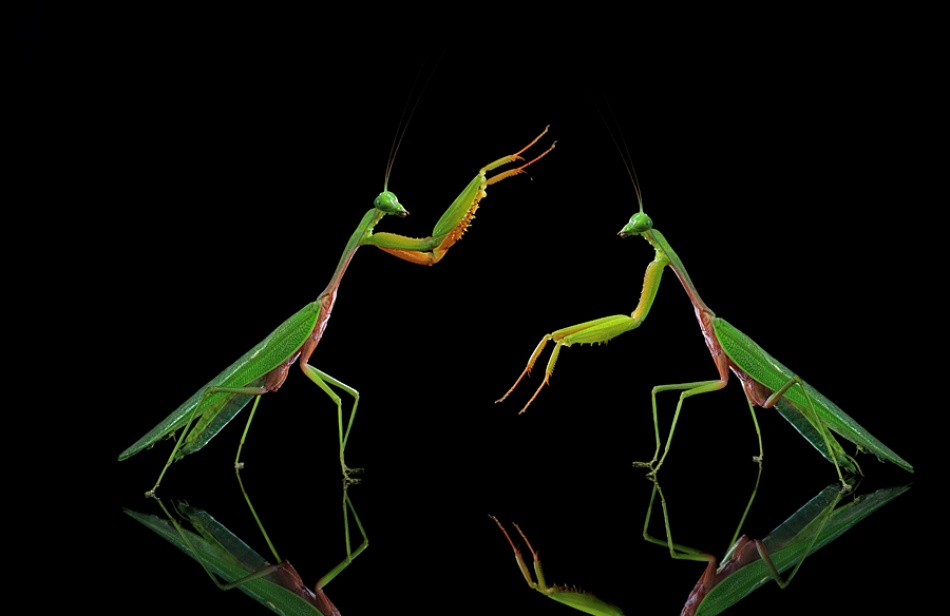
“Give me five” by Shikhei Goh
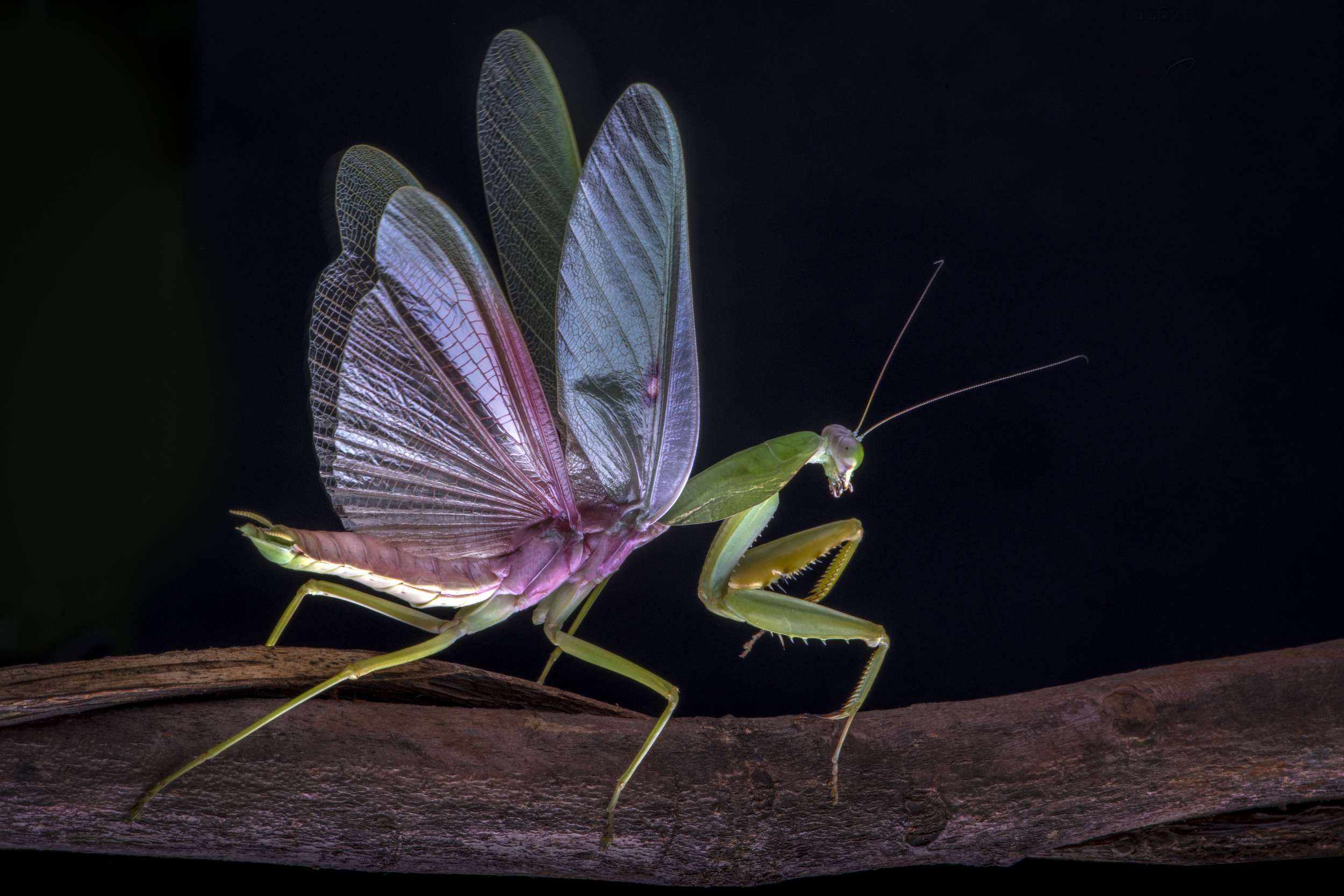
“Mantis blooming” by Ajar Setiadi
Whether it's dressed as a flower, balancing like an acrobat, or staring straight into the lens, the mantis never puts on an ordinary performance. These photographs serve as a reminder that some of nature's most captivating creatures are also among the smallest.
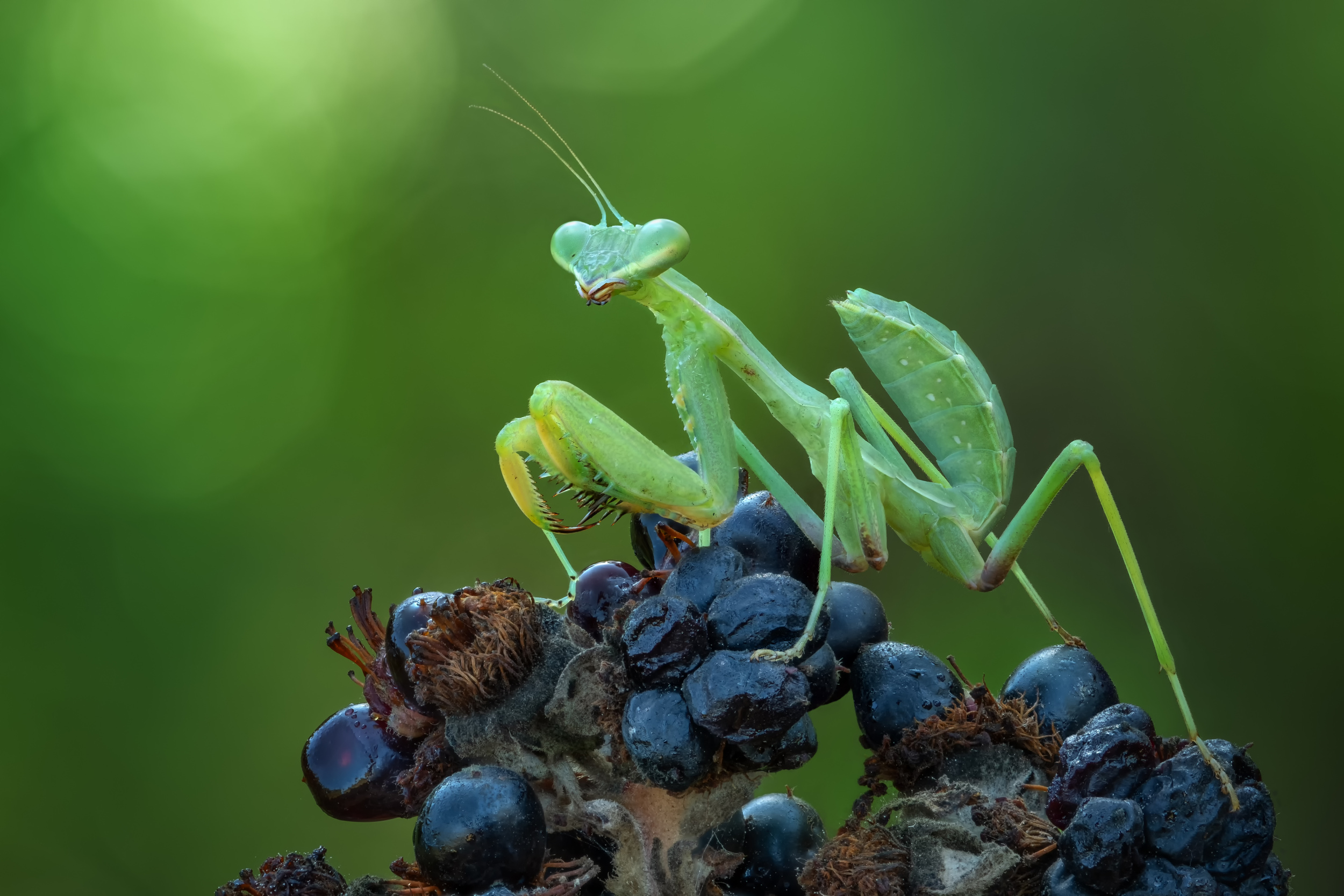
“Mantis” by Miron Karlinsky
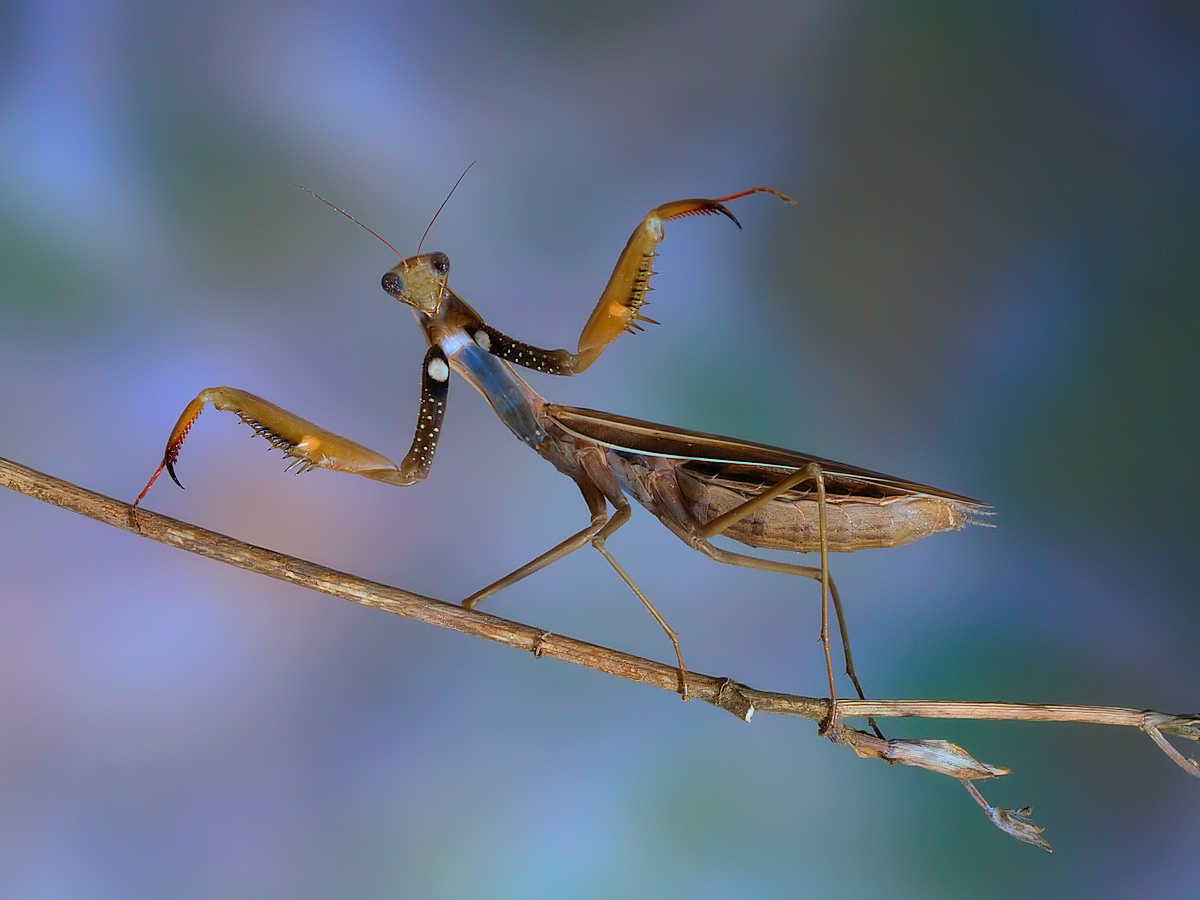
“Mantis religiosa” by Jimmy Hoffman
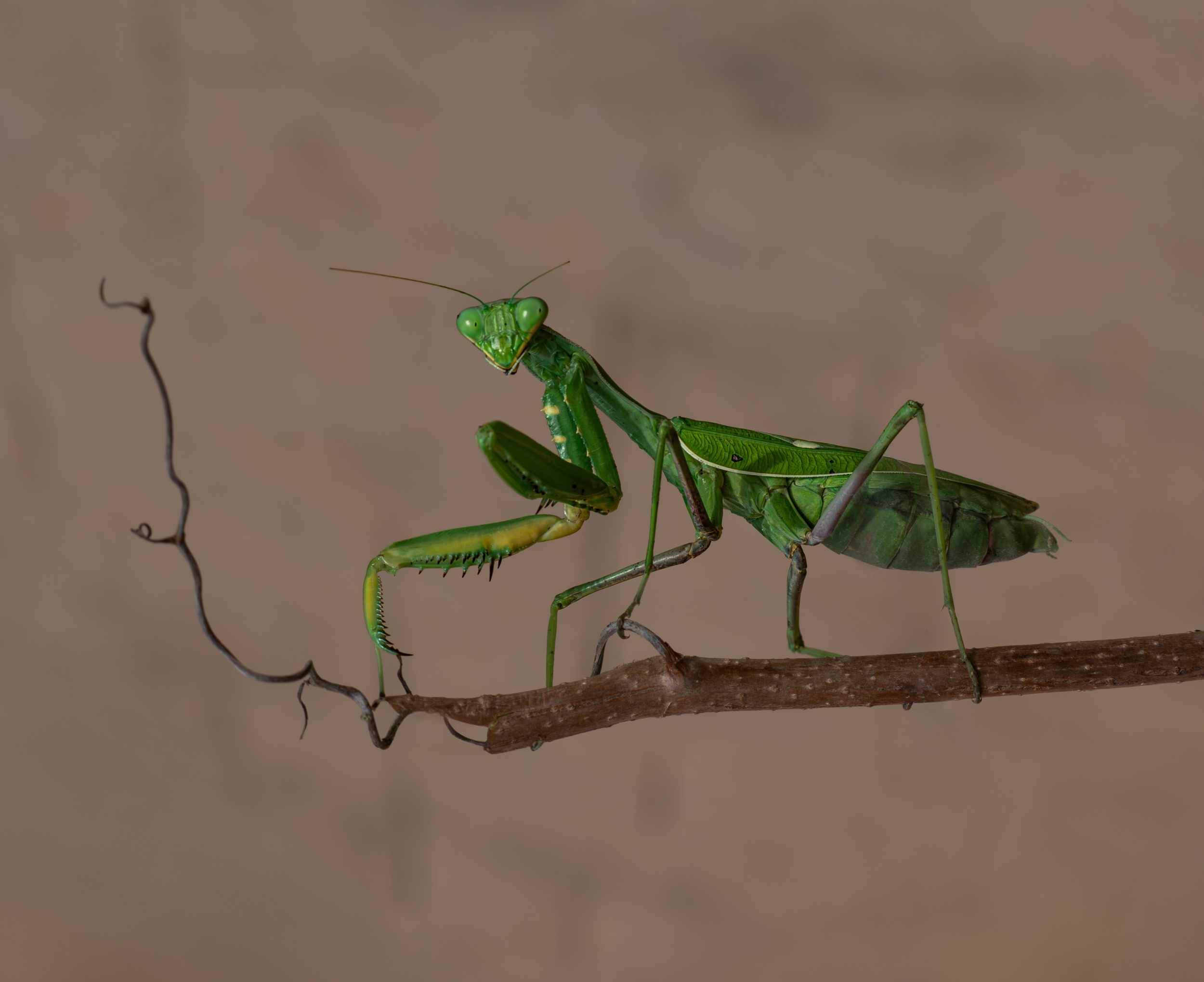
“Mantis 1” by JA Ruiz Rivas
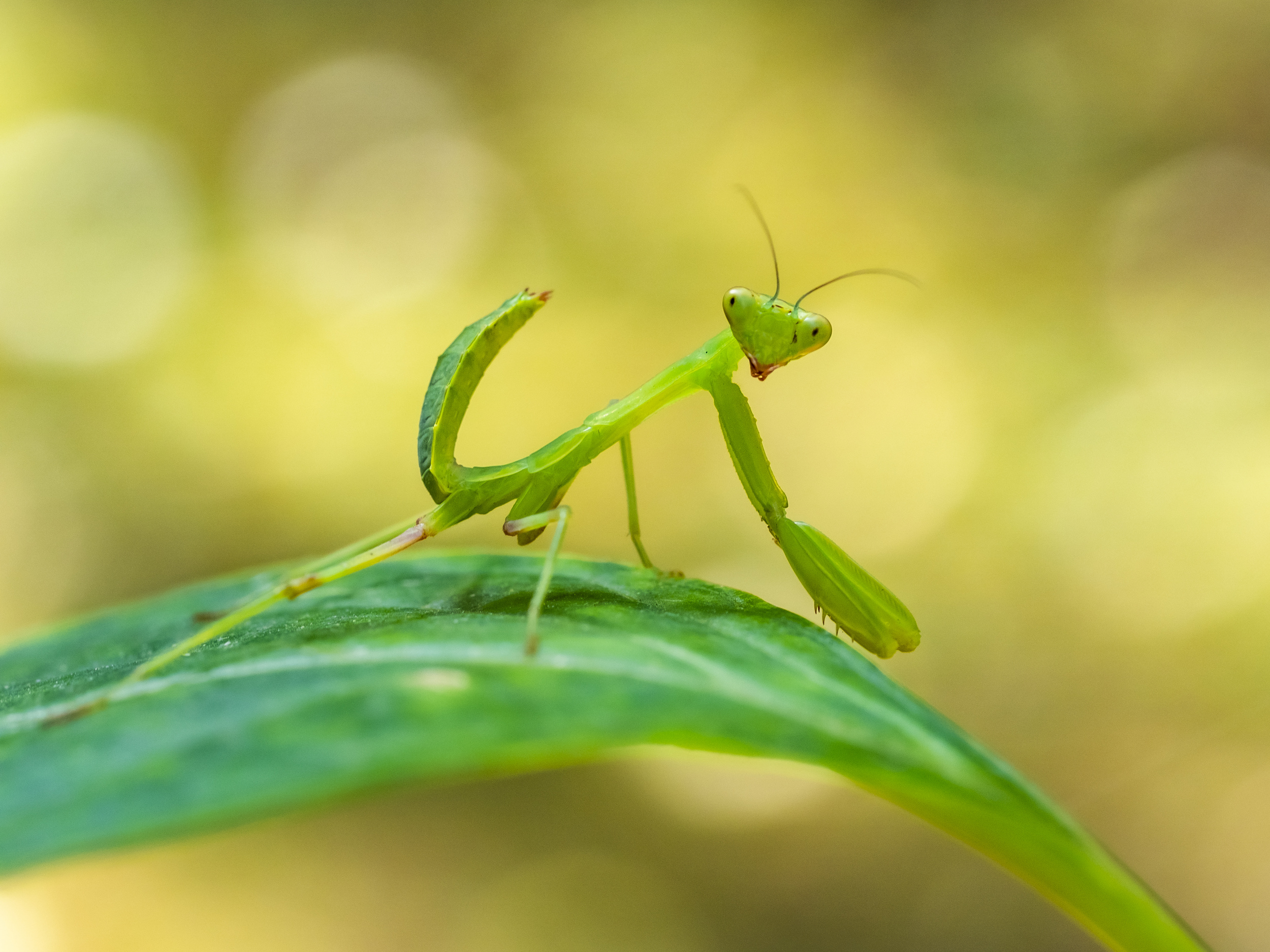
“Mantis” by Udrea Dan
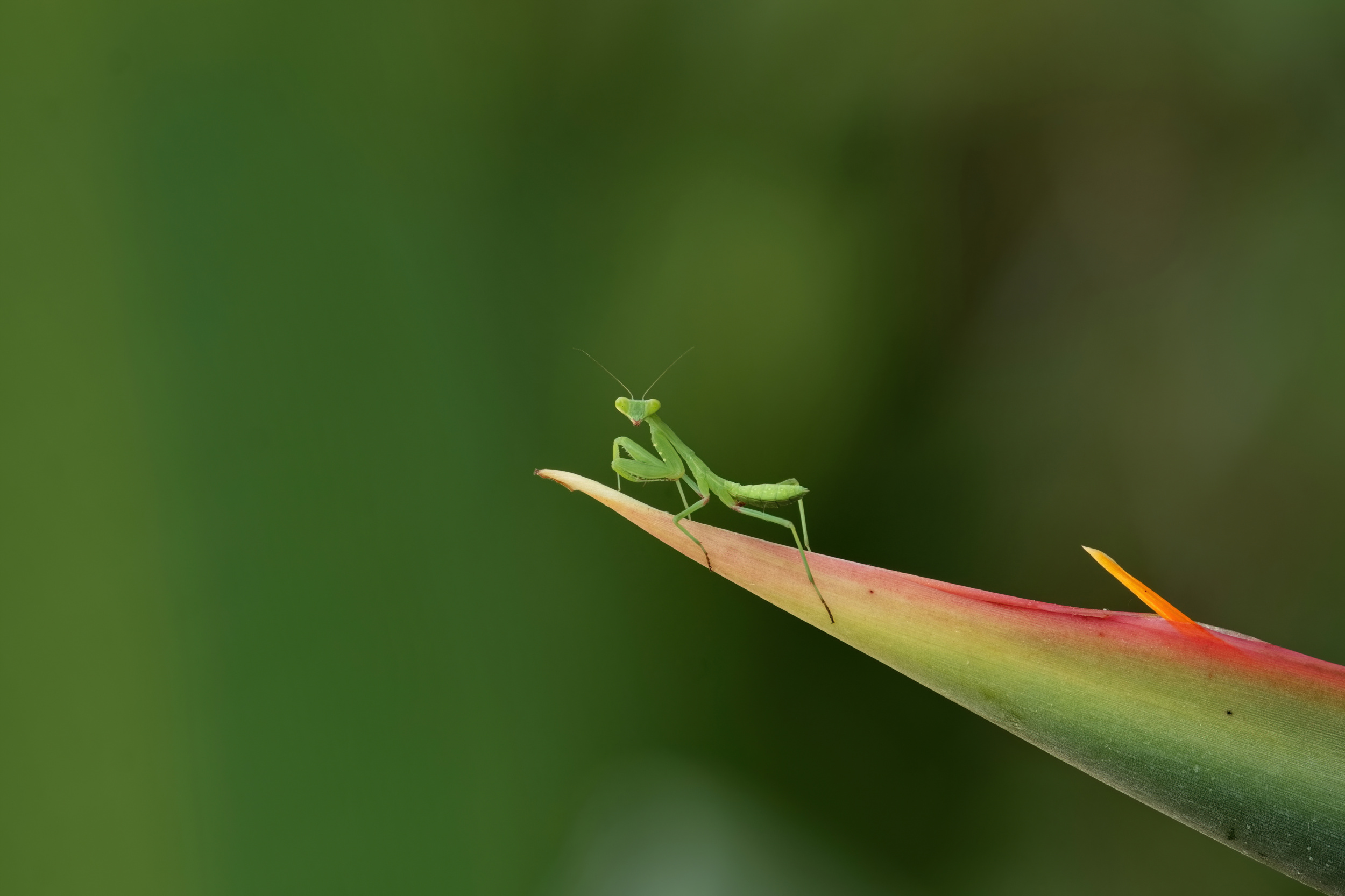
“Praying Mantis” by Avi Hirschfield
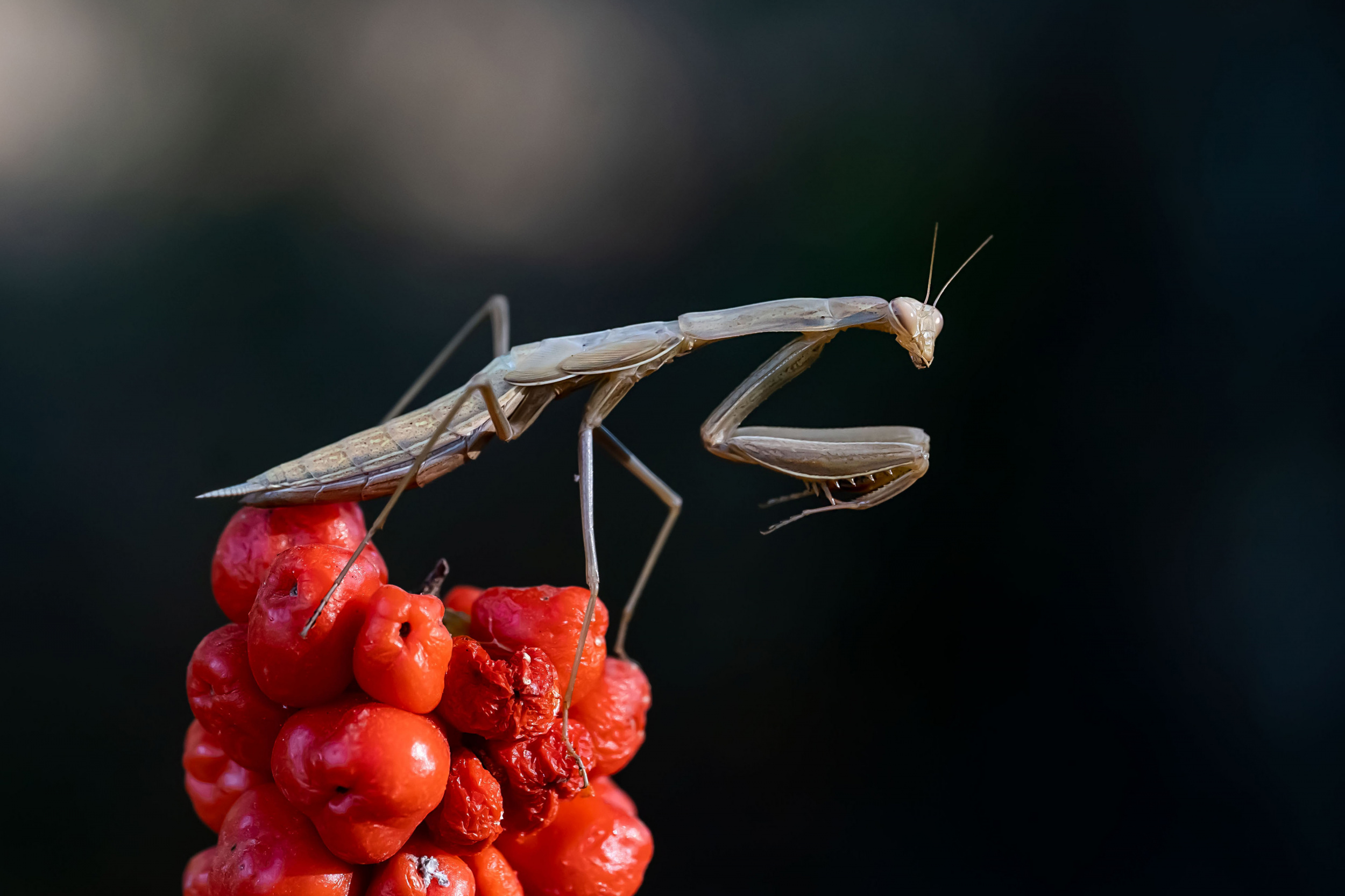
“Peygamberdevesi” by necmettin oba
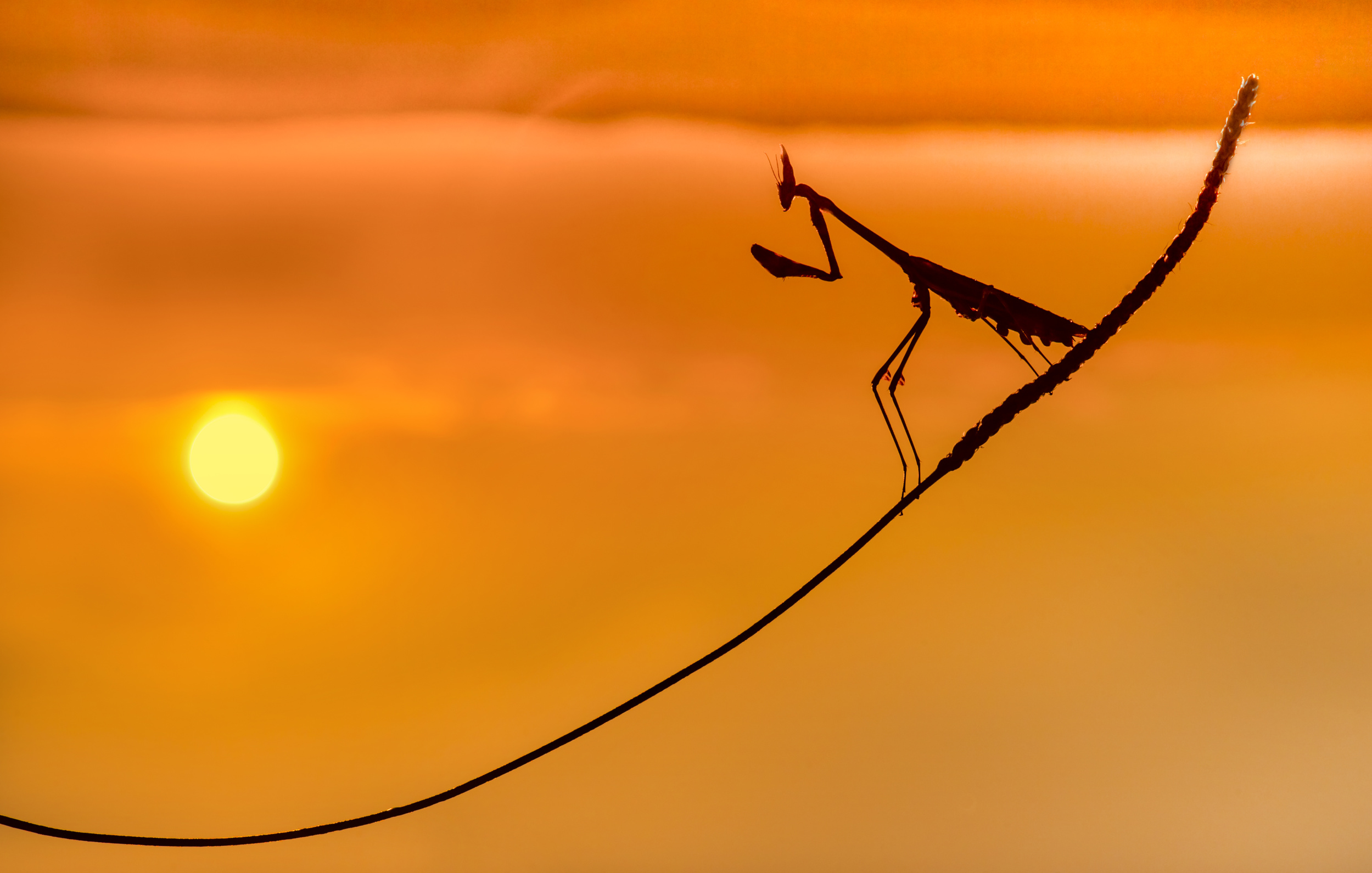
“prayer” by Ibrahim Canakci
 | Write |
 | Yvette Depaepe CREW Dear Jane, this is a wonderful ode to this amazing little star. Fantastic choice of images ... Congratulations to you and to all the authors. Cheers, yvette |
 | Roland Weber PRO Wow.. that is an amazing story and such wonderful photos of the small rock star.
Thanks for sharing, thanks to the editors and publisher, thanks to the photographer and their skills and passion to get us such photos.
|
by Editor Ralph Scylla
Edited and published by Yvette Depaepe, the 4th of November 2026
A Few Thoughts Before We Press Send
Someone took a photograph. You would have taken it differently.
So far, we have established that there are two of you.
A useful comment starts with the next step: examining the photograph closely enough to understand the photographer’s choices and explaining your response clearly enough for the photographer to be able to do something with it.
This article concerns the comments that ordinary members like us write during curation. The Senior Critics offer a more extensive service in the Critique Forum, with detailed discussions and illustrative edits. Our task here is smaller: a photograph appears, we look at it, and we have an opportunity to say something useful.

“Writer” by Matin Hosseini
I should add how much I learn from reading the Critique Forum myself. The Senior Critics give photographs careful attention, explain their responses thoughtfully, and remain courteous throughout. Even when I disagree with an assessment, it often helps me to understand my own response more clearly. While agreement is pleasant, having to think can be rather more useful.
If you are unsure about one of your photographs, I would highly recommend submitting it to the forum. Experienced eyes can help you recognize what needs attention and what you can be confident about keeping. The critics generously offer their time and knowledge. It's an exceptionally generous service — considerably more helpful than staring at your own picture for another evening, hoping it will eventually tell you whether it's any good.
Our shorter curation comments can be useful, too. A few thoughtful sentences are often enough. Nobody needs to submit a doctoral thesis on the top left-hand corner. These suggestions serve as reminders to myself as much as to anyone else. I have occasionally commented with the confidence of someone who had briefly forgotten their own portfolio.
Give the photograph a little time

“On Writing” by Dina Belenko
The first impression matters. It tells you where your eye goes, what you feel and whether anything invites you to stay.
But look again.
A small gesture may change the meaning of a portrait. An apparently empty area may give a figure its loneliness. Something you initially considered a distraction may turn out to be the reason the photograph exists.
If possible, view it at a reasonable size. A photograph squeezed onto a phone screen has already made several compromises without being consulted.
Ask yourself: What did I discover on the second look?
If your first impression changes, you have already gained something by waiting.
Consider what the photograph seems to be attempting

“writer’s block” by Richard Otten-Wagener
Photographs may describe, disturb, amuse, seduce or quietly withhold information. Some reveal their subject; others depend on leaving us uncertain.
Our comments become more useful when they respond to that purpose.
A blurred figure might weaken a descriptive portrait. Elsewhere, the blur may carry the whole experience of haste, memory or disappearance.
Before suggesting a change, ask: What would this help the photograph achieve?
Consider any available title or explanation. It may offer a clue, although a title cannot reasonably be expected to do all the heavy lifting.
Where the intention remains uncertain, describe your reading: “The distance between the figures gives me a sense of estrangement.”
That offers something the photographer can consider without requiring you to have solved their inner life.
Explain what works—and what does not

“on Writing” by Raul Pires Coelho
“Wonderful light” is pleasant to receive. “The narrow strip of light gives the face a sense of being briefly revealed” explains what the light contributes.
Critical observations benefit from the same precision.
“The background is distracting” gives a verdict.
“The bright shape beside her face keeps pulling my eye away from her expression” gives an observation the photographer can examine.
They may agree, disagree or decide that the competing attraction is intentional. At least there is now something concrete to consider.
Describe the effect before prescribing the remedy.
Make the praise honest. An opening compliment does not have to be given like a small anaesthetic before an operation.
Find something you genuinely like and explain why.
Separate your taste from your assessment
I tend to like photographs with a little unease in them: an unresolved gesture, an awkward relationship, something that refuses to settle.
This does not oblige every peaceful landscape to develop psychological problems.
We can recognize an accomplished photograph without wanting it on our wall. We can also be fascinated by an imperfect image because something in it feels alive.
“This treatment is not usually to my taste, but the colour relationships seem carefully judged” is a perfectly coherent assessment.
“I would prefer it in black and white” tells the photographer about your preferences. It becomes useful advice when you explain what the conversion might gain—and lose. Personal taste is unavoidable. The useful habit is to notice when it has put on a judge’s robe.
Judge technique by what it contributes
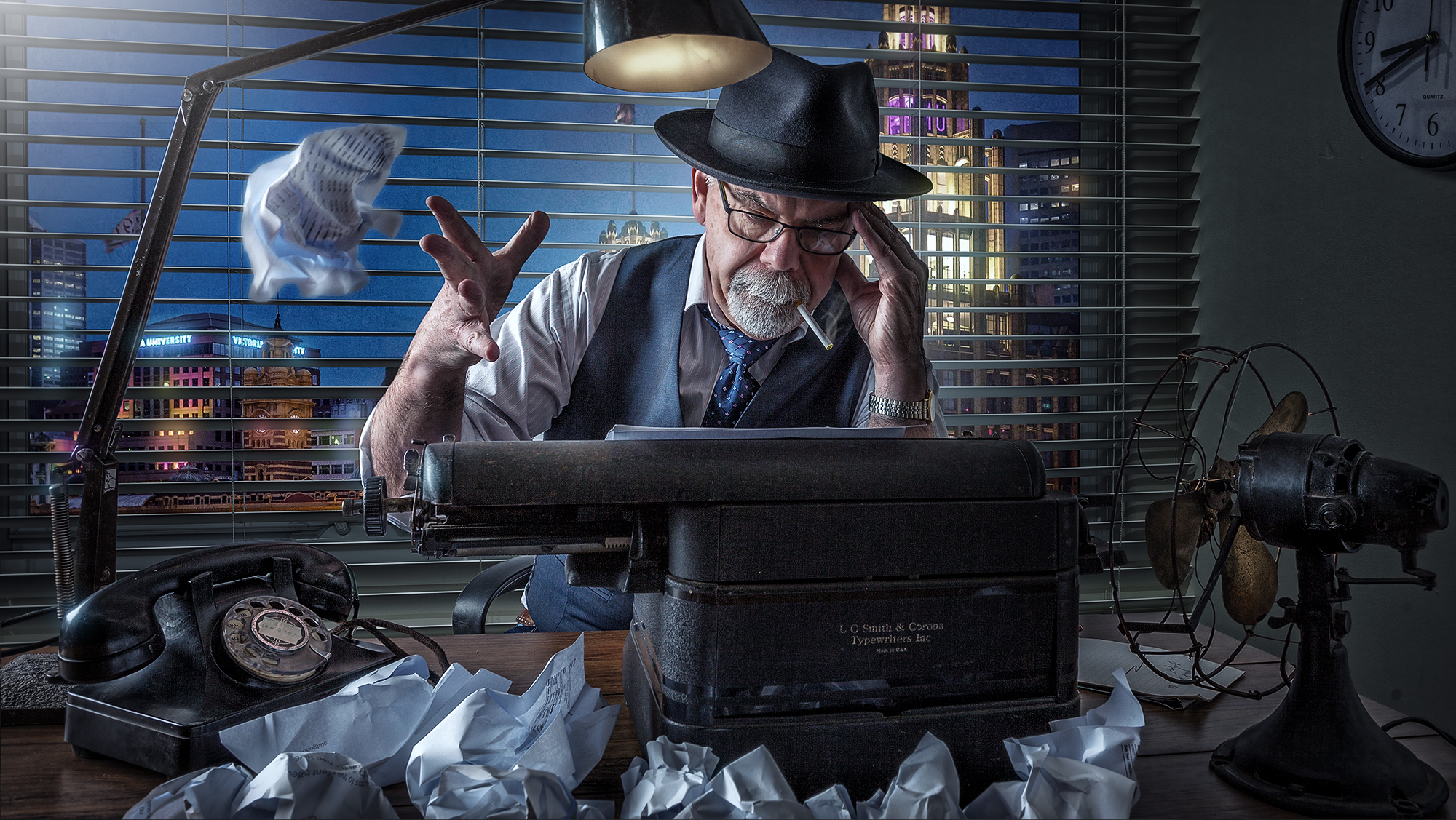
“Writer’s block” by Adrian Donoghue
All aspects of sharpness, exposure, contrast, colour and processing matter. The important question is how these factors affect this particular photograph.
Does the shallow depth of field isolate something meaningful, or remove context we need? Does the deep shadow create tension, or conceal an important gesture?
Does the processing strengthen the atmosphere, or demand its own round of applause?
A technically immaculate photograph may leave us untouched. A grainy or blurred image may stay with us for years. A photograph can also be both beautifully crafted and deeply affecting. There is no need to arrange a divorce between technique and expression.
The same scrutiny applies to fashionable effects. Infrared, intentional camera movement and extreme softness can contribute something wonderful. They still benefit from having a reason to be there.
Judge technique by what it contributes.
Before recommending that every shadow be opened, consider what might escape.
Try the leopard test
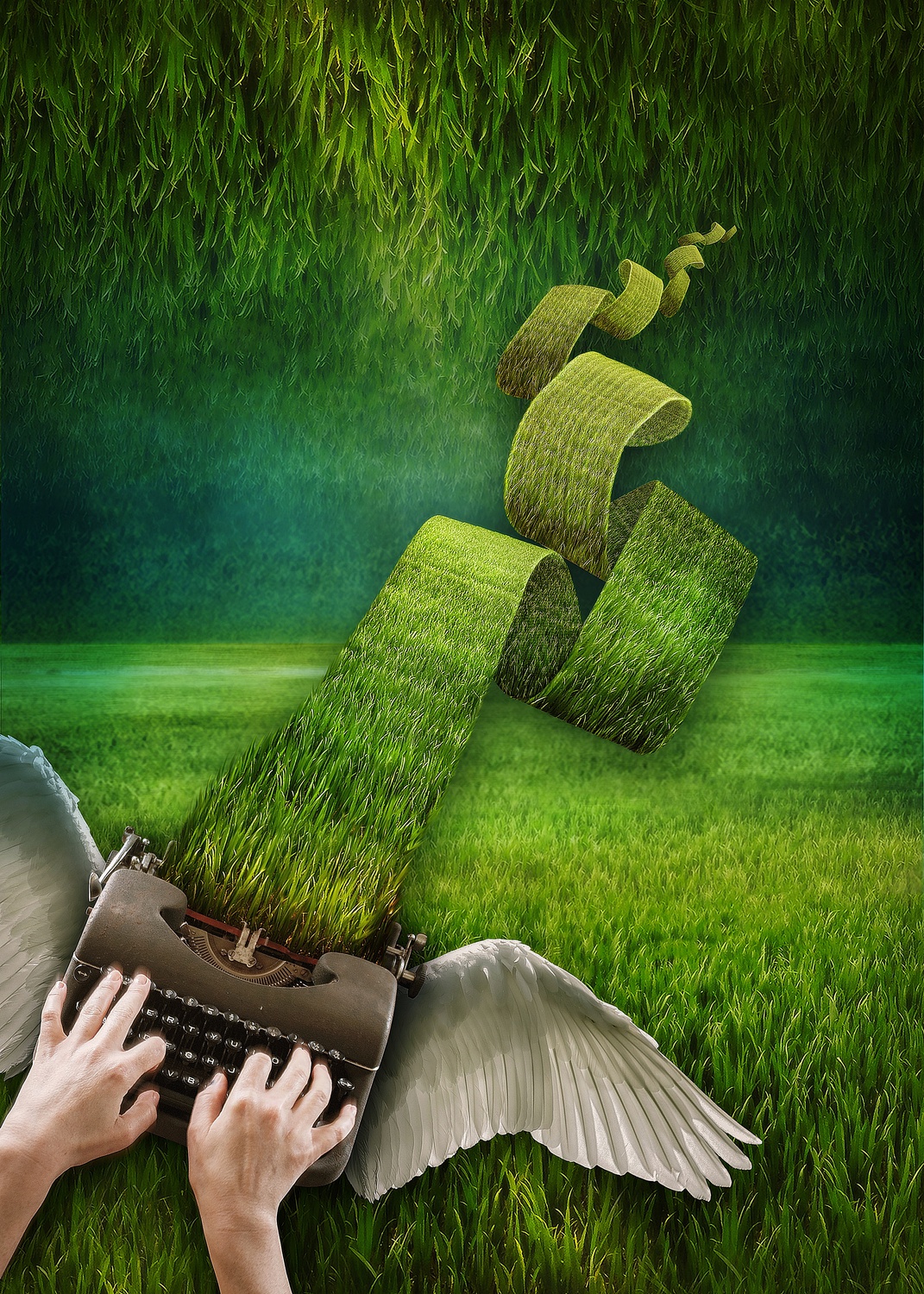
by Lucinda Lu
Imagine the leopard is a house cat.
Replace the wolf with a dog.
Exchange the eagle for a pigeon.
Now look again.
Keep the light, framing, gesture, background and timing as similar as your imagination allows. How much of your admiration remains?
This exercise helps distinguish the appeal of the subject from the photographer’s achievement.
An extraordinary animal, a remote location or a spectacular event brings an advantage. Seeing something unusual is a legitimate pleasure. It is simply worth knowing what we are praising.
Are we admiring the photograph—or feeling fortunate that a leopard was available?
The test has limits. Wildness, rarity and environment may be essential to the image. Photographing an animal in its habitat can require knowledge, patience and judgement that the substitution cannot preserve.
But the question remains useful: What has the photographer made of the encounter?
Look for the moment, relationships and choices that turn access into a photograph.
A pigeon deserves the same attentive looking. It has merely suffered from being available without international travel.
Treat composition as relationships, rather than regulations

“Just write” by Dina Belenko
Compositional rules help us notice how a picture is organized. Their usefulness diminishes when we enforce them as parking restrictions.
A centred subject may feel static. It may also feel confrontational, ceremonial, trapped or entirely right.
An empty area may be wasted space. It may be what gives everything else its meaning.
Describe the effect: “The large area above the figure makes her seem very small within the room.”
Then consider whether that effect serves the photograph.
A crop may strengthen an image, but it may also remove atmosphere, ambiguity or an important relationship. Simplifying everything is an excellent way to tidy a cupboard. Photographs occasionally need their complications.
Before relocating the subject to a third, wonder why it was somewhere else.
Offer one useful suggestion

by Lorenz Kort
A curation comment benefits from focus, and the photographer has limited patience. Both are worth remembering.
Choose what matters most and explain it properly.
Suggestions carry trade-offs. Brightening a face may reveal the expression while weakening the sense of concealment. Removing an object may simplify the composition while erasing part of the story.
Keep the advice proportionate, too. “Return to Iceland with a medium-format camera and wait for better weather” is an ambitious travel plan. As assistance with the photograph currently on the screen, it has certain limitations.
Offer a possibility, with a reason for considering it.
The photographer remains free to prefer the original. Your comment does not require a certificate of compliance.
Remember who else is learning

by Angela Waye
Writing a thoughtful comment can improve the judgement of the person writing it.
Explaining why something works takes us beyond “I like it”. Explaining why something troubles us makes us examine our reaction. Sometimes we discover a relationship we had never consciously noticed. Sometimes we discover that our objection was mostly habit.
All of this travels back into our own photography.
Next time, we may notice the bright edge before pressing the shutter. We may recognize when a shadow should remain dark. We may even discover that an attractive subject has been doing rather more of our work than we care to admit.
The leopard test becomes particularly uncomfortable when applied at home.
Whatever points we may earn for contributing, learning to see more clearly is a reward we can keep using.
Critique is a two-way exchange. We help another photographer examine a picture while practicing how to examine our own.
We need not become experts before taking part. We do need to pay attention and be honest about what we can explain.
Read your comment as its recipient

by Heather Bonadio
“In my opinion” is useful. It reminds everyone that a person is offering a response.
It is not a diplomatic passport for everything that follows.
“I find the expression difficult to read because the eyes disappear into shadow” is clear without being hostile. “You must always show the eyes” establishes a universal law with remarkably little paperwork.
Courtesy does not require elaborate padding. Say what you mean, give your reasons and leave room for another interpretation.
Before sending, ask: Have I helped the photographer see something—or merely demonstrated that I would have made a different photograph?
And: Would I welcome this comment beneath one of my own pictures?
The photographer may disagree. They may understand your concern and accept the consequence of their choice. They may have different ambitions for the image.
That is allowed. We are discussing photographs; nobody needs to surrender.
A few sentences written with attention, curiosity and consideration can make curation more useful—and more enjoyable for both people involved.
On some days, I even remember all this before pressing Send.
With thanks to Steven T (1xsteve1x) for his thoughtful observations on critique, several of which helped shape this article.
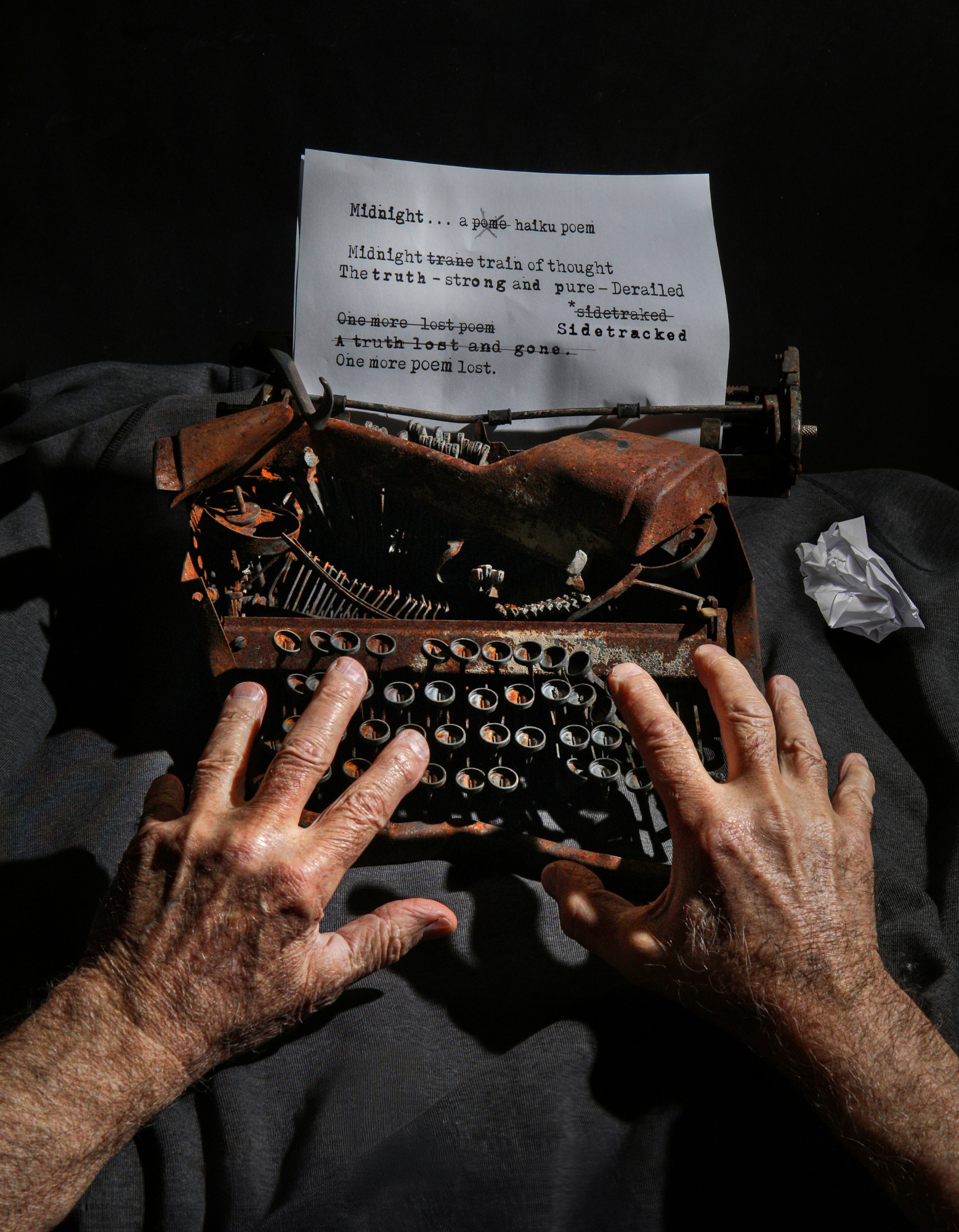
by Steven T
|
 | Miro Susta CREW Very interesting and constructive article, thank you Ralph and Yvette |
 | Naoaki Miyamoto PRO Without placing ourselves above or below one another as artists, we can approach each other with openness and mutual respect, learning and growing together.
I believe that mutual curation is truly part of 1x's DNA and lies at the very heart of its spirit. It represents a unique frontier of learning, one that goes beyond what traditional educational institutions can offer.
Ralph, Yvette, and Steven, thank you so much for putting these wonderful insights into words and sharing them with the community.
|
 | Ralph Scylla CREW Dear Naoaki,
Thank you for such a thoughtful and generous comment.
I particularly like your idea that mutual curation offers something that traditional education cannot easily provide. In a classroom, there is usually someone who teaches and someone who learns. Here, ideally, we are all doing both.
And perhaps that is what makes 1x so special. A beginner may see something that an experienced photographer has overlooked, while years of experience may help someone discover possibilities they never imagined.
The moment we stop thinking in terms of who is above or below whom, criticism becomes an exchange rather than a verdict.
I am also very grateful that you mentioned Yvette and Steven. Their dedication, encouragement and experience are invaluable, and this article owes a great deal to the conversations and ideas we have shared.
Thank you again for reminding us what this community can be at its best.
Warm regards,
Ralph |
 | Jane Lyons CREW Thank you for such a thoughtful and well constructed article, Ralph. It is vey helpful. |
| Ralph Scylla CREW Dear Jane,
Thank you so much for your kind words.
If the article helps even a little to make our discussions more thoughtful, constructive and encouraging, then writing it was well worth the effort.
After all, we are all here because we share a love of photography, even if we occasionally see things very differently.
Warm regards,
Ralph
|
 | Chris Hamilton PRO Great insight and informative suggestions. |
| Ralph Scylla CREW Dear Chris,
Thank you very much! I'm delighted you found the article both interesting and useful.
I believe that learning to look at a photograph through someone else's eyes is one of the most rewarding aspects of photography. And fortunately, it's something we never really finish learning.
Best wishes,
Ralph |
 | I'll leave the frequency up to the readers, but this is one article that we all need to read on a continuing basis. Beautifully accomplished! |
| Ralph Scylla CREW Thank you, Patrick! I suspect I’ll need to reread it myself from time to time — preferably just before offering somebody advice they never asked for. Writing these things is considerably easier than consistently living up to them. I’m delighted you found it worth returning to. |
 | Daniela Luca PRO thank you so much for this useful and constructive article! |
| Ralph Scylla CREW Thank you so much, Daniela! I'm very happy you found the article useful. If it encourages even a few of us to look a little more carefully before judging someone else's work, it will have served its purpose. 😊 |
 | Peter Ebel CREW Thank you Ralph, thank you Yvette!
This is a very useful input for all who contribute to 1X.
It fully aligns with some of my observations.
We all want feedback which helps to improve skills, style and attention without triggering frustration and uncertainty to any photograph's author. |
| Ralph Scylla CREW Thank you very much, Peter! You've touched on something that was particularly important to me when writing this article. A good critique should encourage curiosity and confidence, not leave the photographer wondering whether they should ever pick up a camera again.
We all see the world differently, and that is precisely what makes photography so fascinating. The challenge is to help someone develop their own vision rather than persuade them to adopt ours.
And fortunately, there are so many dedicated people here at 1x who generously give their time and experience to help others. That deserves recognition too! |
 | Eiji Yamamoto PRO Dear Ralph and dear Yvette, thank you so much for a very interesting and constructive article! |
| Ralph Scylla CREW Dear Eiji, thank you so much for your kind words! I really appreciate them. I hope the article encourages a little more understanding and curiosity in the way we look at each other's photographs. After all, photography would be terribly boring if we all saw the world in exactly the same way! 😊 |
 | Raul Moeller PRO I find it exceedingly difficult to critique a photo for the sake of critique. The only things which have meaning to me when looking at any visual work work of Art, is if it touches something inside me and if I have the feeling that whoever pressed the shutter did so as a conscious act which had meaning to them, versus pressing a shutter because it's possible. Every person looking at a work of visual Art can see something unique and meaningful to themselves, something which may well have no relation whatsoever with what the artist envisioned. This is probably one of my favorite aspects of Art. As to judging technical aspects of a photo, what should I base my judgement on, other than subjective preferences. Photography has, in my opinion, no rules which couldn't and shouldn't be broken or stretched to the limit, being made of a material as intangible as light and being capable of escaping the physical laws of time an space. These are the elements of photography which I deeply love, as they open a door to a universe in which we cannot abide, but into which we can look, through the innumerable eyes of so many photographers. |
| Ralph Scylla CREW Dear Raul,
Thank you for this wonderful and thoughtful reflection. I find myself agreeing with almost everything you say.
I particularly love your observation that a photograph may mean something entirely different to the viewer than it did to the photographer. Isn't that one of the most fascinating aspects of art? Once we release an image into the world, it begins to live a life of its own.
And perhaps this is precisely where a meaningful critique begins. Not with judging whether a photograph is good or bad, but with sharing what we see, what we feel, and what it awakens in us. Even when our interpretation differs completely from the artist's intention, that exchange can be enormously valuable.
As for technical rules, I agree that they are there to be broken. The interesting question is not whether a rule has been followed, but whether breaking it has contributed something to the photograph.
Thank you, Raul, for adding such a beautiful perspective to this discussion. Your words are almost an article in themselves!
Warm regards,
Ralph |
 | Steven T CREW Thank you, Ralph and Yvette, for this thoughtful article, and the expressive photographs that accompany it. I've been writing critiques for quite a while - but now I resolve to try even harder. |
| Ralph Scylla CREW My dear friend Steven,
If anyone deserves my thanks for this article, it is you!
I probably would never have written it without your encouragement, your wonderful work in the Critique Forum, and the many conversations we have had. Your own article on criticism was an important inspiration, and quite a few of your thoughts found their way into mine.
So, in a way, you are partly responsible for all this. I hope you can live with the consequences! ;-)
But seriously, I have learned a great deal from you, not only about photography, but also about how to look at other people's work with curiosity, respect, and an open mind.
And if my little article has inspired you to try even harder, I suspect the rest of us are in serious trouble!
Thank you, dear Steven, for your friendship, your generosity, and everything you contribute to this wonderful community.
Warmest regards,
Ralph |
| Yvette Depaepe CREW Many thanks to you, for the good job you're doing for quite a while, Steven. This is such a good and useful article. Glad to see a fine discussion has started here. Btw, it was challenging to find appropriated images ;-) Cheers to you, mdf ... |
 | Mohammed Alhajri PRO Please pass my warmest regards to the talented Yvette. Her exceptional curation truly brought this beautiful concept to life. |
| Yvette Depaepe CREW Thanks for your appreciation, dear Mohammed :-) |
| | Mohammed Alhajri PRO A deeply moving conceptual collection. There is a profound narrative in using the book, the notebook, the pen, and the typewriter—tools that symbolize a beautiful era of tangible creativity we have somewhat lost today. By capturing these elements, you have brilliantly turned physical objects into anchors of nostalgia, reminding us of the tactile soul of human expression that technology cannot replace. A masterpiece of visual poetry. |
| Ralph Scylla CREW Dear Mohammed,
Thank you so much for your beautiful and thoughtful words.
I sometimes feel that we live in an age that has forgotten how to appreciate beauty. Bakelite has given way to cheap plastic, copper to stainless steel, and beautifully carved wooden carousel horses to brightly coloured plastic ponies.
Of course, not everything was better in the past. But ordinary objects once seemed to possess a certain dignity, craftsmanship, and character that we have gradually lost.
And I must confess something: the wonderful selection of photographs was entirely Yvette’s work. She deserves the credit for bringing these images together so beautifully. I merely supplied the words!
Perhaps that is the nicest surprise of all: discovering that someone else’s choice of images expresses something you have felt for years.
Thank you again for your generous comment.
Warm regards,
Ralph |
 | Jay Satriani PRO This is a truly meaningful article that opens the eyes of the heart for every artist who wishes to grow, discover their true identity, and become a genuine artist.
Sometimes, without realizing it, we become trapped in our own ego and desires when judging a work of art. We see only what lies on the surface, evaluate it from one or two perspectives, and forget its true essence: the message and meaning hidden behind the light, composition, empty spaces that are actually full of meaning, colors, black and white, and all the other visual elements.
When our eyes, minds, and hearts begin to work in harmony, we learn to see art with greater awareness and understanding. We are no longer bound by the duality of good and bad, beautiful and not beautiful. Instead, we begin to understand that every work of art has its own journey, language, and meaning. Differences are not something to be opposed, but rather a part of the balance that enriches our understanding of art.
I strongly support the wisdom of my senior friend, Steven T, in offering constructive criticism that does more than simply judge. His approach creates space for growth, reflection, and deeper understanding. I have personally experienced his wisdom in the way he shares his thoughts and insights.
My sincere thanks to editor Ralph for the enlightenment this meaningful article has brought. I truly enjoyed reading it. My gratitude also goes to my dear friend and senior colleague, Yvette, for making this valuable exchange of ideas possible.
My heartfelt respect and appreciation to all the extraordinary artists of 1x. May we continue to learn from one another, appreciate our differences, and grow together through the beauty and wisdom of art. |
| Ralph Scylla CREW Thank you so much for your wonderful and thoughtful response!
I particularly appreciate your observation that we sometimes become prisoners of our own egos and expectations when looking at art. I think you have touched on something essential: the difference between looking at a photograph and genuinely trying to understand it. And I love your thought that even empty spaces can be full of meaning.
You are absolutely right about Steven. His patience, wisdom and ability to offer criticism without discouraging the photographer are qualities I deeply admire.
And perhaps this is also the perfect opportunity to acknowledge something that is easily taken for granted: the extraordinary number of people here at 1x who generously volunteer their time, knowledge and experience to help others grow. The senior critics, curators, editors and all those who take the trouble to write thoughtful comments do something truly valuable — often without receiving much recognition in return.
Without people like Steven and Yvette, and so many others working quietly behind the scenes, this community would be a much poorer place.
Thank you again for taking the time to share your reflections so generously. Your comment is itself a wonderful example of the thoughtful exchange I was hoping to encourage with this article.
Warmest regards,
Ralph |
 | Michel Romaggi CREW As far as I can see, I find this article very useful. Thank you Ralph |
| Ralph Scylla CREW Dear Michel,
Thank you so much for your kind words! I'm delighted you found the article useful. If it encourages even a little more thoughtful discussion about photography, it has served its purpose.
And now I just have to remember to follow my own advice! 😄
Warm regards,
Ralph |
| | Yvette Depaepe CREW Thank you for this most interesting article, Ralph. I hope it will encourage members to write more and better curation comments.
Cheers, Yvette |
| Ralph Scylla CREW Thank you so much, Yvette! Your encouragement means a lot to me, and I'm truly grateful for the wonderful presentation of my first article. You made this a very special day for me! 😄
Warmest wishes,
Ralph |
By Editor: Marius Cinteza
Published by Yvette Depaepe, the 2nd of October 2026
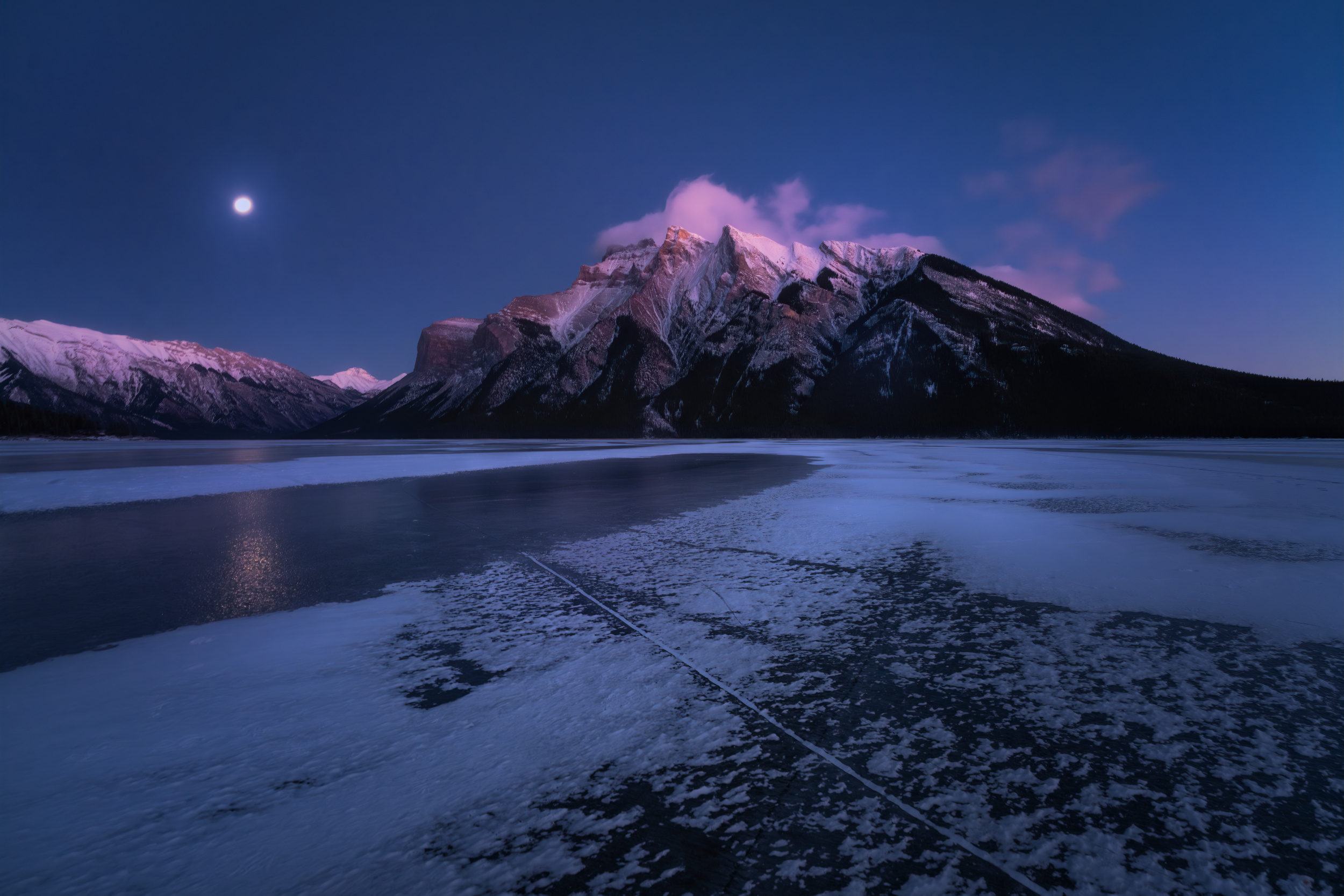
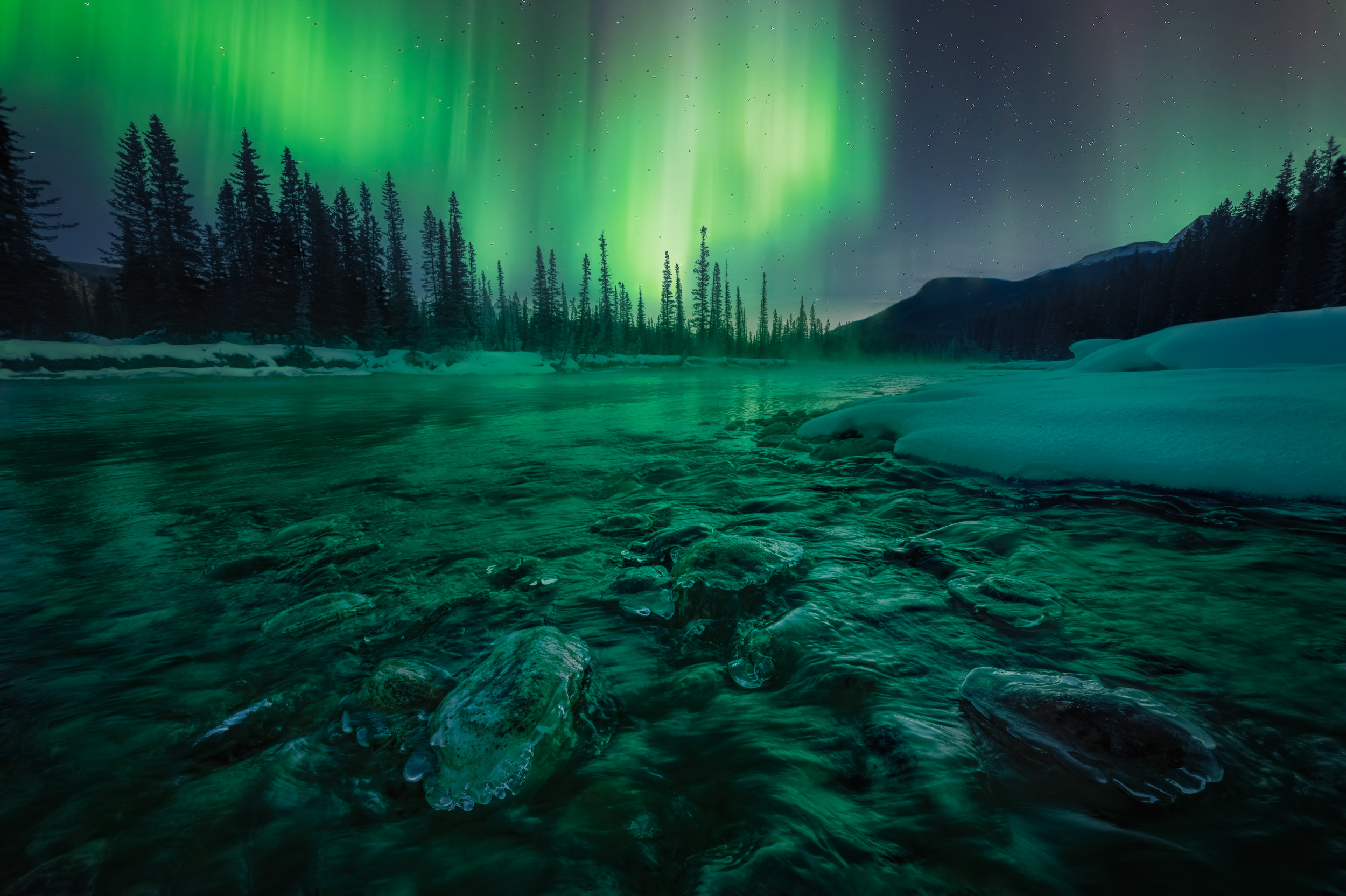
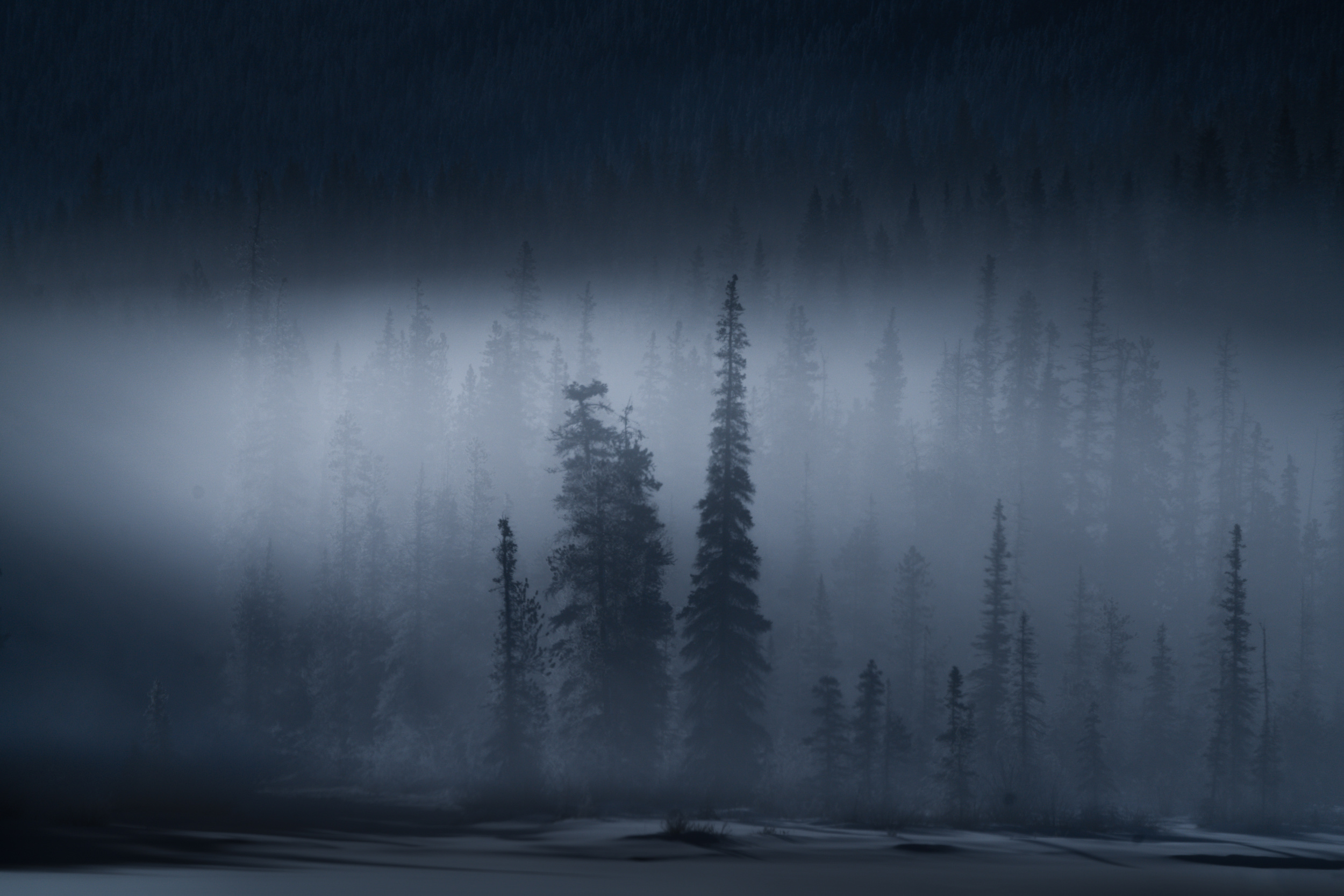
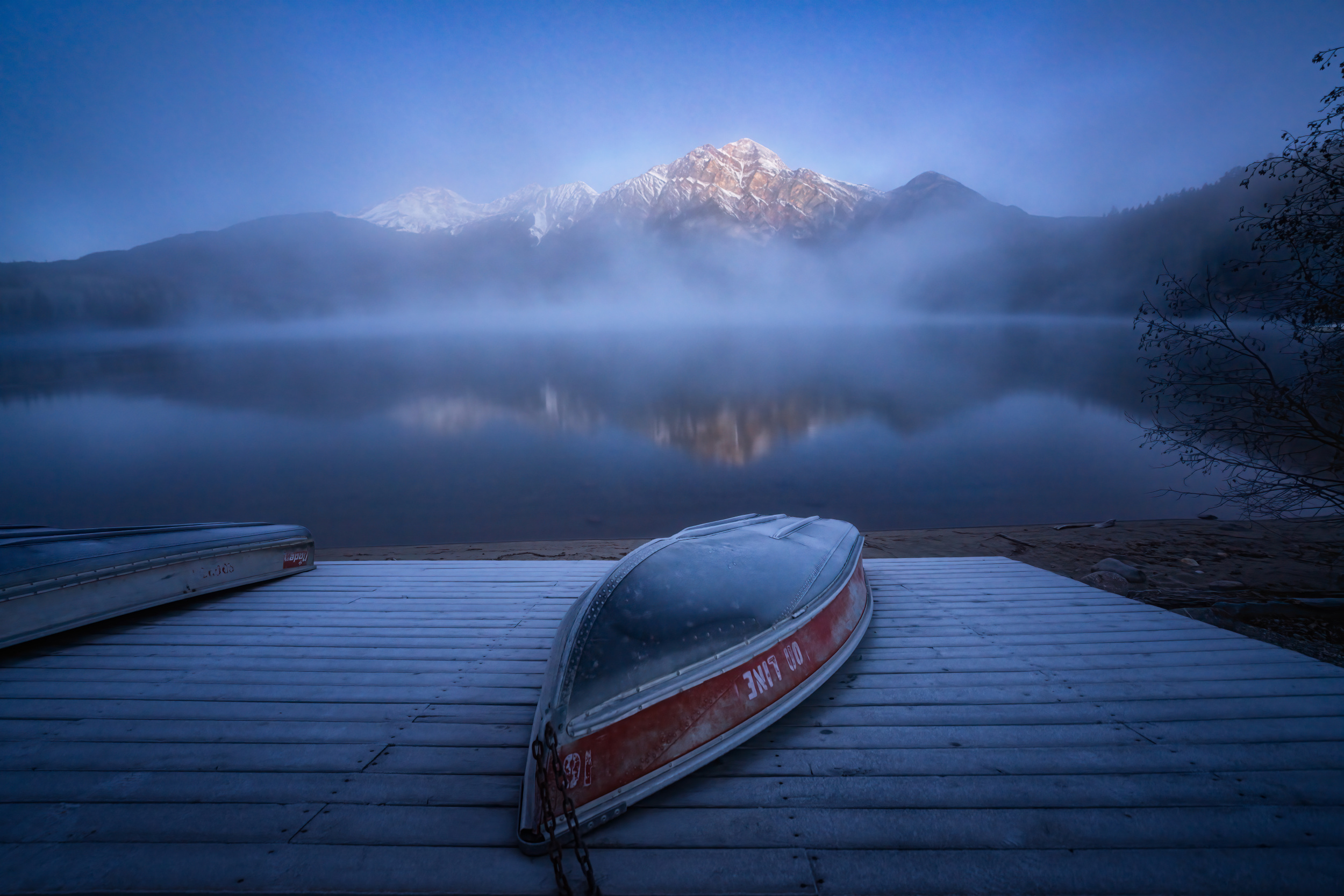
This months' featured exhibition is titled 'My Canadian Rockies' by Yongnan Li
Yongnan Li has also titled his exhibition: Echoes of the Blue Winter Rockies.
He is a landscape photographer based in the Banff area. The blue world of winter when the Canadian Rockies transform into a sublime, deep-blue frozen kingdom, is his favourite subject to photograph.
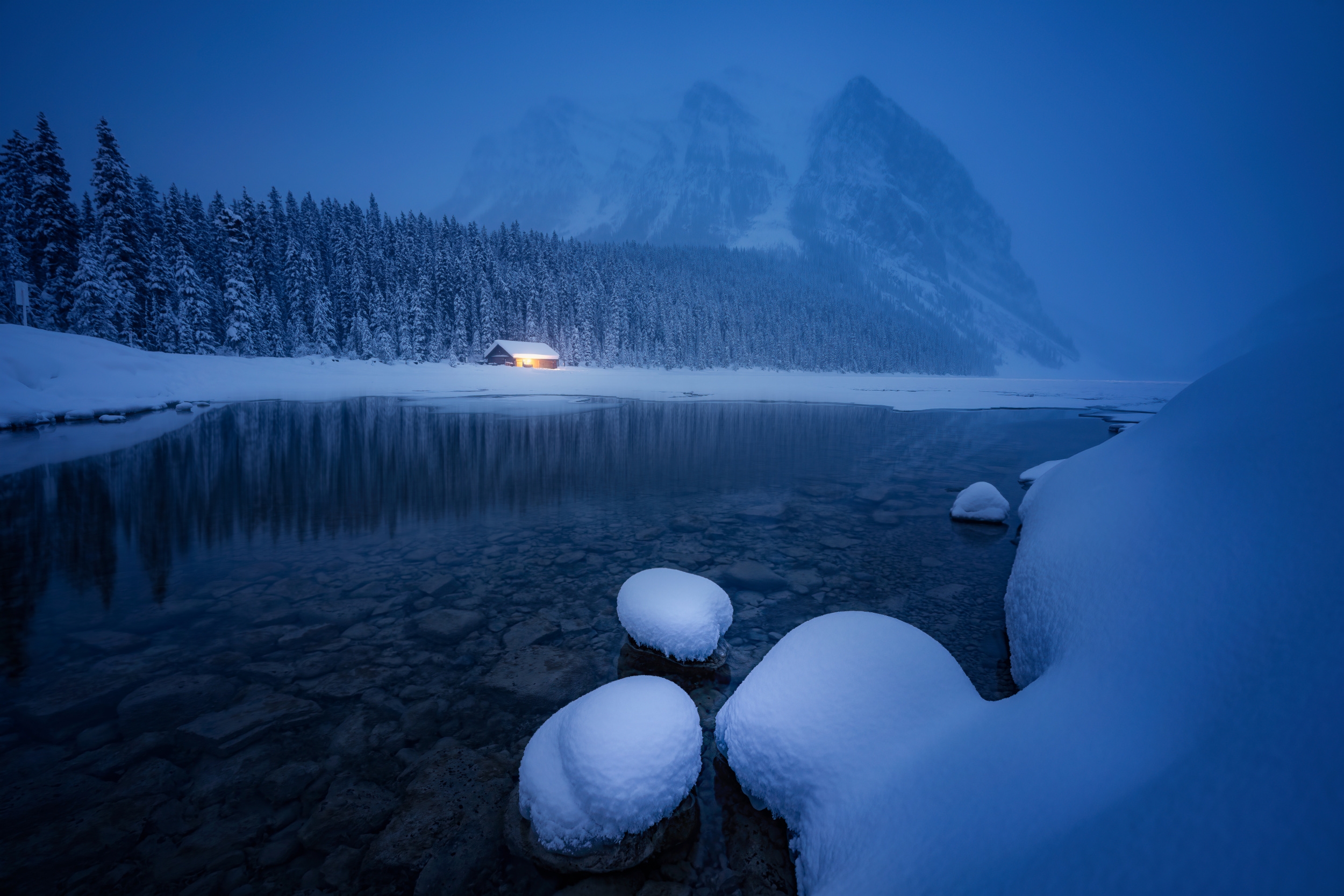
"Blue Hour Lake Louise" by Yongnan Li
Where the Mountains Speak ...
There are places that impress us with their beauty and others that make us slow down, look closer and simply listen. The Canadian Rockies are the kind of place where it is difficult not to be impressed. But photographing such an iconic landscape is another story. The challenge is to go beyond the spectacular view and find something of your own.
In this featured exhibition: My Canadian Rockies, Yongnan Li shares his personal experience of this remarkable part of the world.
Mountains, lakes, forests and wildlife naturally take centre stage, but what I enjoy most is the variety of moments he has brought back with him.
Sometimes it is the scale of the landscape that catches you, sometimes the light or a reflection and sometimes simply the human presence in the right place at the right moment.
There is a genuine enjoyment of nature throughout the series. You get the feeling that Yongnan was not simply looking for photographs, but enjoying the journey and allowing the photographs to come along the way.
It is a beautiful trip through the Canadian Rockies and, above all, a very personal one. I hope you enjoy discovering it!
This exhibition which will be exposed on our opening page / Gallery throughout November 2026.
Click here to see the entire exhibition: [935] Yongnan Li (李永男)
To trigger your curiosity, here is a short selection of images from each chapter ...

|
 | Caroline Bomers PRO Wonderful landscape images, love the magical blue tones. Impressive. Congratulations |
| | Mohammed Alhajri PRO Spectacular framing and magical blue tones. Outstanding gallery!👍 |
 | Naftul Levin PRO Images that are soothing and pleasing to the eye and heart, and are presented with excellent technique and compositions. |
| | Naftul Levin PRO |
| | Naftul Levin PRO Images that are soothing and pleasing to the eye and heart, and are presented with excellent technique and compositions. |
 | joanaduenas PRO Wonderful presentation, stunning photos—thank you so much for sharing. |
 | Beautiful Winter Collection! |
 | Md. Arifuzzaman PRO Fascinating! |
 | YANGYING PRO Excellent |
 | Magical and Breathtaking Landscape Photography |
 | Mei Xu PRO Amazing collection of Canadian Rockies. Congrats! |
 | Wanghan Li PRO Excellent and beautiful! |
 | Bertrand RENAUD PRO Beautiful set. We often see these places in summer, great to have thess winter images, a completely different feeling. |
 | hansenhan PRO 听过李老师的课,风光大师 |
 | Lucie Gagnon CREW Superb images! |
 | Amazing images! Congratulations! |
| | Miro Susta CREW Wonderful photos from fabulous part of our planet |
 | Alhadhoud PRO nice shot … congratulations |
| | Congratulations. Love. |
 | Jenny L. Zhang PRO Congratulations! Such a beautiful collection of Canadian landscapes. Well deserved! |
 | Ruiqing P. PRO Stunning Rockies collection, congratulations! |
 | Nichole Chen PRO Stunning images, congratulations! |
 | Michelle Gervais PRO Wow! You have beautifully captured some of Canada’s stunning landscapes. |
 | Norbert Maier PRO Beautiful images! |
by Editor Michel Romaggi
Edited and published by Yvette Depaepe, the 30st of October 2026
Today, the car tends to be just a tool like any other, despite having been a symbol of emancipation, freedom and dreams for generations. Yet it continues to inspire photographers. Whether it occupies a central place in the image or blends into the scenery, it offers multiple possibilities for interpretation.
PORTRAIT
Old cars, abandoned cars, luxury vehicles, utility vehicles, family cars and sports cars can all become the subjects of a portrait gallery.
 “You will smell him passing ….” by Peter Ebel
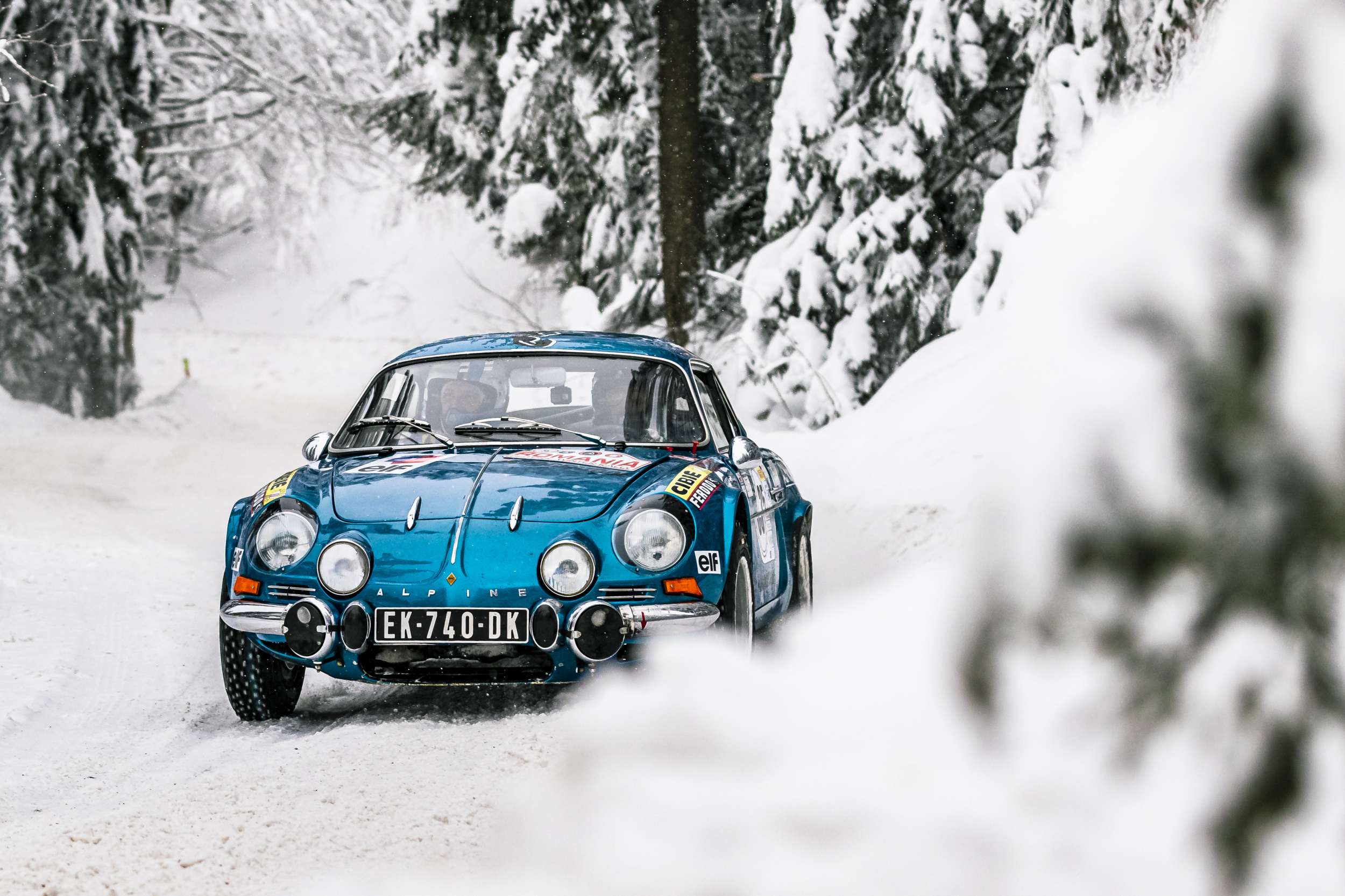
“Alpine” by ATTILA SZABO
The photographer can either show them in their entirety, or focus on a specific detail of their anatomy.
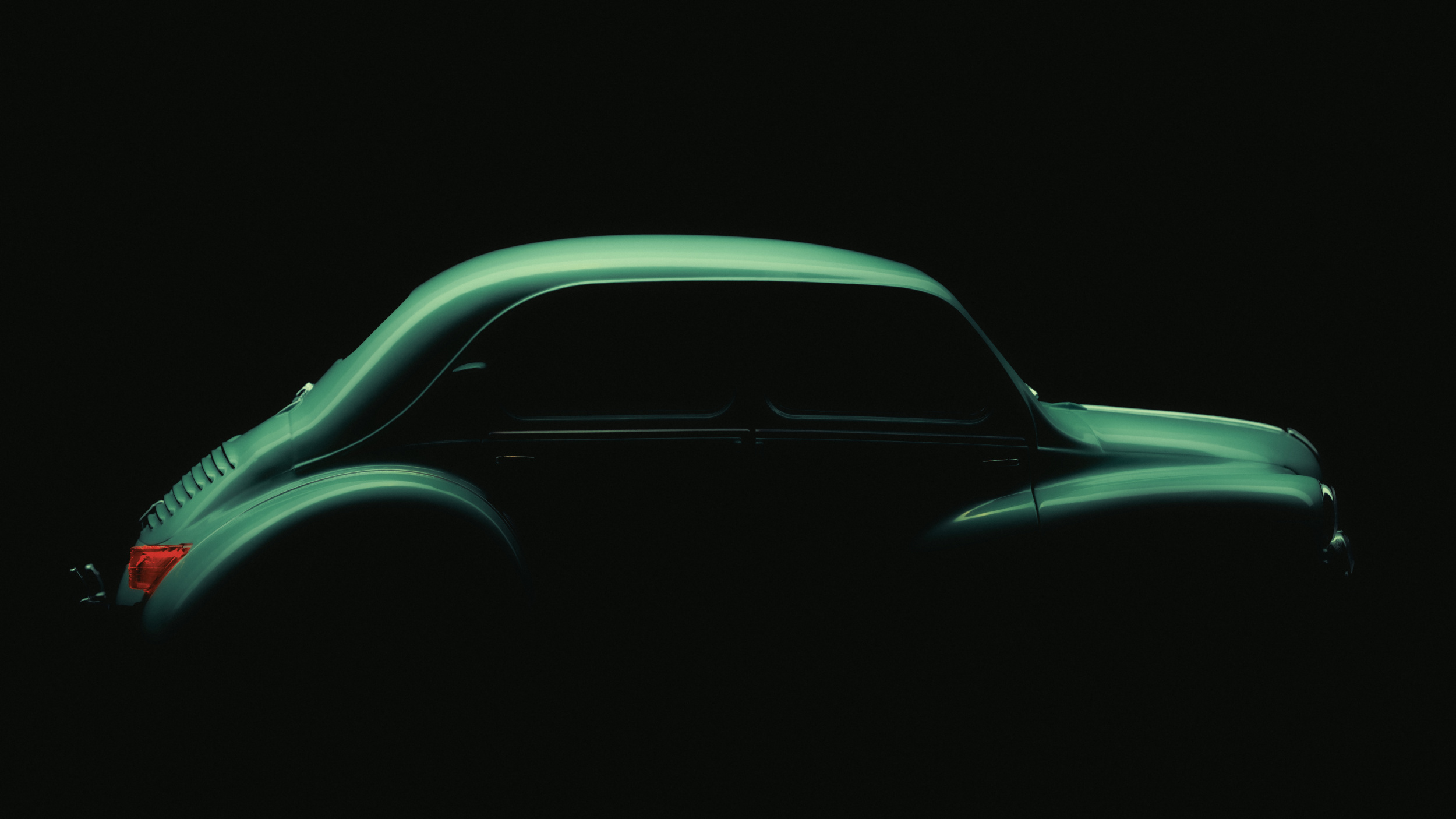
“Renault 4CV” by Rico Cavallo
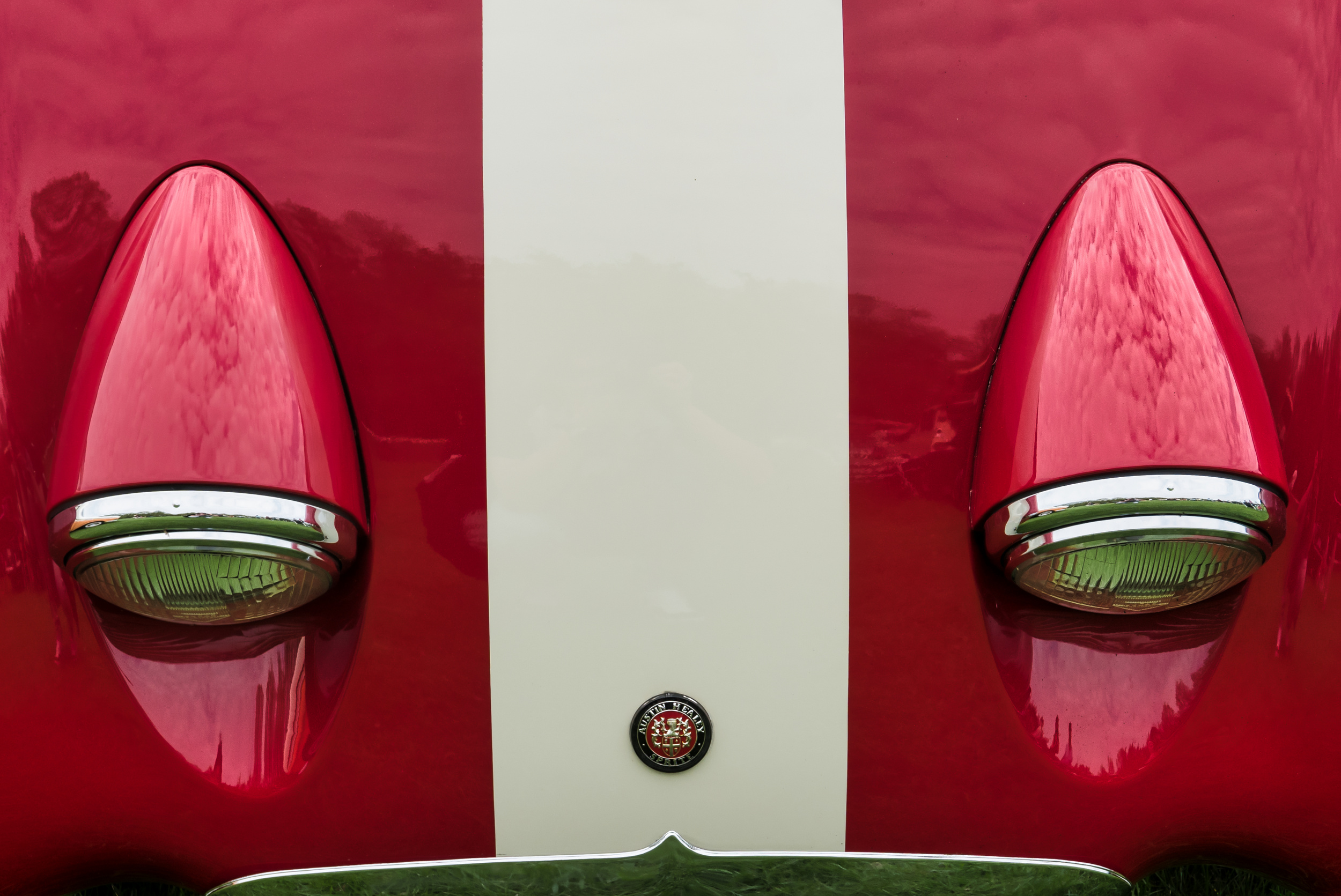
“Austin Haeley” by Mr.G.

“US classic car Sedan Deville 1959 tail fin abstract” by Beate Gube
Classic cars are a popular subject,
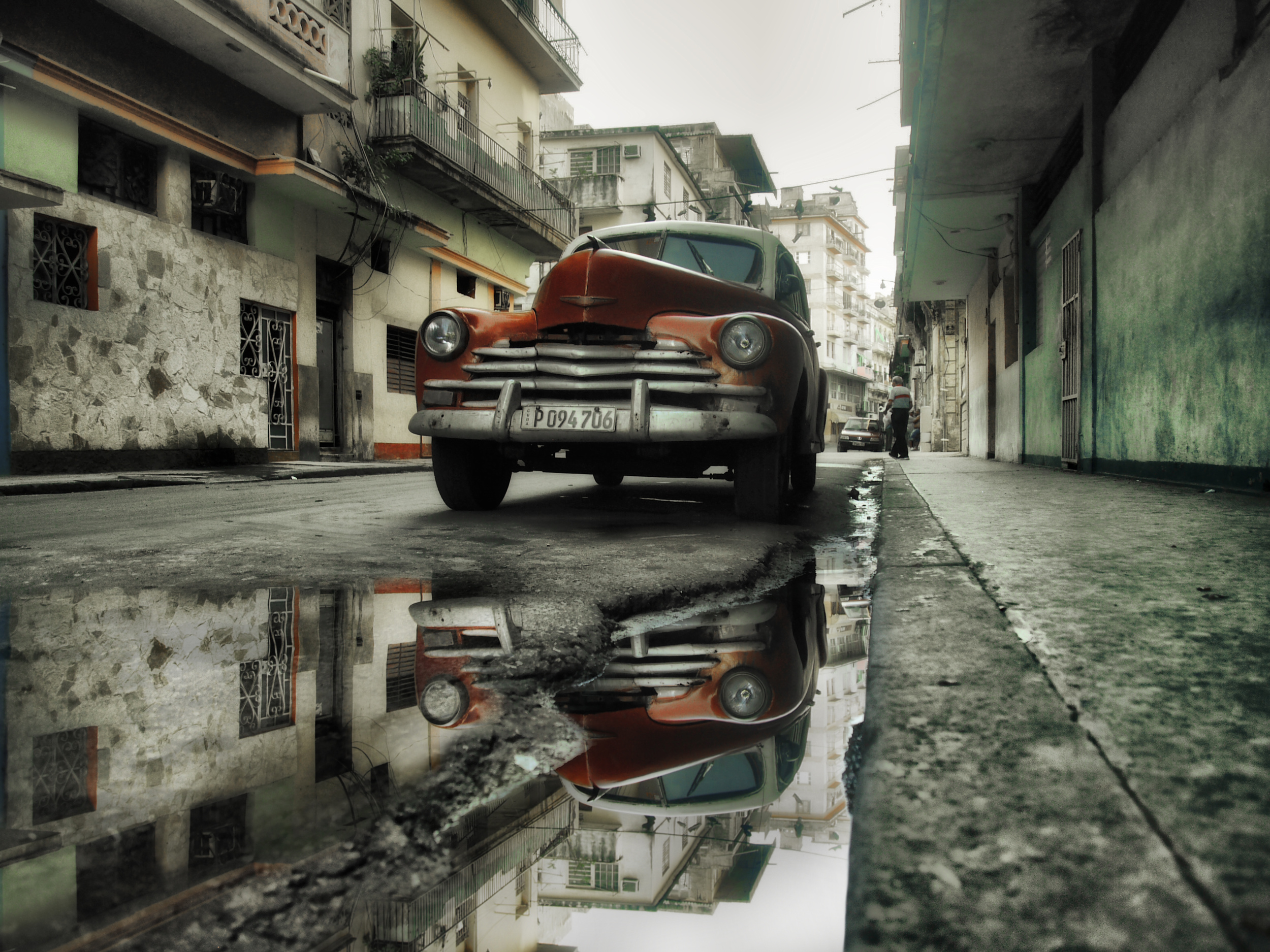
P 094706 by Svetlin Yosifov
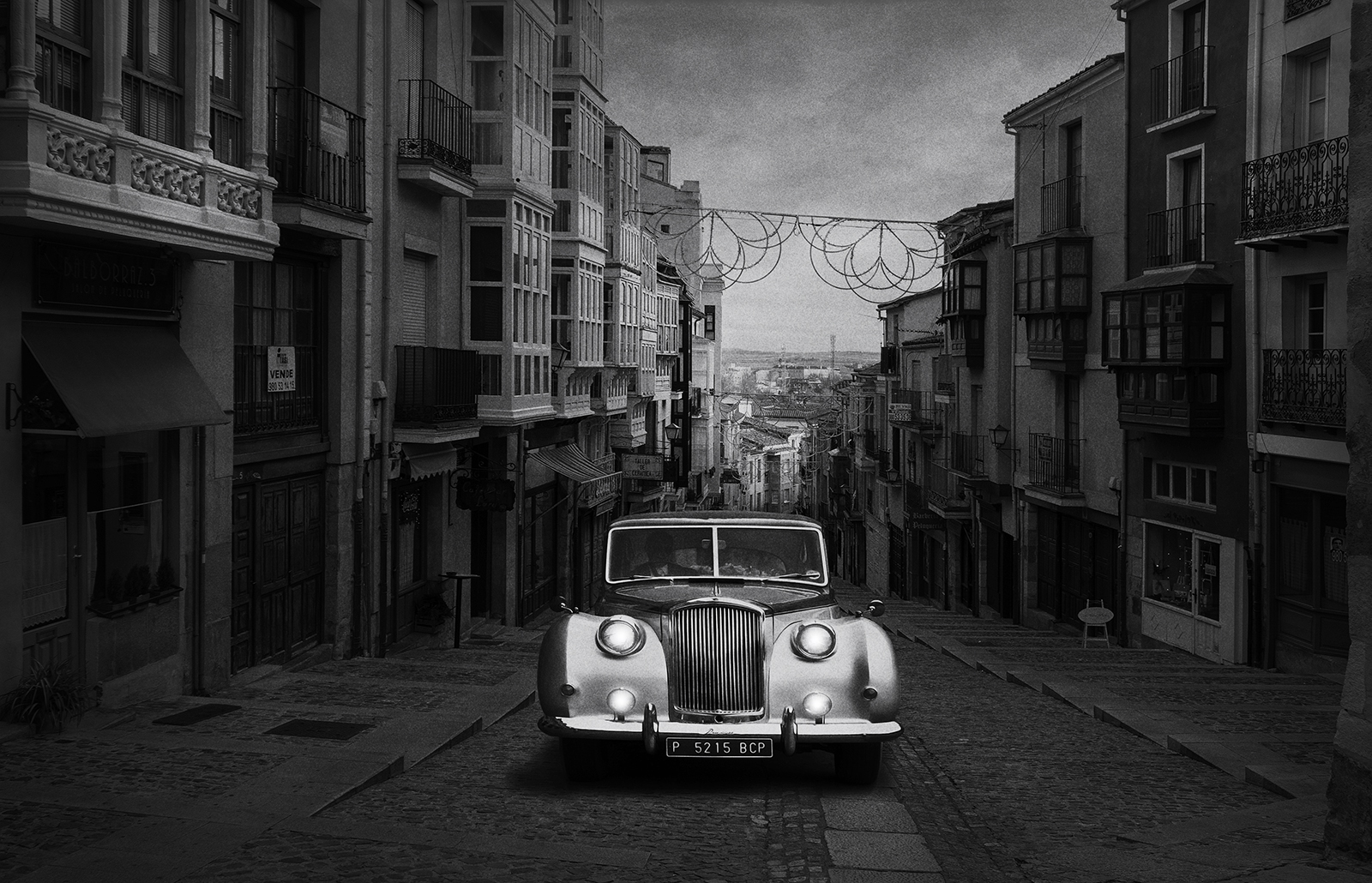
“The bride’s car” by Jose C. Lobato
Even more so when they are abandoned. Once symbols of modernity and progress, they gradually become objects marked by time, covered in rust and sometimes overtaken by vegetation.

“red forest” by Holger Droste
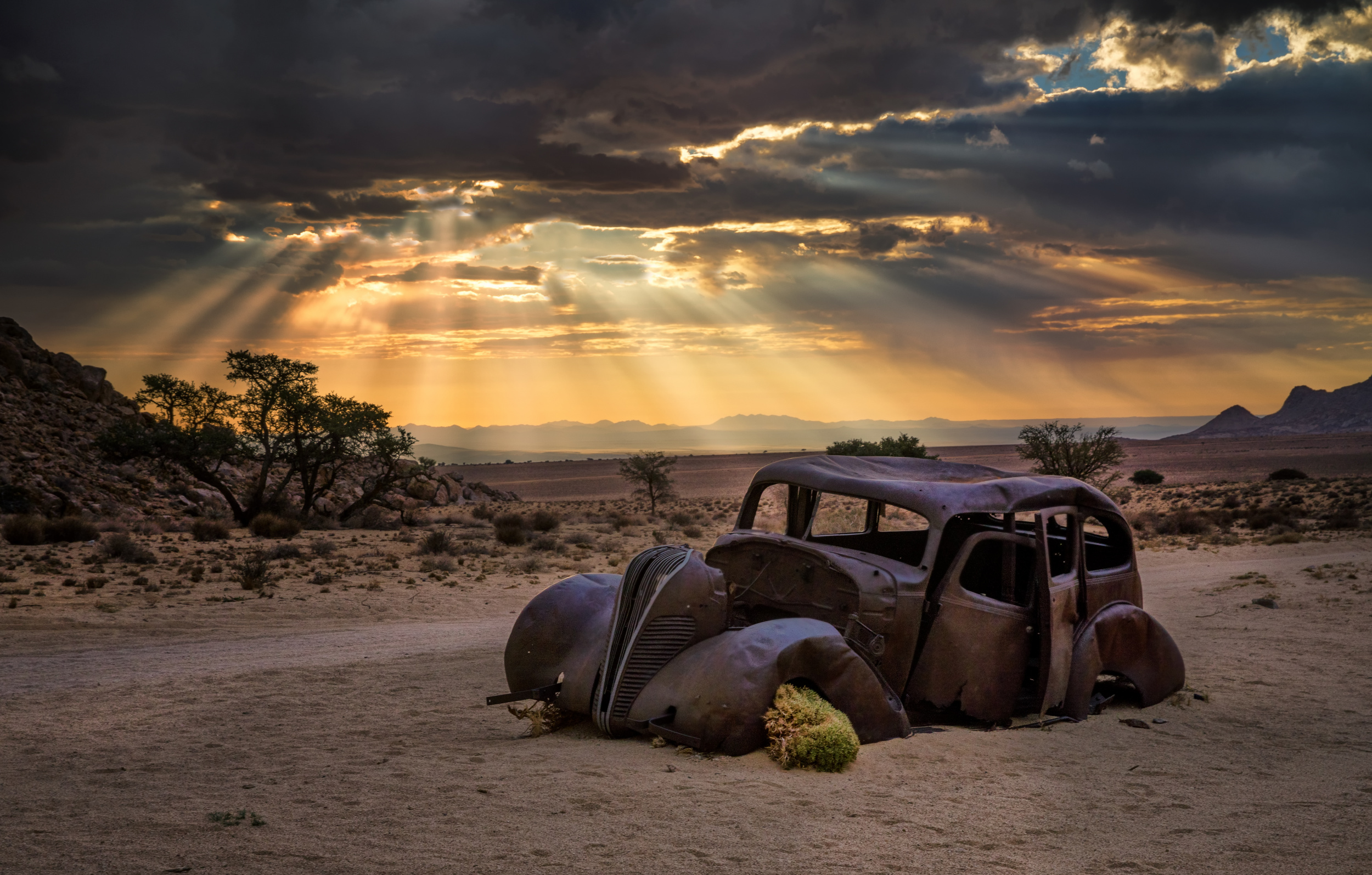
“The Old Hudson” by Anne Berger
IN MOTION
Movement can be the focus of an image. Rather than simply photographing a car, the focus becomes capturing the feeling of speed, the energy of movement, or the transience of a moment.

“Cab” by Masatoshi Ujihara
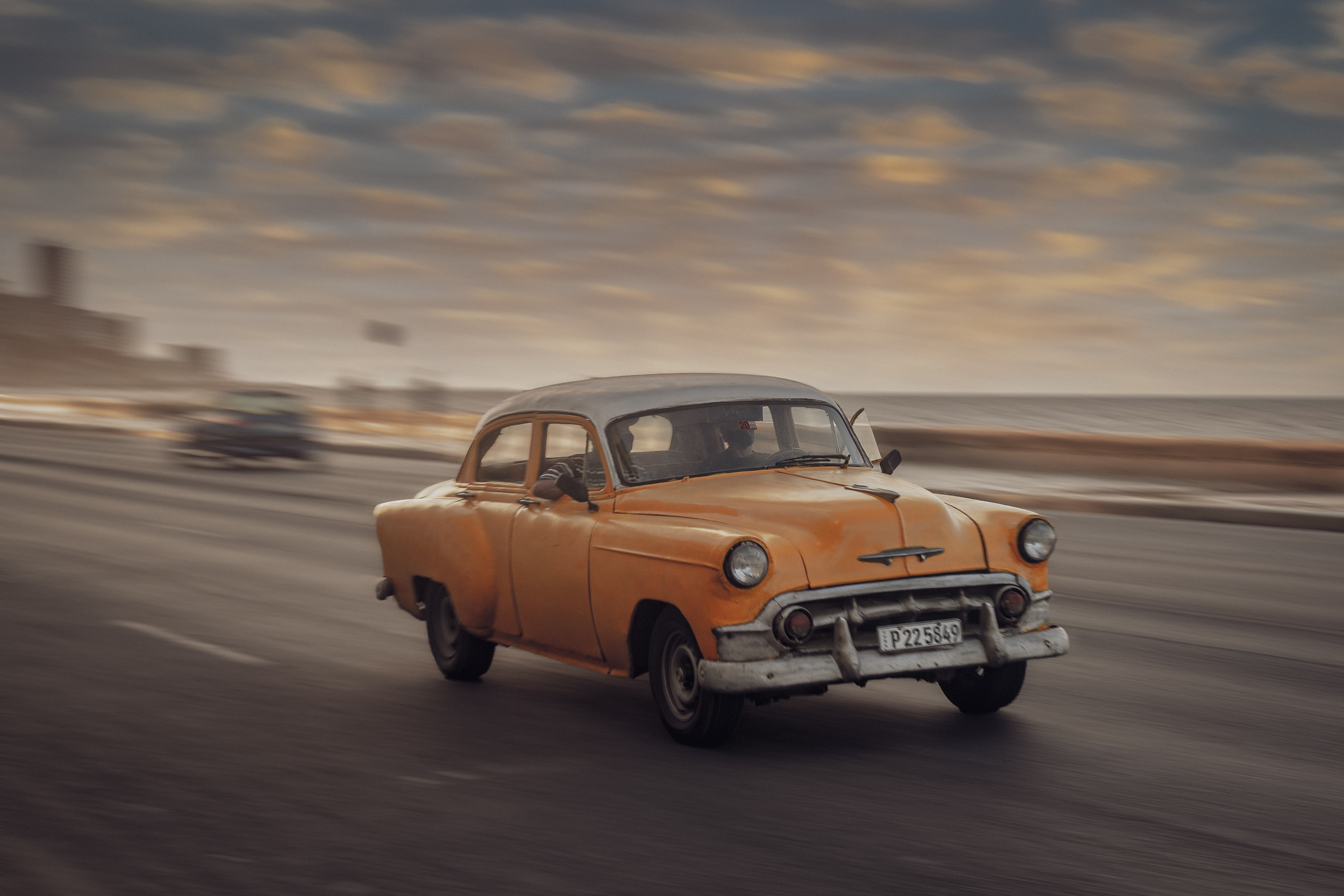
“Malecon” by Andy Bauer
IN THE NIGHT
Headlights, taillights, deserted car parks, petrol stations and illuminated roads, as well as reflections on wet tarmac, form a visual universe in which the car can appear as a silhouette, a light source or a mysterious presence.
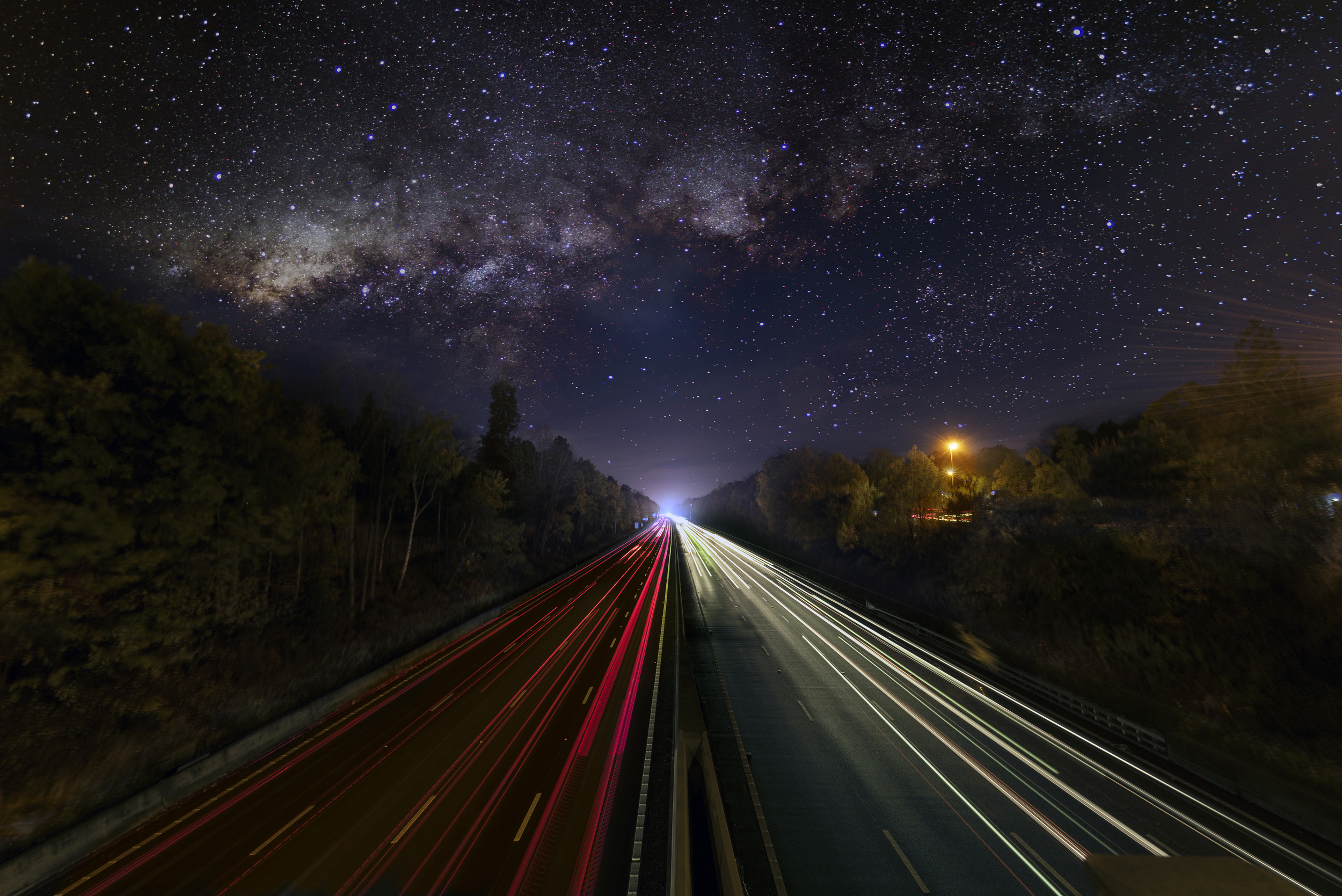
“Freeway to he Stars” by Peter Davidson

“In the theeth of cold winds” by Yvette Depaepe
THE CAR AND THE HUMAN BEING
A hand on a steering wheel, someone cleaning their car, a driver seen in their rear-view mirror, someone waiting inside, or a family travelling: these are just some of the scenes that illustrate the uses, habits, and emotional ties associated with the automobile.
The car then appears as an extension of the individual, a social marker or an element of their identity.
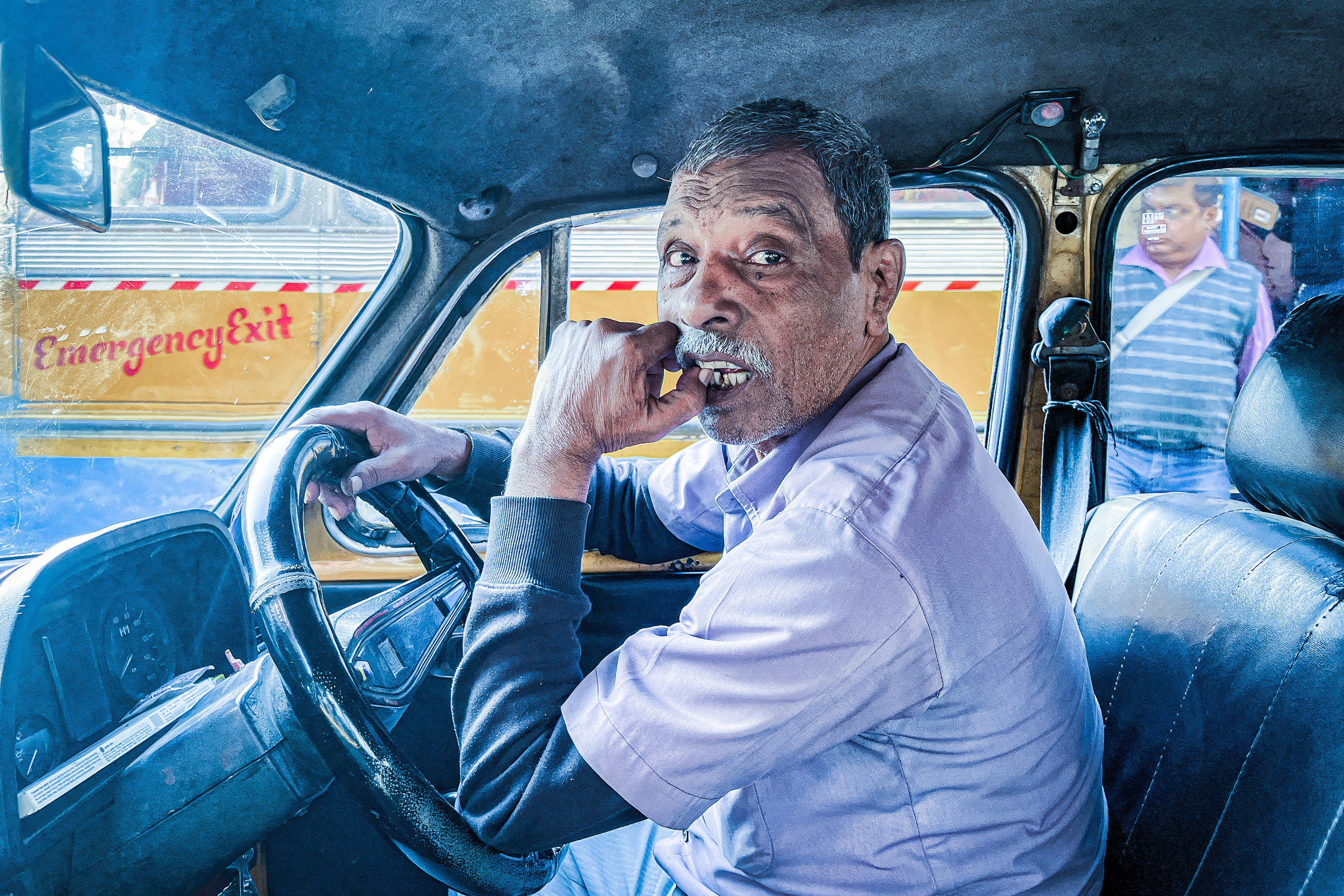 “Portrait of a taxi driver” by Subhajit Das
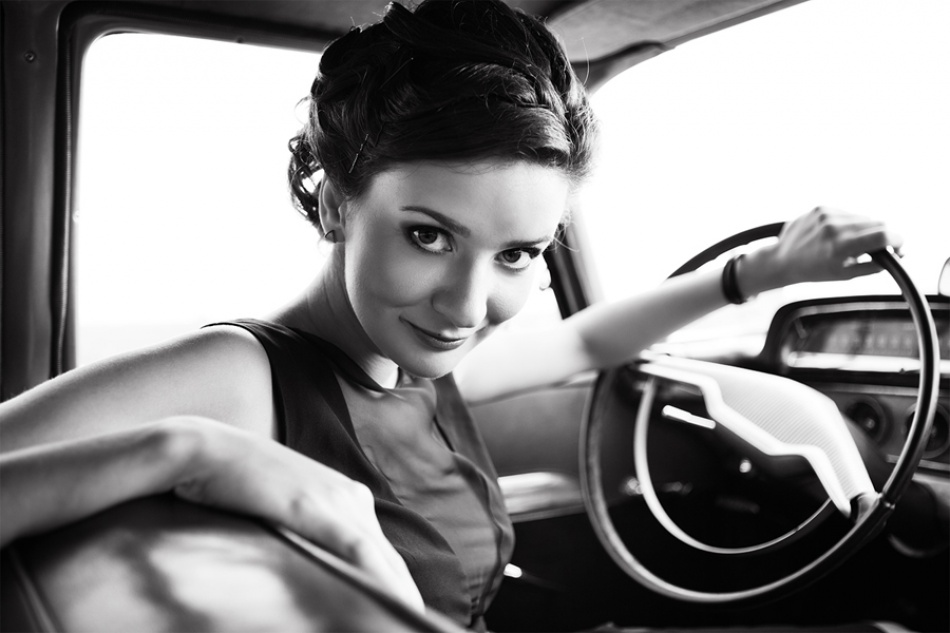
“drive” by fyb
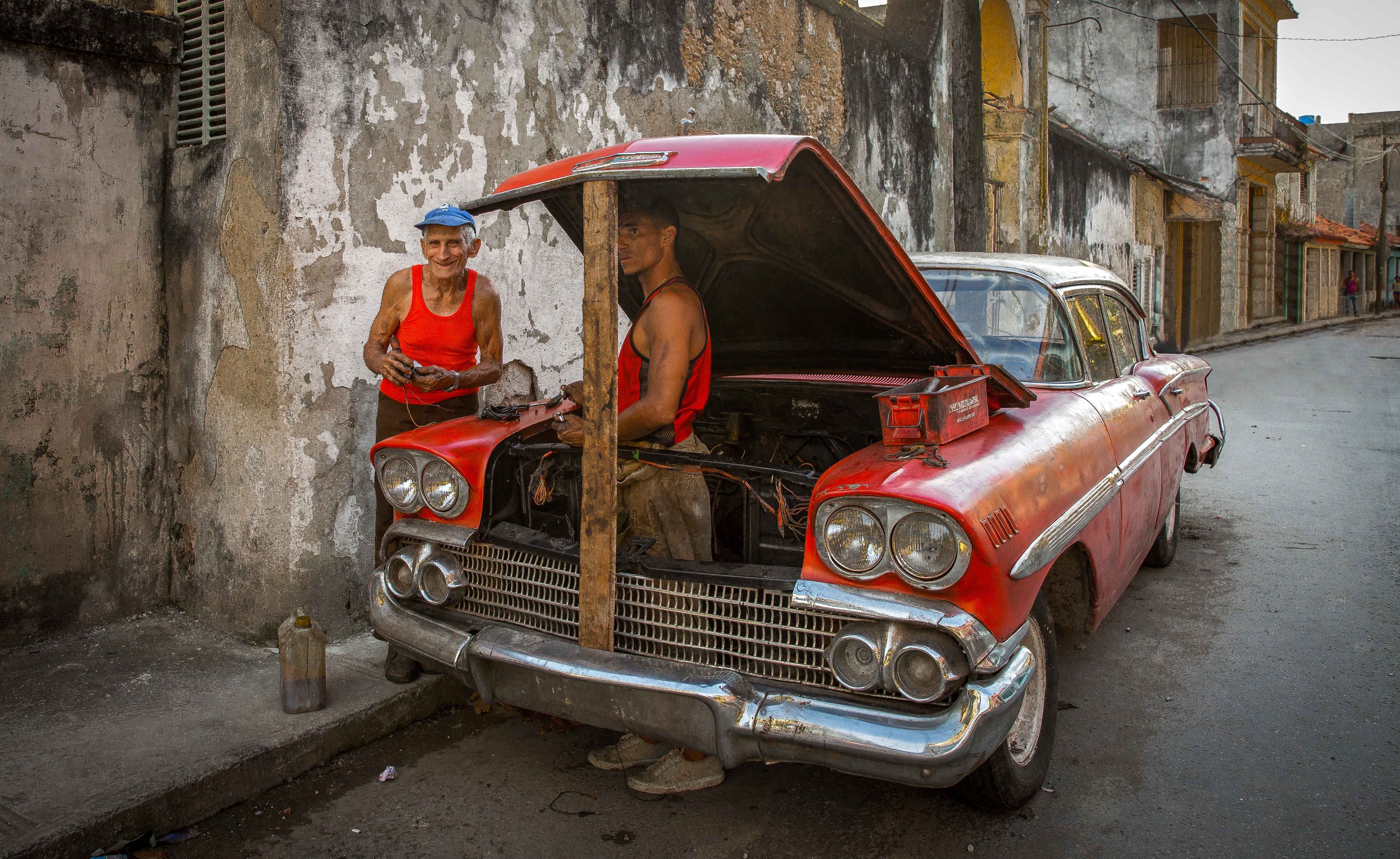
“Car Repair” by Inge Schuster
AN INTIMATE PLACE
The cabin is a world unto itself, occupying a space halfway between public and private. The interior of the car thus becomes a place for solitude, waiting, reflection or escaping the outside world.
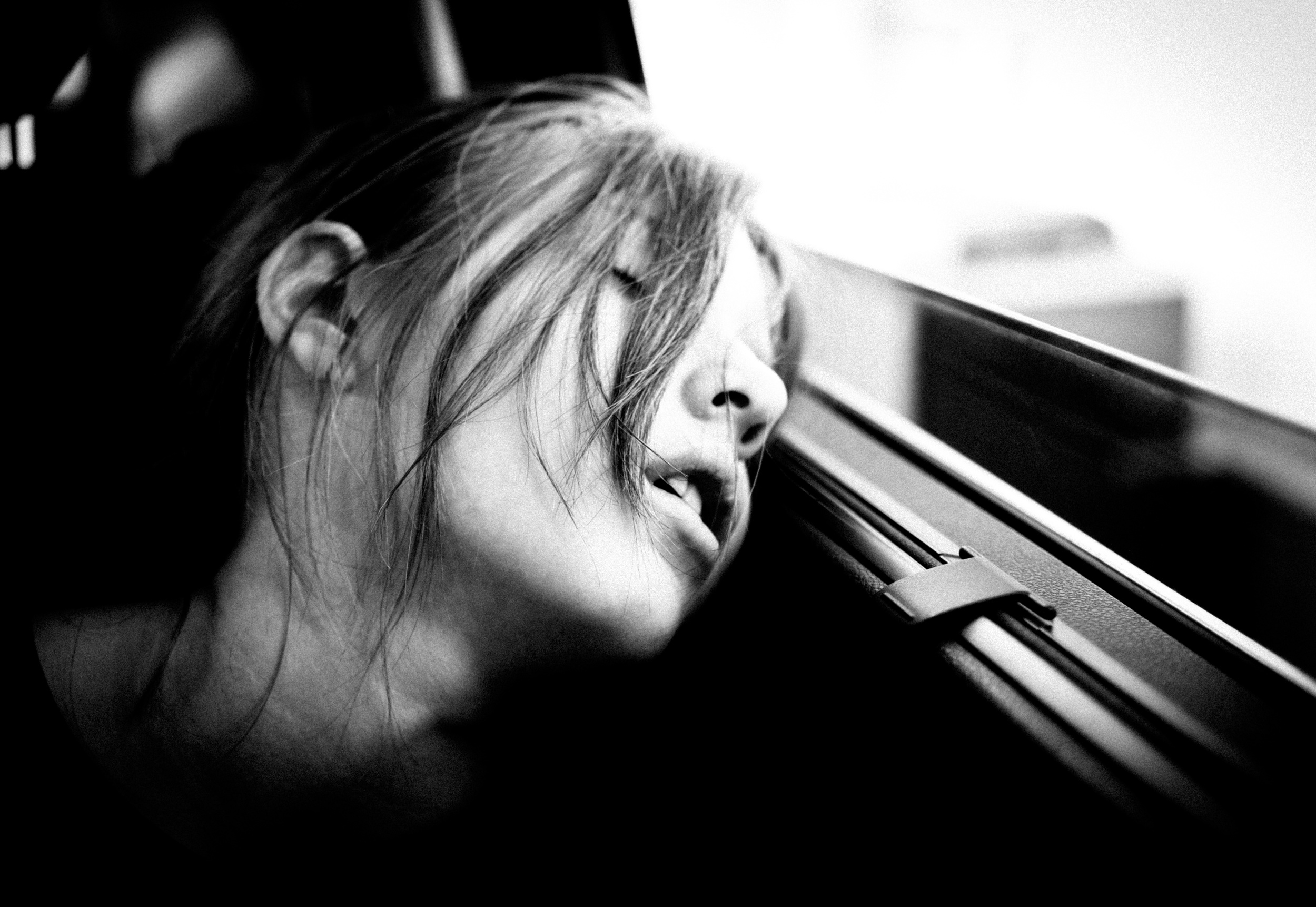 “Asleep” by Stephanie Kleimann

“Reflection” by Vasil Nanev
REFLECTIONS

“America is watching you” by Hervé Loire
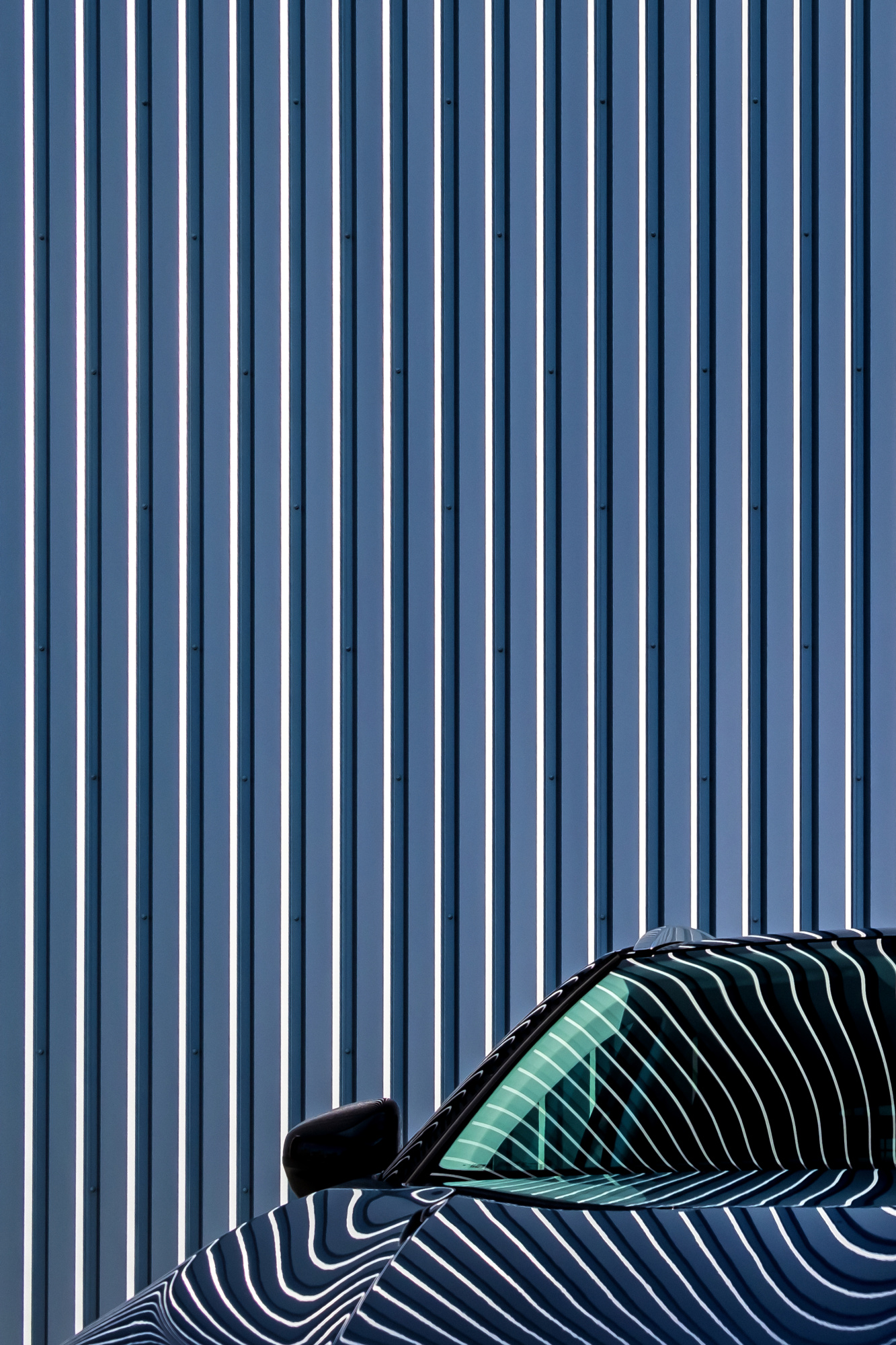
“Car & Wall” by Lus Joosten
THE CAR AND LONELINESS
An isolated car in a vast environment, such as a deserted countryside, beach, mountain or arid landscape, or an empty car park. Faced with such vastness, the vehicle may appear insignificant and vulnerable, or it may embody a promise of freedom and escape.
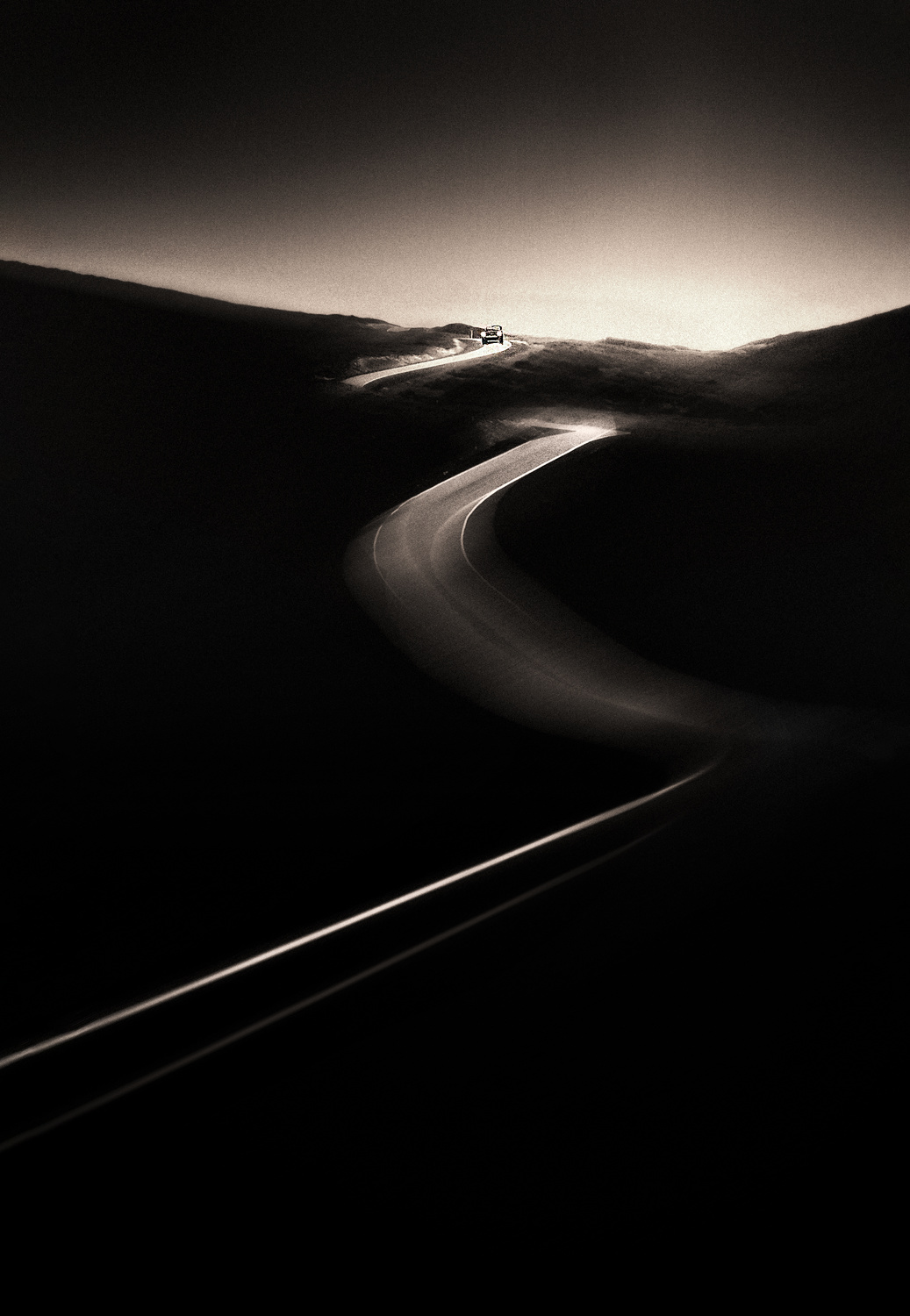
“Down the road” by Larry Deng APA
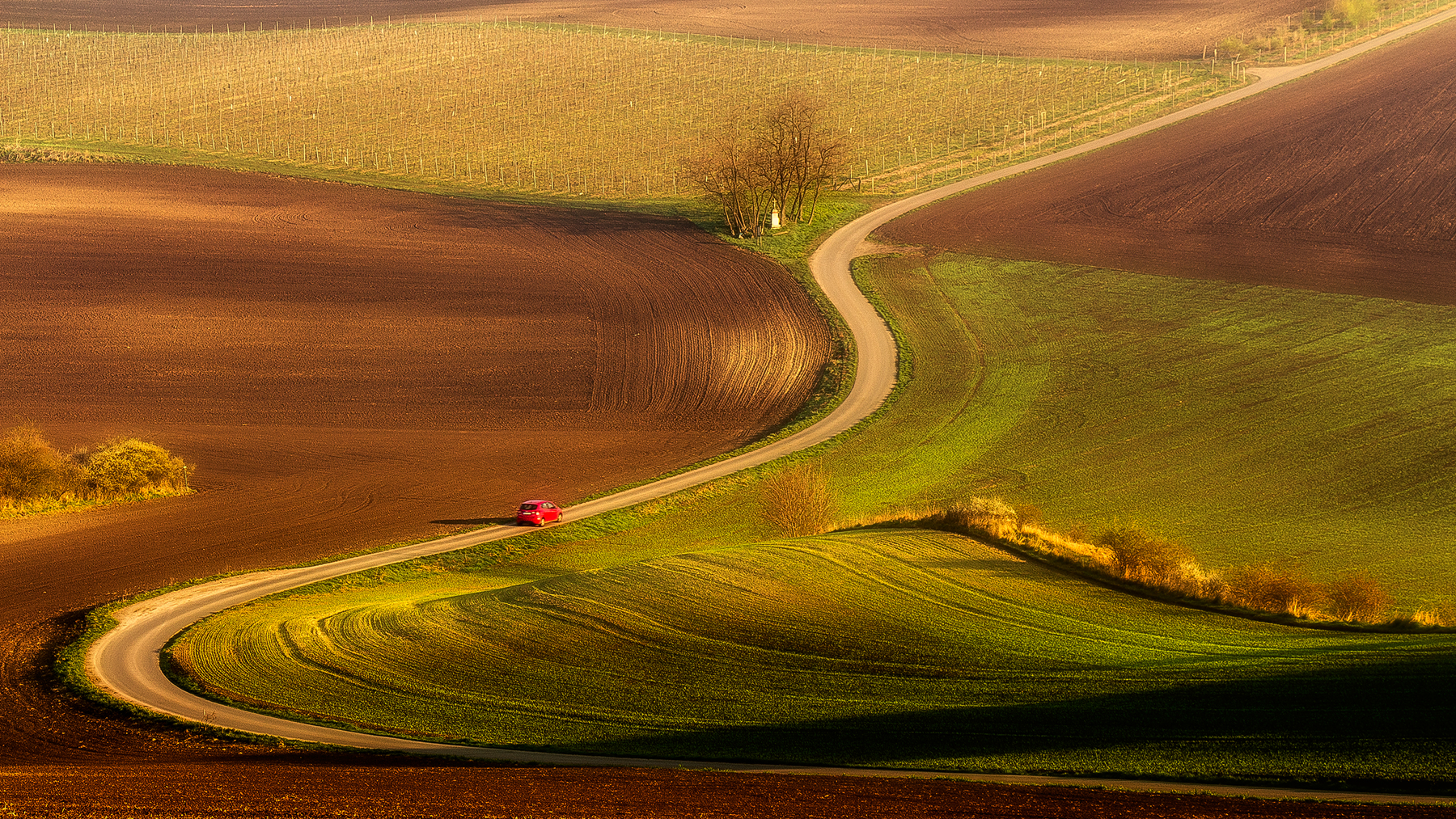
“The Moravian Serpent” by Izabela Laszewska-Mitrega / Darek Mitrega
THE TRACES
We no longer photograph the cars themselves, but rather the traces they leave behind. The car itself is not necessarily visible. Instead, it is suggested by what remains after its passage, or by the space it has momentarily occupied.
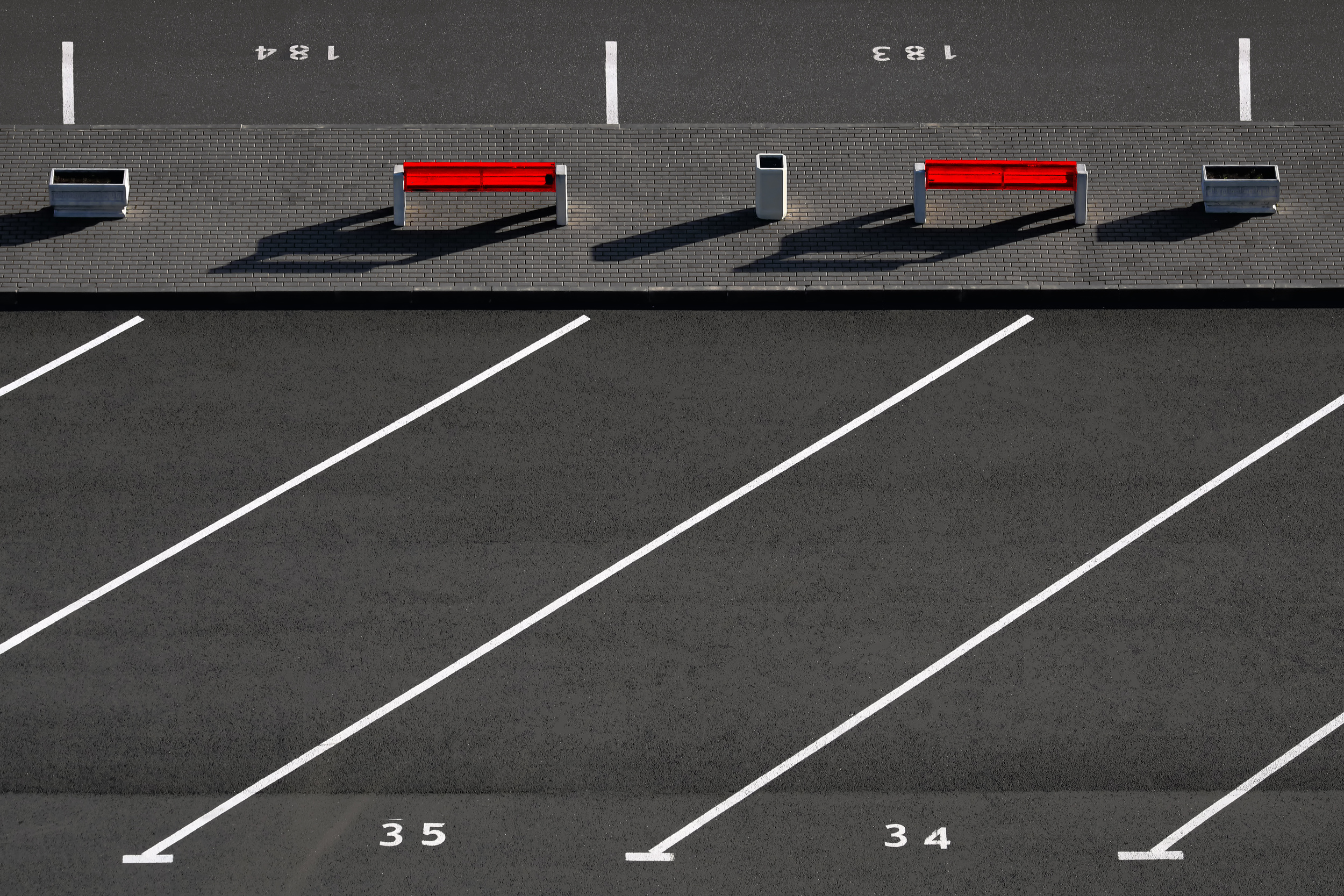
"Parking Bays” by Hans-Wolfgang Hawerkamp
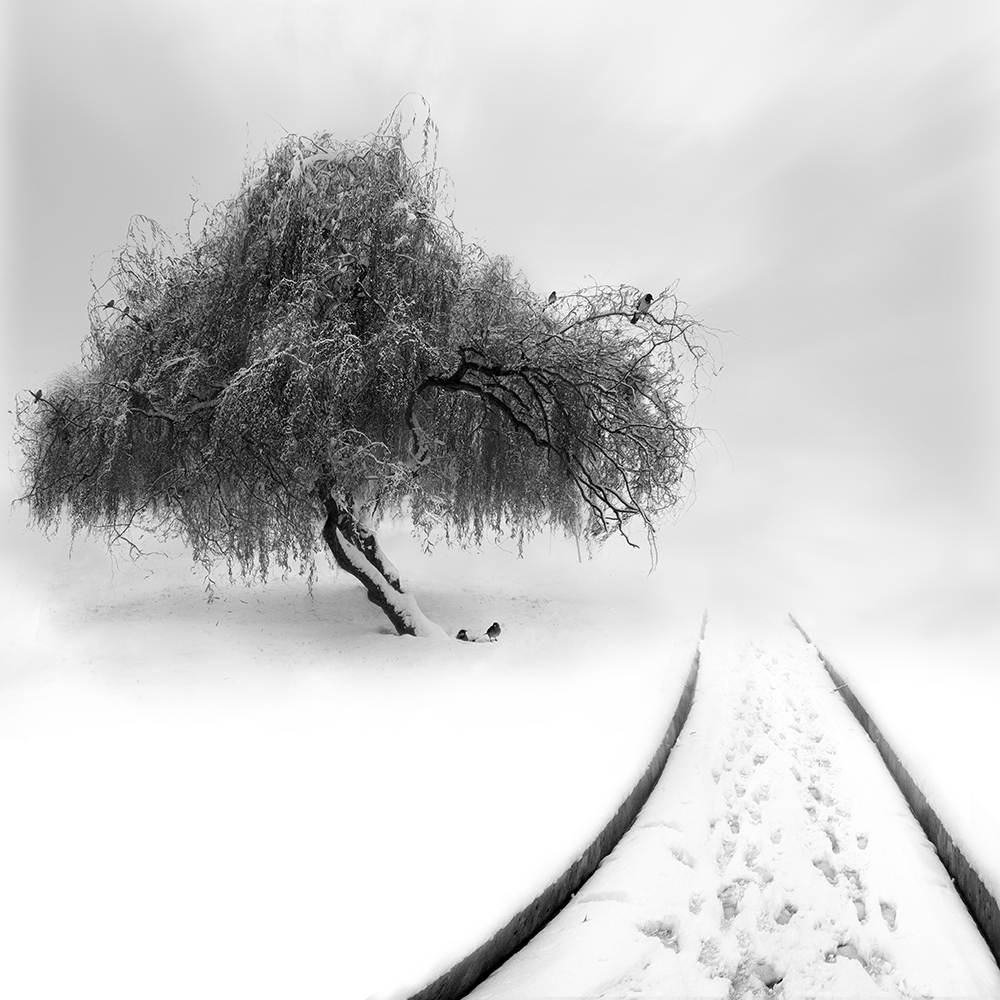
Untitled by Sherry Akrami
AN ELEMENT OF THE LANDSCAPE
A photograph does not always have to feature a car as its main subject. It can also blend into the background, become a secondary element, or help to create a balanced composition.
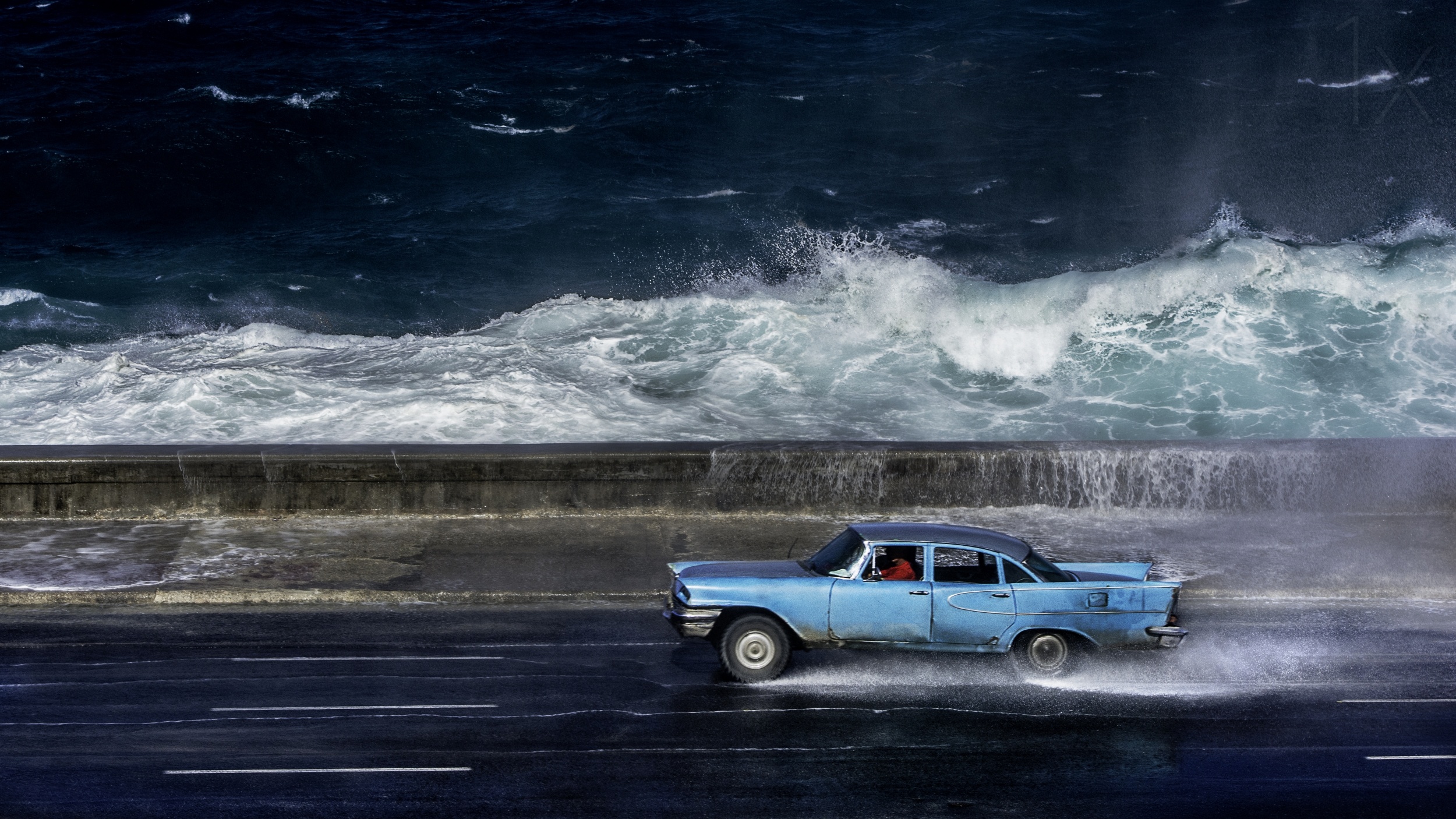
“no1” by Alper Hasan ÜKE
Sometimes, it adds scale, colour or a human presence to a landscape.
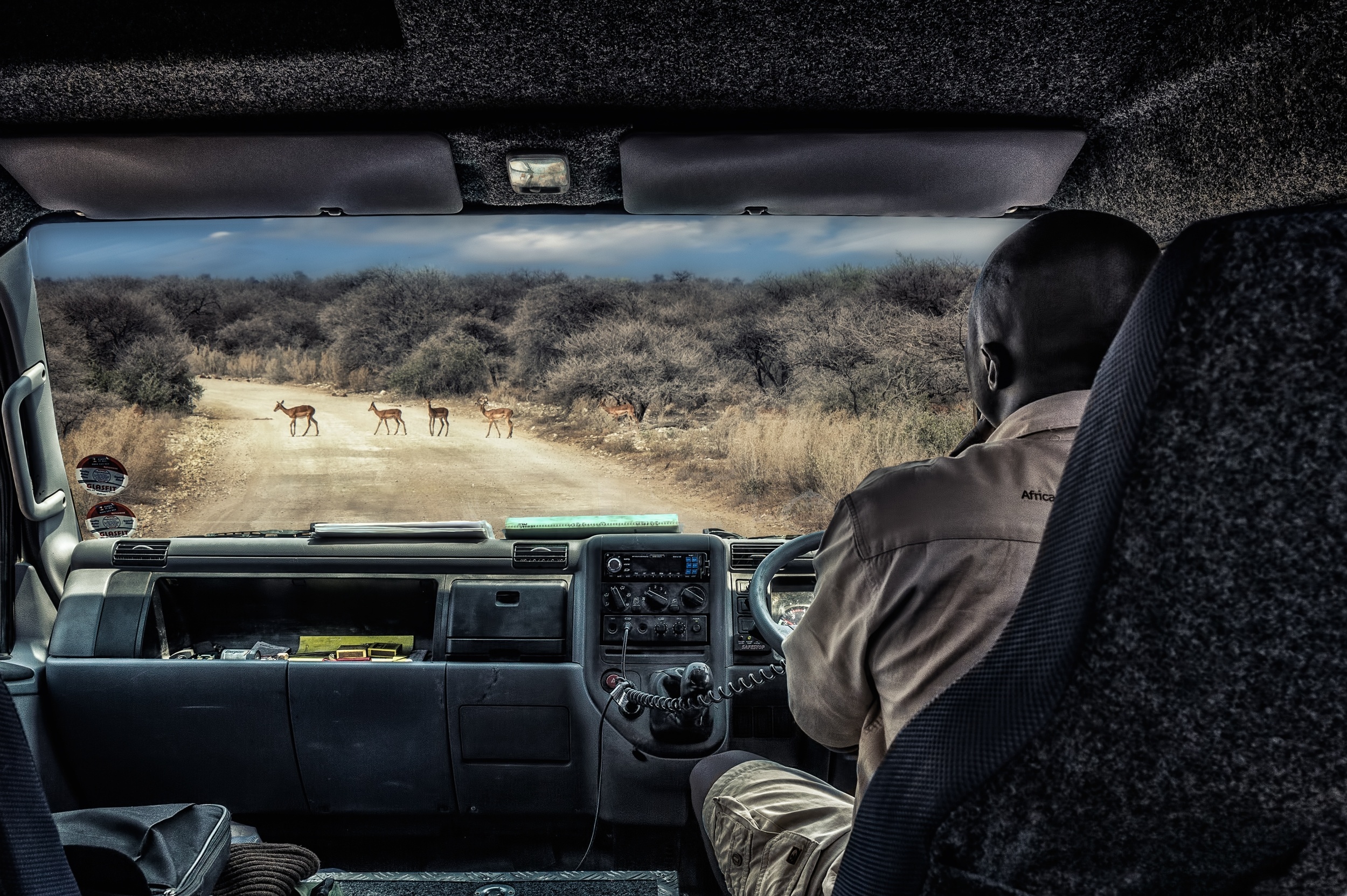
“hors des sentiers battus” by Piet Flour
In other cases, it is part of a minimalist urban scene or becomes an almost imperceptible detail.
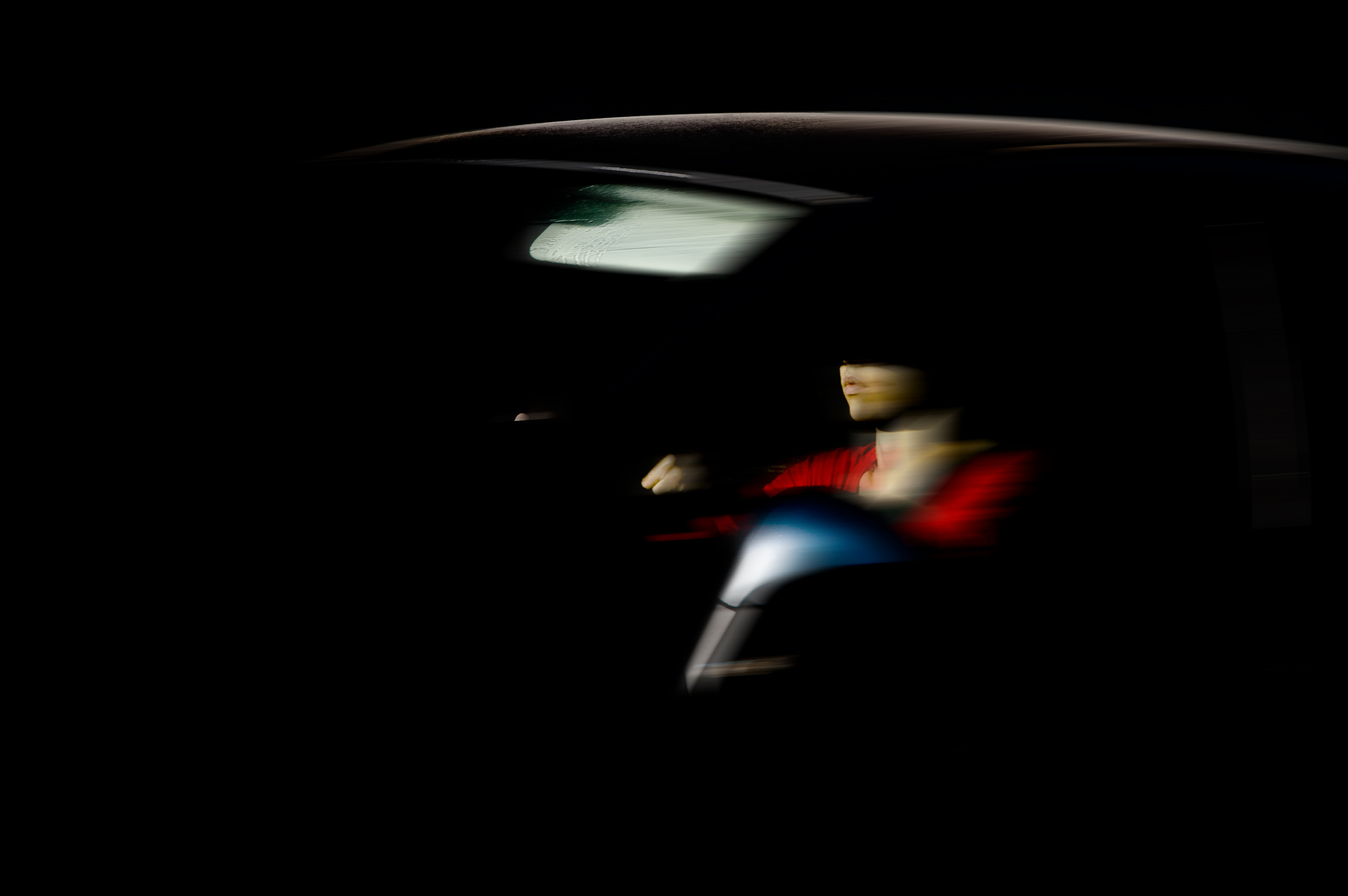
“go” by Alfredo Caridi

“Walk alone” by Marius Cinteza
Aerial photography, particularly with the help of drones, provides a unique viewpoint. When viewed from above, cars lose their individuality and become just another form.
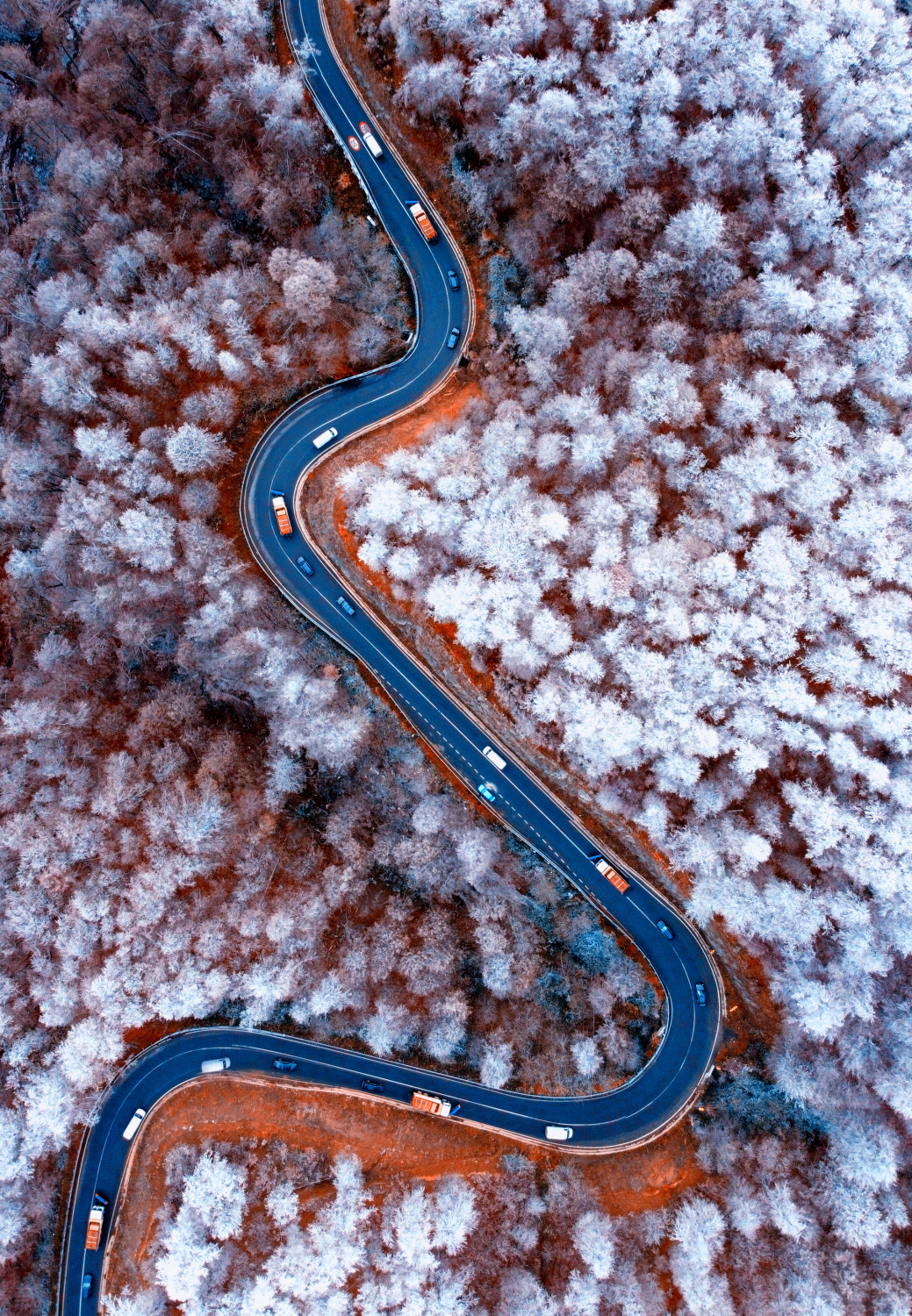
“Repetition” by Mihai Bogdan R
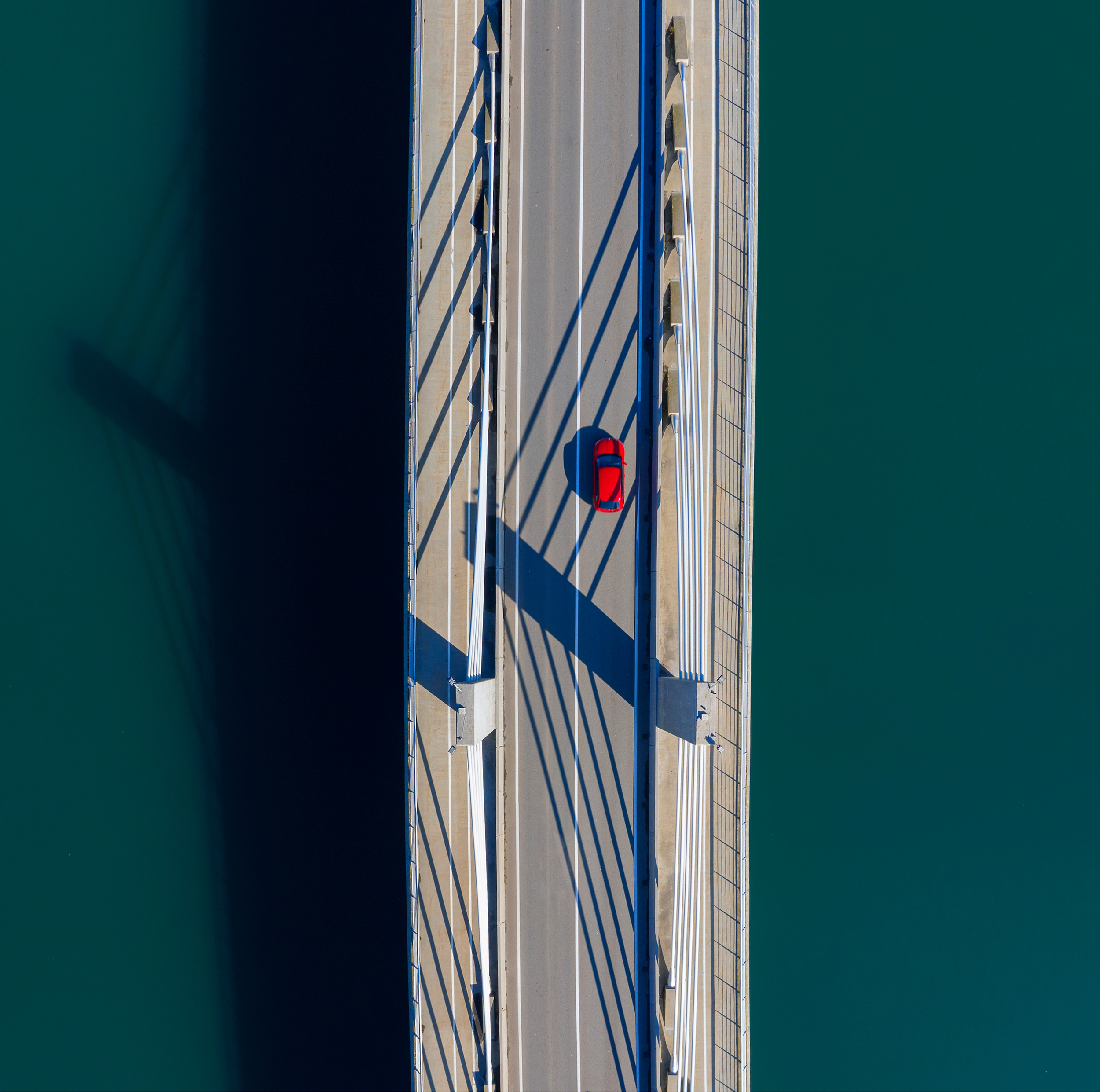
“Bridge” by Jure Kravanja
Vehicle alignments and saturated car parks can create almost abstract paintings, where the cars blend into the image's lines, rhythms and patterns.

“Trafic Jam” by Wayne Pearson

“Parking” by Jure Kravanja
It can also be the subject of creative production, allowing the creator to let their imagination run wild.

“Destruction of the environment” by Sulaiman Almawash

“FireStorm” by Marcel Egger
These different approaches transform the car from a mere photographic subject into something much more significant: a means of viewing our daily lives differently.
|
| | Jay Satriani PRO An extraordinary collection of car photographs that presents a journey through time—showcasing vintage vehicles that were nearly forgotten, yet have endured to this day, retaining a profound artistic value. Each photograph seems to hold its own unique story and set of memories, conveying a message that truly touches the heart.
The selection of photographs is exceptional, capturing the diverse narratives and the inherent beauty behind every vehicle. My thanks go to Editor Michel and my old friend, Yvette, for bringing this beautiful story to life. It is a work that transcends the subject of cars; it is a reflection on time, memory, and life itself |
| Michel Romaggi CREW Thank you for this kind comment , Jay |
 | Thank you Yvette! Thank you Michael!
Beautiful images selection! Congratulations to all! |
| Michel Romaggi CREW We are pleased that you like it, Mihai |
 | Paula Iliescu PRO What an absolute delight! This wonderful collection offers such a rich variety of perspectives on what might seem like an ordinary subject. From the energy of motion to the beauty of the smallest details, from nostalgia and mystery to almost abstract compositions, each photograph tells its own story and invites us to see the automobile in a different light.
A truly remarkable collection, where creativity, sensitivity and diverse photographic visions turn the everyday into art. Congratulations to all the photographers, and to Michel and Yvette for bringing together such an outstanding selection! |
| Michel Romaggi CREW Thank you Paula. That is exactly what I meant to show :-) |
| | What a diverse array of cars—and how differently, and with such love, they have been photographed! These images tell a story not only about the vehicles themselves, but also about the people who drive them, in all sorts of different circumstances. Thank you to all the photographers! And a huge thank you to Michel and Yvette! |
| Michel Romaggi CREW I totally agree with you. Thank you very much Svetlana. |
| | Miro Susta CREW Sorry Michel |
| Michel Romaggi CREW :-) |
| | Roland Weber PRO I like the presentation a lot. It gives lots of insides and shows brilliant photos from cars. As usual it is a very outstanding selection and collection. Thank you for the article and my congratulations to the authors and photographers. |
| Michel Romaggi CREW Thank you Roland. I am happy that you like it . |
| | Miro Susta CREW Very interesting topic accompanied with wonderful photos, thank you Jane and Yvette for publishing. |
| Michel Romaggi CREW Thank you Miro ...even if you changed my name ;-) |
 | Wayne Pearson PRO Thank you Michel and Yvette for your research and presentation, and for selecting one of my images! |
| Yvette Depaepe CREW Thanks for your appreciation, Wayne ... Michel did a great job! |
| Michel Romaggi CREW Thank you Wayne, both for your kind comment and for providing nice pictures |
| | Great Images, thanks so much! |
| Yvette Depaepe CREW Thanks, Patrick ... Fine topic ;-) |
| Michel Romaggi CREW Thank you Patrick |
| | Jane Lyons CREW Wonderful article and fabulous photos! Thank you Michel ! |
| Yvette Depaepe CREW Thanks for passing by, Jane .... As Michel is away on a short trip, I'll answer for him too ;-) |
| Michel Romaggi CREW I am pleased that you like it. Thank you Jane |
 | what a fascinating article with such a great selection of images. Thanks to the author Michel and thanks also to Yvette for publishing |
| Yvette Depaepe CREW Fine article, I fully agree ... Thanks for your appreciation, Hans-Wolfgang. |
| Michel Romaggi CREW Thank you for this so kind comment dear Hans Wolfgang |
 | Fantastic selection, thank you. |
| Yvette Depaepe CREW Thanks in both our name for your appreciation, Giampiero!
|
 | Jose C. Lobato PRO Excellent work, as always. A very interesting selection. A million thanks for including me in this. Best regards.
|
| Yvette Depaepe CREW Your work is classy, Jose ... as well as the bride's car ;-) Thanks for your appreication, dear friend! |
| Michel Romaggi CREW Thank you dear Jose. As told Yvette, your work always deserve to be highlighted :-) |
| | Thank you Michel and Yvette,
I’m touched that you’ve chosen my photo for this theme. This photo of my daughter asleep on the way to our holiday destination means a lot to me.
A lovely selection of photos of this mode of transport, which is still part of everyday life for many of us and which often carries so many stories.
Thank you very much and congratulations to all the photographers |
| Yvette Depaepe CREW Thanks for your appreciation, dear Stephanie ... Yes, editor Michel Romaggi did a great job by writing about cars ;-) |
| Michel Romaggi CREW You are right Stephanie :we all have a lot of souvenirs with our cars ... Thanks |
 | Marius Cinteza CREW Excellent car series! Congratulations, Michel!
And many thanks for including one of my photos! |
| Yvette Depaepe CREW Thanks in both our names, Marius ... Michel is away on a short trip! He did a great job, indeed! |
| Michel Romaggi CREW Thank you Marius |
| Marius Cinteza CREW Many thanks, Yvette! Have a great wekend ahead! |
by Yvette Depaepe
Published the 28th of October 2026
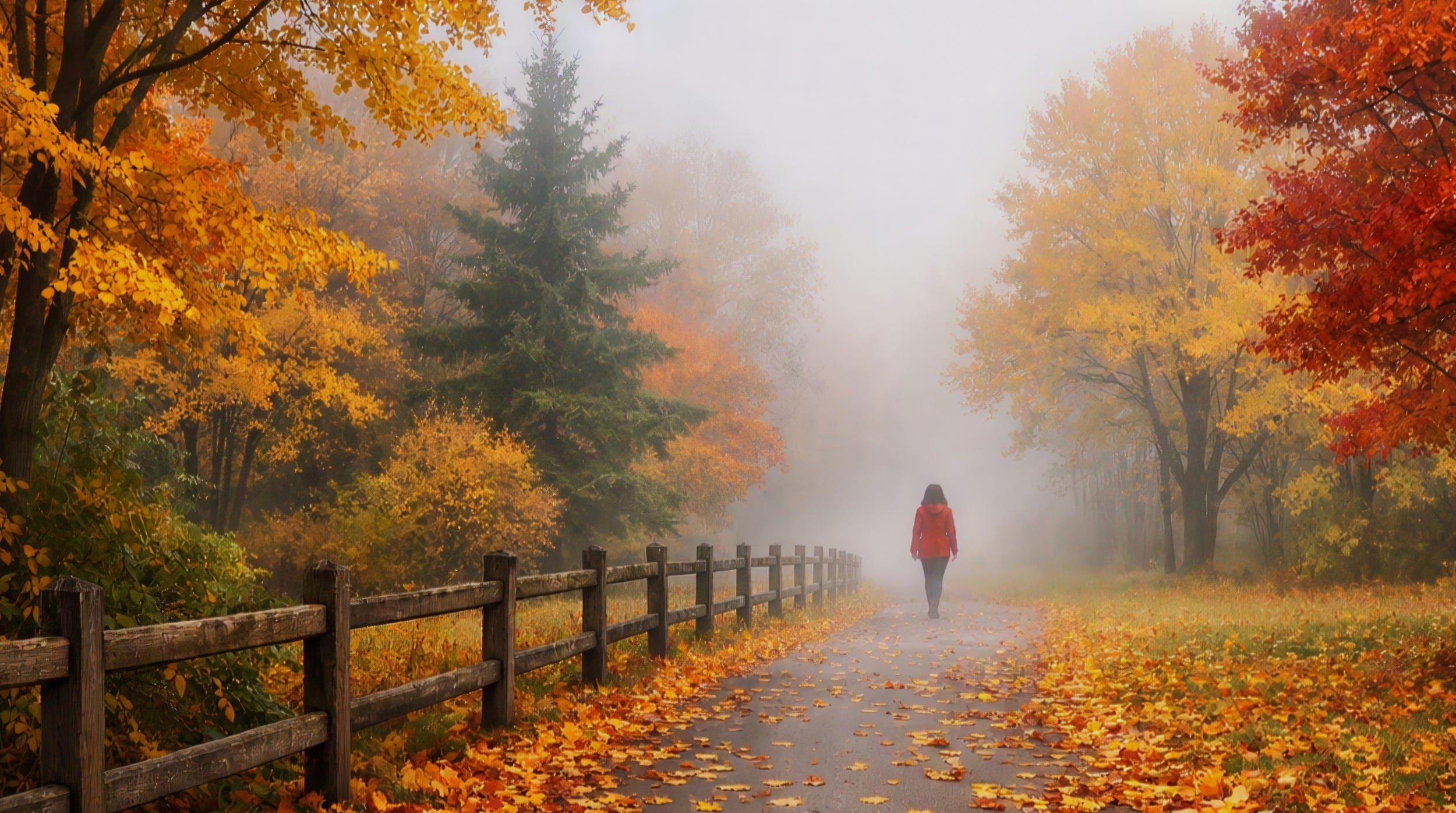
'Autmn's wonderful mood'
Autumn is one of the most rewarding seasons for photographers. Vibrant leaves, misty mornings, and golden light can transform an ordinary scene into something unforgettable. But as inspiring as fall colors are, they can also be tricky to capture. Dull skies, flat light, or oversaturated tones often leave images looking less impressive than what you saw in the field. Enjoy the many and colourful autumn submissions.
The winners with the most votes are:
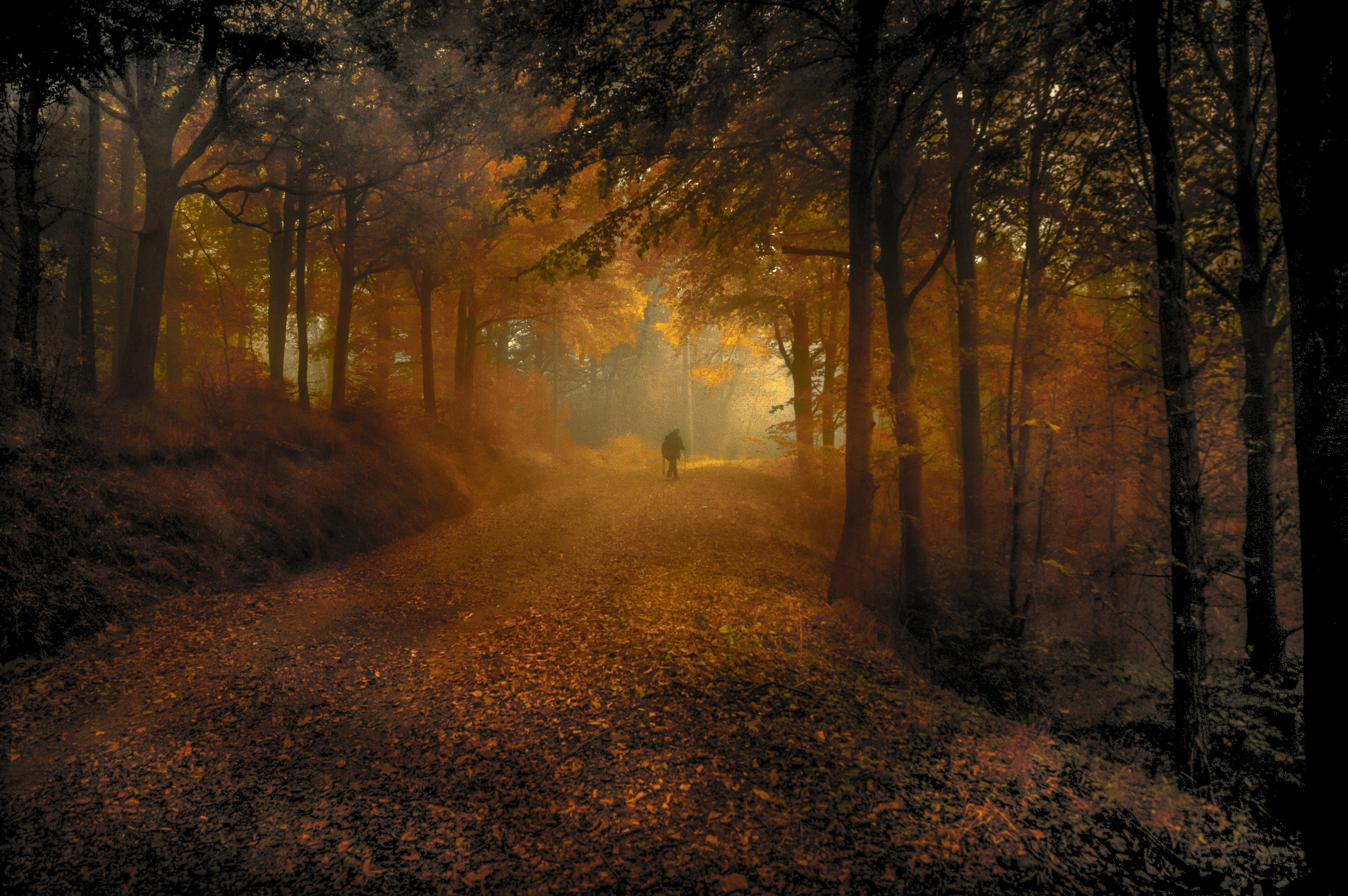
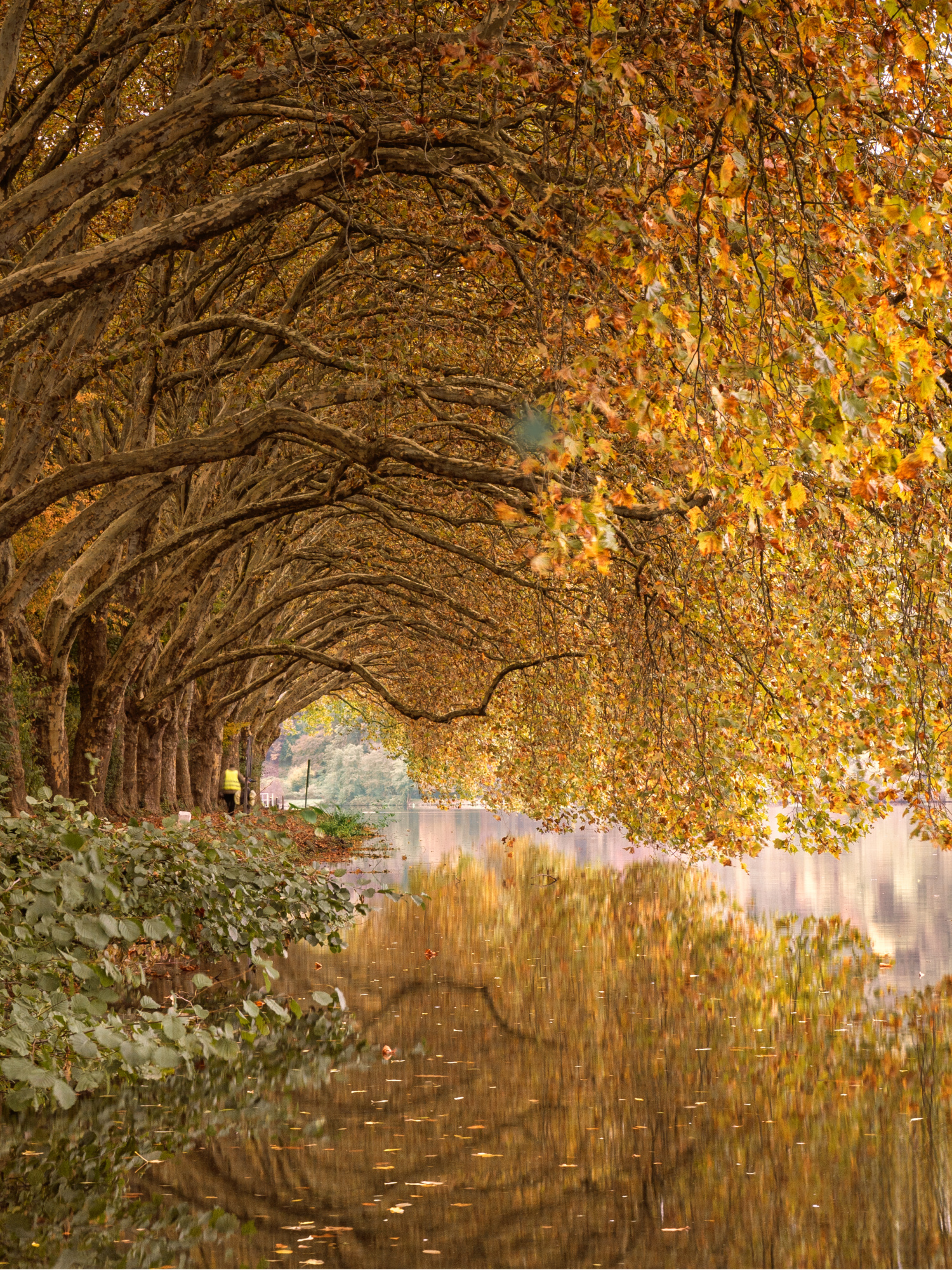
1st place : Olexandr Shpyek
2nd place: Antonyus Bunjamin (Abe)
3rd place : brigitte van krimpen
Congratulations to the winners and honourable mentions.
Thanks to all the participants in the contest 'Autumn's wonderful mood'
Current contest theme is 'Dusk Photography'
Dusk Shots are an excellent photography time because of the unique combination of natural light and deep shadows it produces, making beautiful pictures. This time occurs shortly after sunset, when soft, spread-out light illuminates all the colors and details. For successful dusk shots, one should know how light, composition, and technical settings interact with each other.
This contest will end on Sunday the 8th of November at midnight.
The sooner you upload your submission the more chance you have to gather the most votes.
If you haven't uploaded your photo yet, click here.
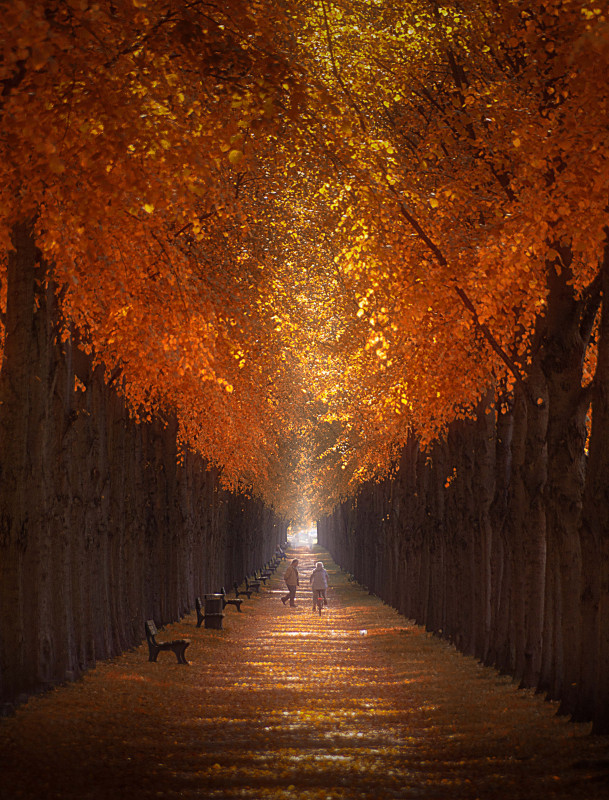
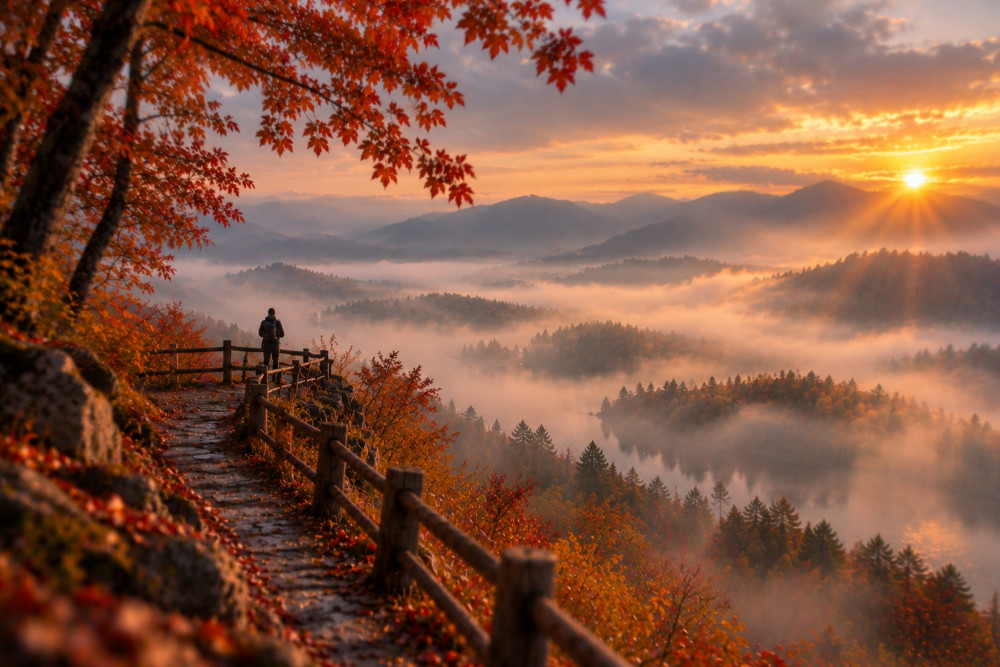 2nd place: by Antonyus Bunjamin (Abe)
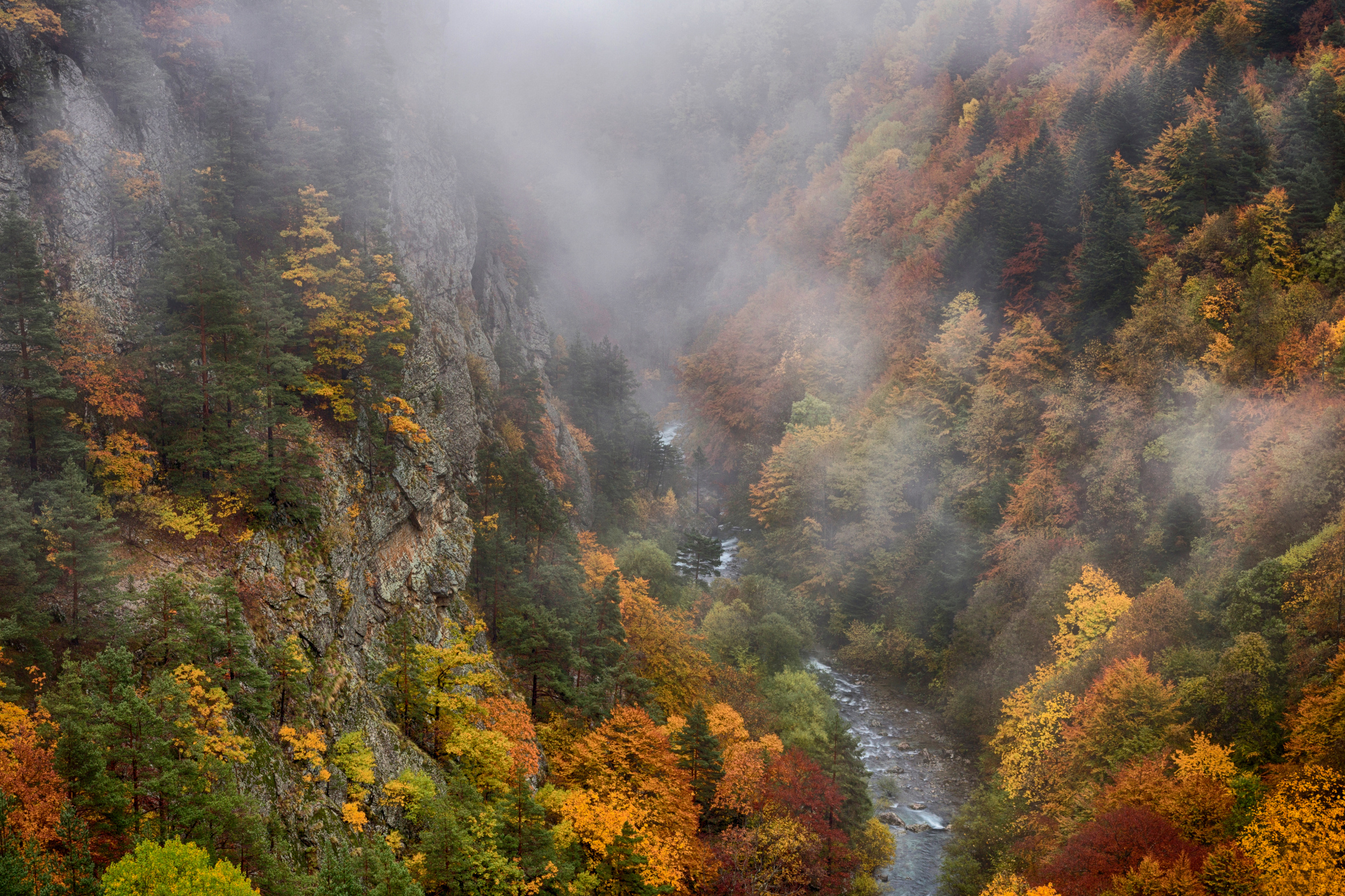
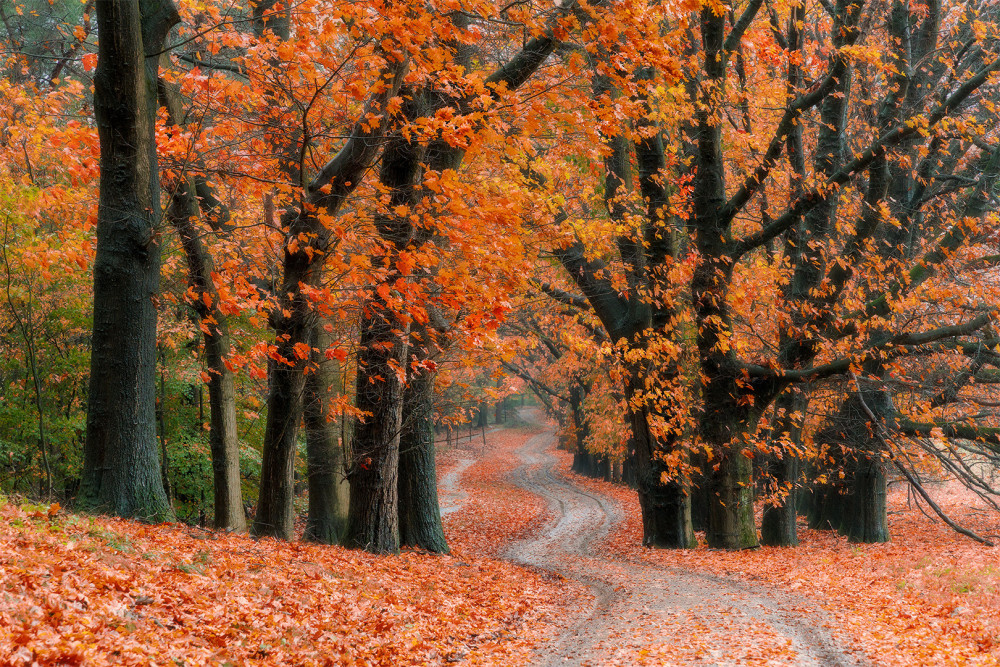 3rd place: by brigitte van krimpen

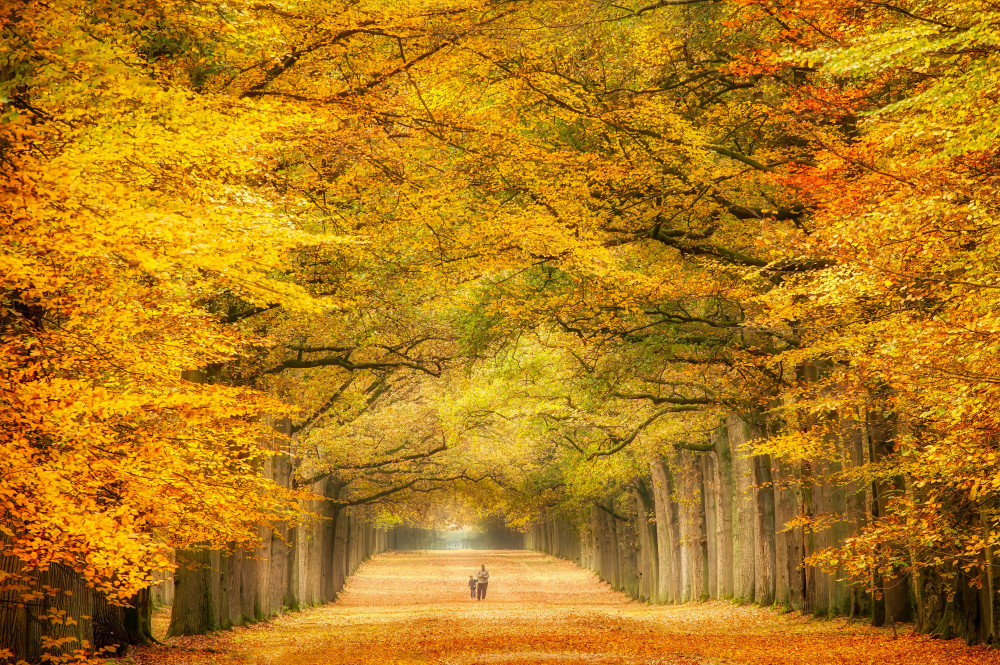
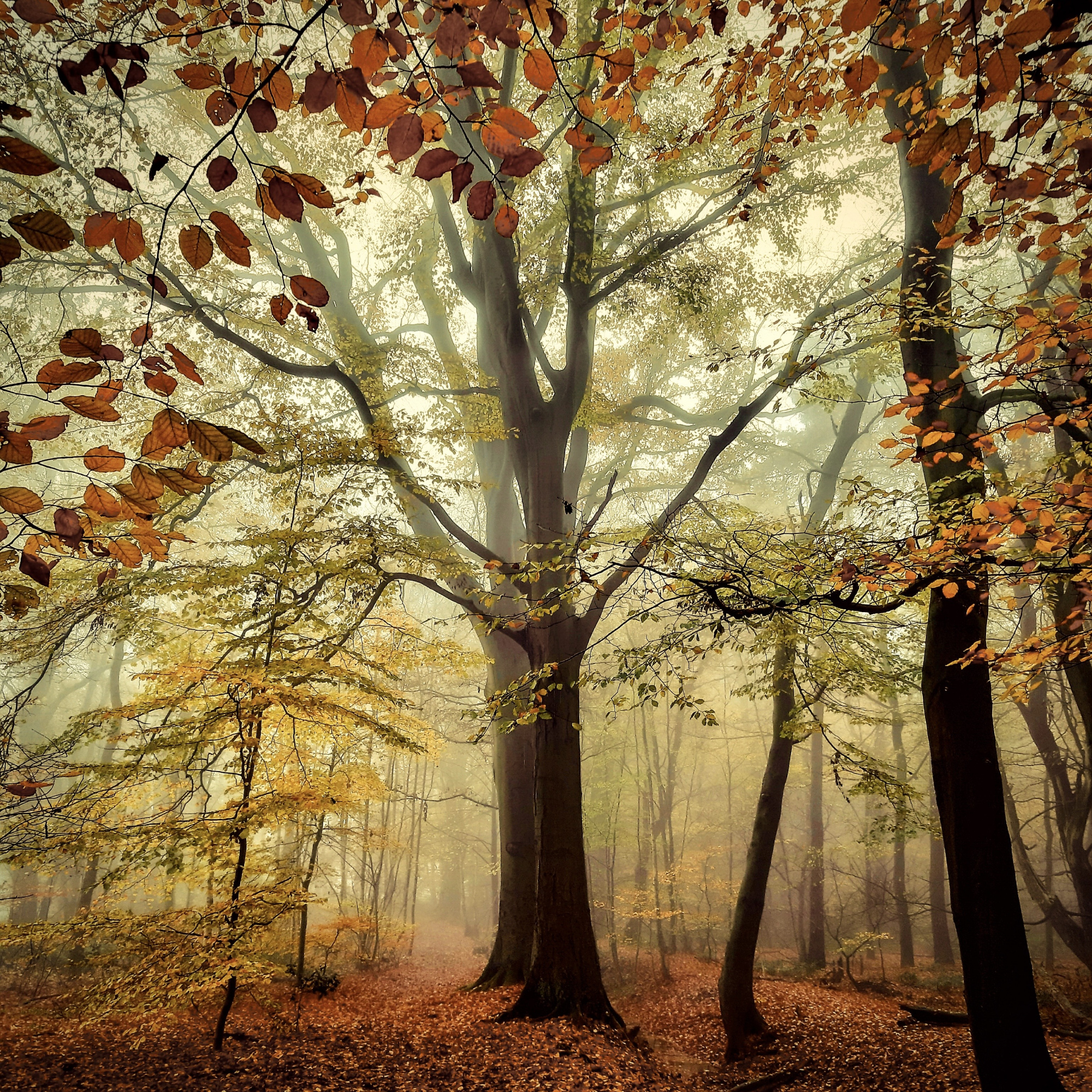 by Els Brouwer
|
| | Raul Moeller PRO I take it that the Brief for the contest had the precise daytime and hence light element, "Dusk", which ist that space of time when the sun has fully set but darkness has not yet crept in. It is also the time of the blue hour. Indeed a wonderful and very moody time to create photos. But as beautiful as many of these photos are, I see almost none or perhaps even none, that correspond to the brief. The second place photo is of a sunset, just to give an example. So, if I might ask, were there no photos of Autumn vibes taken during dusk? Or are briefs to be taken lightly, as a rough indication, but non binding? I know of course, that the tone of my questions is somewhat sarcastic, but I am becoming more and more disillusioned as to the credibility of Photography Sites to be coherent to the values they have postulated. I just left another Site I was considering, after participating in a contest for B&W Portraits of Adults, because the winning photo was a slightly de-saturated color photo. As a Newbie I look rather closely at these aspects. Sorry if I ask uncomfortable questions, but I work as a Process- and Changemanager, so perhaps that is a sort of occupational hazard ;-) |
| | Yaping Zhang PRO 美爆了!秋天的色彩,赏心悦目! |
 | Sokol Priftaj PRO Wonderful photos |
 | Eric Mattheyses PRO 👍 For everyone! |
 | Shanrui Ren PRO So beautiful! Congratulations to everyone! |
 | Els Brouwer PRO Congratulations to everyone! Very atmospheric pictures! |
| | Daniela Luca PRO so beautiful all of them!! congratulations! |
 | Susan PRO All are lovely ! |
 | Hmm...AI on 1 and 2? |
| | 1 and 2 look AI... |
 | MAIHONG DENG PRO Great done! I like it! |
| | Miro Susta CREW Beautiful photographs, splendid autumn colors. Congratulationsw to all. |
 | Than you! |
 | Congrats to all , beautiful work |